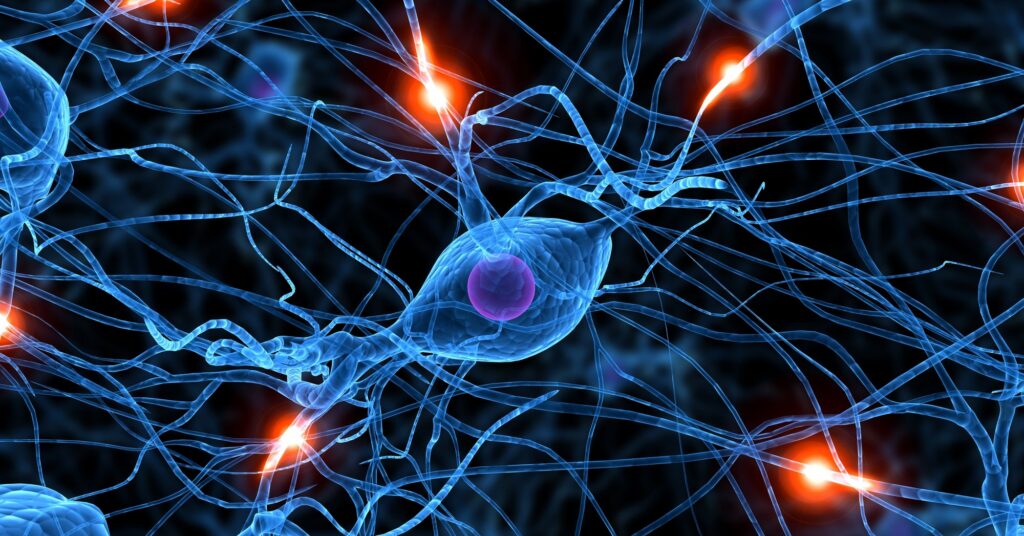

Early Parkinson’s Symptoms You Should Never Ignore: Gut Signs, Fatigue, Sleep Disorders — and What They Reveal About the Brain (2026) Introduction — Parkinson’s doesn’t start with tremors Parkinson’s disease is still widely defined by its most visible symptoms: tremors, stiffness, and slowed movement. But this definition reflects a late stage of the disease, not […]
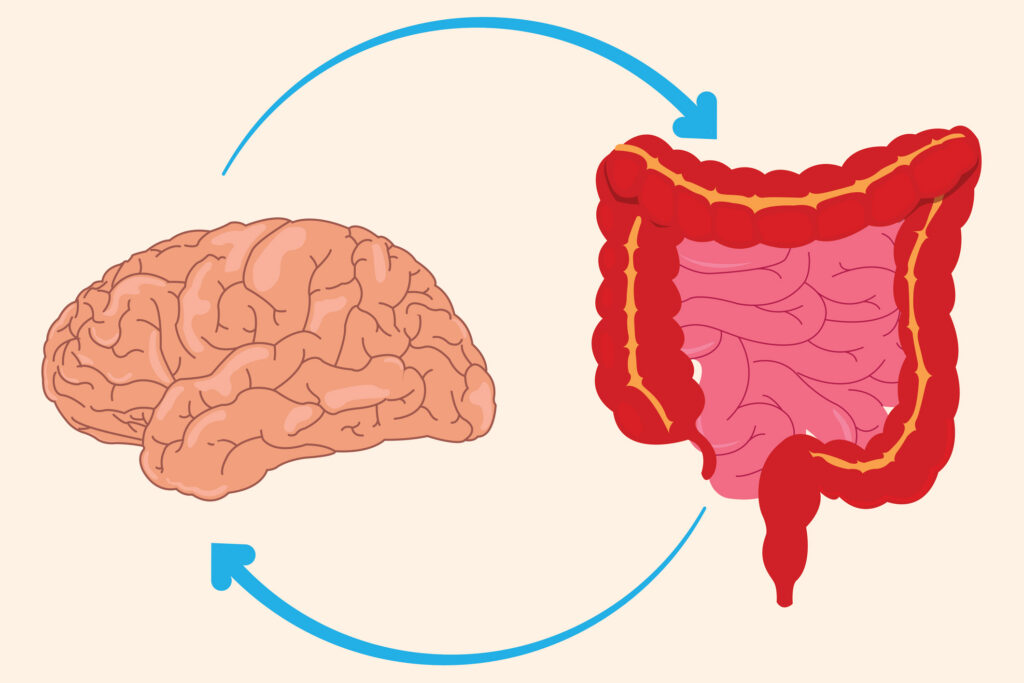
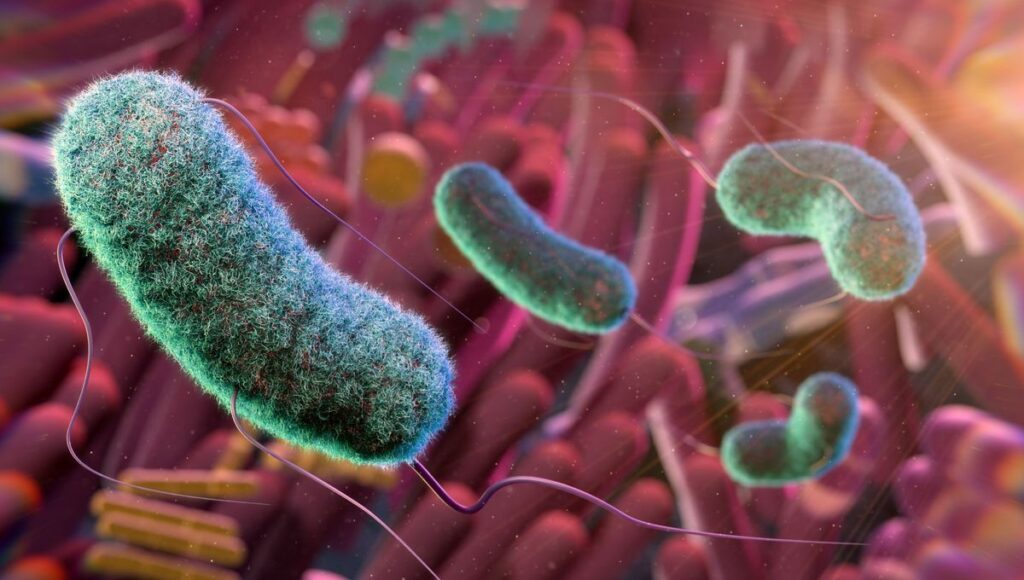
Introduction — Why Parkinson’s may start in your gut, not your brain Parkinson’s disease is traditionally described as a brain disorder driven by the progressive loss of dopamine-producing neurons. This is what leads to the hallmark symptoms people recognize—tremors, stiffness, slowed movement. But this definition is now outdated. A growing body of research suggests that […]
Parkinson’s Disease and Gut Health — A Systemic View of Neurodegeneration For decades, Parkinson’s disease was framed as a disorder of movement — a condition defined by tremor, rigidity, and the progressive loss of motor control. That description is not wrong. It is simply incomplete. What has emerged over the past fifteen years is a […]
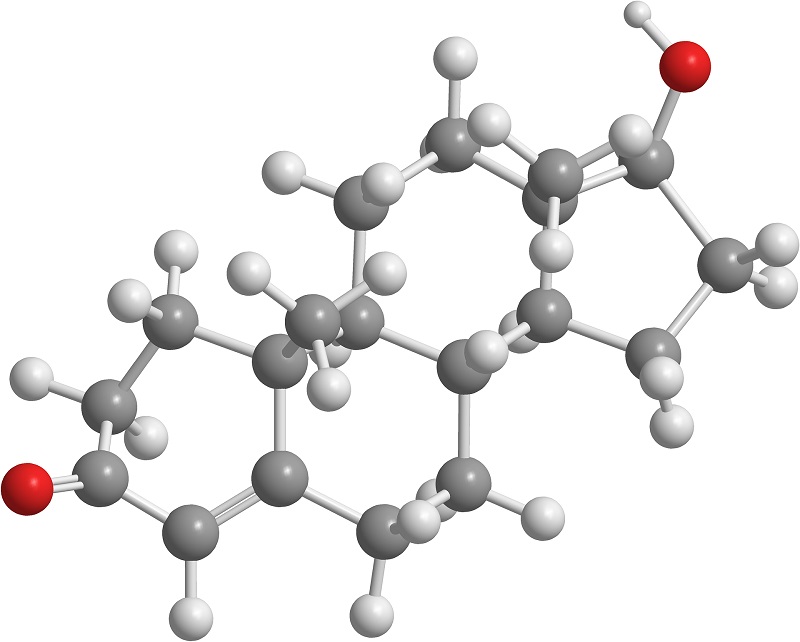
Introduction — Testosterone Is a Metabolic Hormone, Not Just Performance Testosterone is often reduced to muscle mass and sexual performance. In reality, it is a key systemic regulator, involved in: body composition energy metabolism cognitive function and motivation bone density inflammation control Over the past two decades, scientific literature has documented a steady decline in […]
Introduction — Hair Loss Is Not Just Genetic Male hair loss is often described as inevitable — something written in your DNA. This is an oversimplification. While genetics determine susceptibility, the progression of hair loss depends on multiple biological mechanisms: androgen signaling (DHT) follicular inflammation hair cycle disruption metabolic and nutritional environment Modern research confirms […]
Introduction — Belly Fat Is a Metabolic Signal, Not Just Stored Energy Belly fat is often the most resistant to weight loss. This is not random — and it is not about willpower. Unlike other fat stores, visceral fat is deeply involved in metabolic regulation. It is: hormonally driven pro-inflammatory tightly linked to insulin and […]
Introduction — Belly Fat Is Not Just Fat. It’s a Metabolic Signal. If you’ve ever tried to lose weight, you’ve likely noticed one thing: belly fat is the last to go. This is not a coincidence — and it’s not a matter of willpower. Abdominal fat, especially visceral fat, behaves differently from other fat stores. […]
Introduction — Weight Loss Is Not About Calories. It’s About Signals. Weight loss is still widely framed as a simple equation: eat less, move more. Yet modern metabolic research tells a very different story. Body weight is not just a function of calorie balance — it is the result of complex biological regulation, driven by: […]
A science-backed strategy to restore hormones, metabolism, and fat loss Losing weight during menopause often feels harder—sometimes impossible. You’re eating the same.You’re staying active.And yet, your body changes. Fat accumulates—especially around the abdomen.Energy levels decline.Cravings become more difficult to manage. This is not a discipline issue. It is a biological shift, driven by hormonal changes, […]
The science-backed approach to hormones, metabolism, and fat loss Weight gain during menopause is one of the most common—and misunderstood—metabolic challenges. You’re not eating more.You’re not moving less.And yet, your body changes. Fat accumulates—especially around the abdomen.Energy levels drop.Cravings become harder to control. This is not a willpower issue. It is a biological shift, driven […]
Why You Gain Weight During Menopause (Even If You’re Not Eating More)? And how to restore your metabolism through a hormonal, gut, and neuroendocrine approach Weight gain during menopause is often described as sudden, unexplained, and frustrating. Despite stable eating habits and consistent physical activity, body composition shifts. Fat mass increases—particularly in the abdominal region—while […]
Premenstrual syndrome (PMS) is often dismissed as “just hormones.”Mood swings, bloating, fatigue, cravings, anxiety — up to 80% of women experience these symptoms across their cycle [1]. This view is outdated. Current research shows that PMS is not simply caused by hormonal imbalance. It is driven by a dysregulated biological response to normal hormonal fluctuations, […]
Why your gut—not your ovaries—may be driving your hormonal symptoms For decades, hormone balance has been framed as a question of levels: Too much estrogen.Too little progesterone.Hormonal “imbalance.” This model is incomplete. Emerging research shows that hormone health is not just about how much estrogen your body produces — but how it is metabolized, recycled, […]
The Science-Backed Truth About One of the Most Powerful Foods for Metabolism, Inflammation, and Longevity Sardines are not trending. They don’t belong to the world of “superfood lattes,” functional powders, or biohacked nutrition stacks. They are simple. Whole. Unprocessed. And yet — from a scientific perspective — sardines may be one of the most biologically […]
The Key Mechanism Behind Weight Loss, Energy, and Metabolic Health Most metabolic issues share a common underlying mechanism:reduced insulin sensitivity. This alteration often develops silently, but its effects are widespread: — weight gain, especially abdominal— sugar cravings— post-meal fatigue— difficulty losing fat— unstable blood glucose Improving insulin sensitivity is one of the most effective ways […]
What Causes Sugar Cravings — and How to Regulate Them at the Metabolic Level Sugar cravings are often described as a lack of discipline. This interpretation is incomplete. In most cases, cravings reflect an underlying metabolic imbalance that can be identified and corrected. Understanding this changes the strategy: from control to regulation. Quick Answer How […]
What Actually Works for Fat Loss, Metabolism, and Long-Term Results The weight loss supplement industry is massive. Fat burners. Appetite suppressants. Detox formulas. Most promise fast results.Most fail. Why? Because weight loss is not just about calories.It’s about how your body processes energy — at the cellular level. Modern research shows that sustainable fat loss […]
The Science Behind AMPK, Weight Loss, and Cellular Energy If you struggle to burn fat, it’s not just about calories. It’s about whether your body is in fat-burning mode — or fat-storing mode. At the center of this switch is a key enzyme:AMPK (AMP-activated protein kinase). AMPK is often described as your body’s master metabolic […]
The Science-Backed Way to Reduce Visceral Fat and Improve Metabolism Belly fat is not just about calories. You can eat less, exercise more — and still struggle to lose fat around your abdomen. That’s because belly fat is largely regulated by your metabolism — and your gut microbiome. Recent research shows that specific gut bacteria […]
The Missing Key to Fat Loss, Stable Energy, and Long-Term Metabolic Health You’re eating well.You’re trying. And yet:— your energy crashes— you get hungry quickly— you store fat easily— you struggle to lose weight This is not a calorie problem. It’s a metabolic flexibility problem. Modern research shows that your ability to burn fat, regulate […]
What Actually Works for Stable Glucose, Fewer Cravings, and Better Metabolism Blood sugar control is no longer just about diabetes. It is now recognized as one of the central drivers of weight gain, energy levels, cravings, and long-term metabolic health. When blood sugar is unstable, the effects are immediate and cumulative: — energy crashes— intense […]
Blood sugar, insulin resistance, gut microbiome, and metabolic flexibility explained You’re eating the same.Sometimes even less. And yet, you’re gaining weight. This isn’t rare. It’s not a lack of discipline. And it’s not just about calories. Modern metabolic research is clear: weight gain is driven by how your body processes energy — not just how […]
A Cellular Nutrition® approach to fat loss, blood sugar control, and metabolic flexibility Weight loss has never been more misunderstood. For decades, the dominant narrative has been simple: eat less, move more. Yet modern research tells a very different story. Weight gain — especially stubborn, resistant weight gain — is not primarily a question of […]
What Science Really Says About Cellular Nutrition® For decades, nutrition has been approached in relatively simple terms: meeting basic needs, avoiding deficiencies, balancing macronutrients. While this framework remains useful, it is no longer sufficient to explain what truly drives energy, recovery, aging, chronic inflammation, or metabolic resilience. Modern research shows that health does not primarily […]
What your premenstrual symptoms really reveal about your hormonal balance Pain before your period is often considered normal. Bloating, irritability, fatigue, pelvic pain, mood swings — these symptoms are widely accepted as inevitable. This belief is deeply ingrained. Yet it is biologically inaccurate. The menstrual cycle is a tightly regulated physiological process driven by complex […]
What is the best probiotic for bloating? The best probiotic for bloating is a multi-strain formula combined with digestive support. Bloating is often caused by fermentation and poor digestion, so combining probiotics with digestive enzymes is significantly more effective than using probiotics alone. How do I rebuild my gut microbiome? To rebuild your gut microbiome, […]
What actually works to restore your gut microbiome (and why most supplements fail) Research on the gut microbiome has expanded dramatically over the past decade. Yet despite these scientific advances, most gut health supplements are still built on an overly simplistic model: one ingredient, one effect. This approach does not reflect biological reality. The gut […]
What the gut microbiome really reveals about your health, metabolism, and longevity The idea may sound provocative. It is, however, scientifically grounded. The human body is not composed solely of human cells. It hosts an extraordinarily dense ecosystem of microorganisms — bacteria, viruses, and fungi — that constantly interact with our biological functions. This ecosystem, […]
1. A legitimate question in a rapidly expanding market The anti-aging supplement market has grown exponentially over the past decade. Collagen powders, NAD+ boosters, resveratrol capsules, probiotics, and increasingly complex “longevity stacks” promise to slow aging, preserve cellular function, and maintain energy over time. Yet despite this widespread adoption, one question remains: do anti-aging supplements […]
1. A common mistake: treating longevity as a stack of ingredients Aging is a universal biological process. But how it unfolds is neither uniform nor entirely predetermined. Advances in cellular biology, epigenetics, and preventive medicine have fundamentally reshaped our understanding of aging: it is no longer seen as a passive decline, but as a regulated […]
Aging is inevitable. How you age is not. For decades, aging was seen as a fixed, genetically programmed process — something you could maybe slow down at the margins, but never truly influence. That view is now outdated. Advances in cellular biology, epigenetics, and preventive medicine have completely reframed the conversation: aging is not passive. […]
A science-backed approach to cellular longevity (2026) Aging is no longer viewed as a passive, inevitable decline. Over the past decade, research in cellular biology—particularly the landmark publications in Cell—has demonstrated that aging is driven by a set of interconnected biological processes known as the hallmarks of aging [1][2]. These mechanisms do not simply “happen” […]
Why most weight loss supplements fail — and what works instead Weight loss supplements are everywhere. Fat burners, appetite suppressants, metabolism boosters, detox formulas — the promises are endless. Faster results, effortless fat loss, better energy, reduced cravings. And yet, despite massive global use, results remain disappointing for most people. This gap between expectation and […]
When fatigue stops making sense You’re sleeping enough. Eating well. Taking supplements. Paying attention to your lifestyle. On paper, everything checks out. And yet, the fatigue is still there. Sometimes subtle, sometimes more pronounced. It doesn’t fully go away, even after rest. It becomes a constant background noise. This gap between effort and results is […]
And what science actually says about it You’re doing everything right. You’re eating better. You’ve added supplements to your routine. Maybe vitamins, probiotics, something for energy, something for digestion. You’re consistent. You’re disciplined. And yet… nothing really changes. You’re still tired. Your digestion still feels off. Your weight won’t budge. The results don’t match the […]
Why most supplements fail — and what the science says instead The supplement industry has never been bigger. From weight loss to gut health, energy, immunity, and longevity, millions of people take supplements every day. Yet one question keeps coming up: do supplements actually work? The answer is more nuanced than most marketing claims suggest. […]
Why Cellular Nutrition® reflects the true biology of human health For decades, supplements have been built on a simple premise: identify a problem, match it with a nutrient. A deficiency calls for a vitamin. Fatigue calls for a mineral. A symptom calls for a targeted compound. This model shaped modern nutrition. It also defined the […]
Nutrition isn’t additive. It’s orchestrated. For years, dietary supplements have been framed as simple solutions to simple problems: A deficiency → one nutrientFatigue → a vitaminA symptom → a single active ingredient This model has shaped an entire industry. Today, it’s outdated. Not because nutrients don’t matter — but because biology doesn’t operate in a […]
What Actually Works for Fat Loss, Metabolism, and Appetite Control Weight loss has never been more discussed — or more misunderstood. For years, the conversation has been dominated by a simple equation: eat less, move more. While this principle still matters, it no longer explains what we observe in real life. Many people gain weight […]
What Actually Works for Gut Health, Bloating, and Microbiome Balance Digestive issues are no longer occasional. They have become part of everyday life. Bloating after meals. Slow digestion. Abdominal discomfort. Irregular bowel movements. Food sensitivities that appear without clear explanation. These symptoms are often dismissed as minor. In reality, they reflect something much more important: […]
What Science Actually Says About Reducing Chronic Inflammation Naturally Chronic inflammation is no longer a niche topic. It is now recognized as a central driver of many modern health issues — from fatigue and brain fog to metabolic dysfunction, digestive disorders, skin conditions, and accelerated aging. Unlike acute inflammation, which is protective and necessary, chronic […]
Glycation, UV Exposure, Mitochondria… What’s Really Happening at the Cellular Level There’s a deeply ingrained belief that skin simply ages over time — a gradual, inevitable, almost linear process. And yet, in reality, some skin appears to age faster than others, regardless of chronological age. Loss of radiance, sagging, more pronounced wrinkles, uneven texture — […]
Blood Sugar, Cortisol, Digestion… What’s Really Happening There’s a moment in the day most people recognize instantly — yet rarely question. Around 3PM, your energy drops, your focus slips, and suddenly you’re craving sugar or coffee. Your body slows down, your mind follows. It’s often dismissed as a normal “afternoon slump,” blamed on poor sleep […]
It’s not time passing — it’s function changing It’s tempting to simplify things. As we get older, we “digest less well.” Almost inevitable. Almost obvious. And yet, that idea is misleading. It’s not age itself that alters digestion, but a series of biological functions that gradually shift over time—often silently. In other words, the issue […]
Why some “healthy” foods can cause digestive discomfort There’s a quiet paradox in the way the body responds to certain foods. Legumes—lentils, chickpeas, beans—are consistently associated with a healthy diet. High in fibre, rich in micronutrients, they tick every nutritional box. And yet, for many people, these are precisely the foods that trigger bloating, gas, […]
A Nutritional Classic That Actually Lives Up to the Science Some foods move through decades of trends without ever really being questioned. Bananas are one of them. They’re not flashy. Not controversial. Just consistently present — as a snack, post-workout, or part of a simple breakfast. Easy, familiar, almost automatic. And for once, that simplicity […]
Top Foods to Reduce Inflammation Naturally Chronic inflammation is now recognized as one of the key drivers of modern health issues. Unlike acute inflammation, which is protective, low-grade chronic inflammation develops silently over time. It is associated with: — weight gain— insulin resistance— cardiovascular disease— digestive issues— skin conditions— accelerated aging Among all lifestyle factors, […]
What You Eat Directly Shapes Your Level of Inflammation Inflammation is a normal biological process. It allows the body to defend itself, repair tissues, and respond to external stressors. In the short term, it is essential. The issue arises when inflammation becomes chronic, low-grade, and persistent. This condition—known as chronic low-grade inflammation—is now recognized as […]
Is Chocolate Good or Bad for Your Health? Chocolate occupies a uniquely ambiguous place in modern nutrition. At once associated with pleasure, indulgence, and excess, it is often viewed as something to limit—or even avoid—when it comes to weight management, metabolic health, or skin concerns. Yet this perception is overly simplistic. The scientific reality is […]
Does Bread Make You Gain Weight? Bread holds a unique place in nutritional discourse. Both a staple food and a symbol of carbohydrates, it is frequently singled out as a driver of weight gain—particularly in restrictive or low-carb dietary approaches. This perception is based on a simple logic: bread provides carbohydrates, carbohydrates raise blood glucose, […]
What Is Cortisol? Cortisol is a hormone produced by the adrenal glands in response to signals from the brain, through what is known as the hypothalamic–pituitary–adrenal (HPA) axis. Often referred to as the “stress hormone,” cortisol is, in reality, essential to the body’s overall balance. It plays a central role in: — energy regulation— blood […]
Epigenetics: The Science Redefining Longevity What if your genes weren’t a life sentence, but a conversation? For decades, genetics was seen as something pre-written — a fixed inheritance, assigned at birth, quietly determining our health, our energy, and the way we age. That view now feels outdated. Contemporary science points to a reality that is […]
Mitochondria: the new control center of aging Aging is often perceived as inevitable — a linear, pre-programmed decline. Biology tells a different story. Recent research published in Cell, Nature, and Nature Aging points to a central idea: aging is not simply programmed — it is regulated. And at the core of this regulation lies a […]
Detox: what your body actually does (and what most cleanses get wrong) Detox has become a reflex. Green juices, quick resets, promises of a rapid “cleanse”… the term is everywhere. And yet, behind its popularity, there is still a fundamental misunderstanding. The body doesn’t need to learn how to detox. It is already doing it […]
Low-grade inflammation: the silent fire accelerating aging Inflammation is often associated with visible signs: pain, redness, fever. Yet another form of inflammation operates far more quietly in the body. It isn’t something you necessarily feel or see, and yet it exerts a profound influence on your health. This so-called “low-grade inflammation” develops gradually and can […]
Fatigue: what if sleep isn’t the real issue? Fatigue is now one of the most common reasons for consultation. It often develops gradually, sometimes almost imperceptibly, and persists despite what seems like adequate sleep. Getting more sleep is not always enough to restore energy. This reflects a fundamental point that is still too often overlooked: […]
Which Oils Should You Use Daily? A Simple, Science-Backed Guide For decades, dietary fats were judged mainly through the lens of calories and cholesterol [1]. Today, research paints a far more nuanced picture: lipids are not just fuel—they are structural components of cell membranes, key regulators of inflammation, metabolic sensitivity, and the quality of signals […]
Addressing cellular ageing at its root. Longevity is not simply about living longer. It is about preserving energy, cognitive function, metabolic balance, and quality of life over time. Major advances in ageing biology have profoundly reshaped our understanding of these mechanisms. The landmark papers published in Cell in particular showed that ageing is driven by […]
Coffee is one of the most widely consumed beverages in the world. For some, it is an essential morning ritual. For others, it is seen as a stimulant to be approached with caution. The scientific reality is more nuanced. Over the past fifteen years, a growing body of epidemiological and mechanistic research has significantly reshaped […]
Preliminary note The information presented in this article is provided for educational purposes, to support understanding of the biological mechanisms involved in micronutrition and Cellular Nutrition®. It does not constitute personalised medical advice, a diagnosis, or a prescription. Taking dietary supplements — especially on a daily basis or over a prolonged period — should always […]

A metabolic explanation for “unexplained” weight gain after 35–40 (and how to fix it). Chapter I — “I’m not eating more, yet I’m gaining weight”: what physiology actually explains So-called “unexplained” weight gain is now one of the most frequently reported metabolic paradoxes after 35–40, particularly in women. The pattern is strikingly consistent: the diet […]
Introduction Talking about “micronutrient-rich foods” has become standard in modern nutrition. Yet the concept is often vague, overly approximate—or hijacked by marketing narratives that blur “nutrient-rich”, “natural”, and “instant health benefits” into a single promise. Real physiology is less romantic and far more precise: a food isn’t defined by a halo effect, but by its […]
Understanding biological timelines to assess supplementation properly — from ordinary micronutrition to the Cellular Nutrition® approach of METHODE ESPINASSE. Introduction The question comes up every time, with patients as well as well-informed consumers: how long is a food supplement supposed to take to work? A few days? Two weeks? A month? Behind what looks like […]
Micronutrition: Understanding, choosing and using micronutrients in an informed way. Introduction Micronutrition now occupies a central place in contemporary health science. Long approached through the narrow lens of deficiency correction, it has progressively established itself as a functional discipline, at the crossroads of cellular biology, human physiology and the prevention of chronic imbalance. Vitamins, minerals, […]
Introduction — The Microbiota as a Fully-Fledged Metabolic and Immune Organ The gut microbiota can no longer be viewed as a mere digestive aid. Findings from microbiology, immunology and metabolic physiology now describe it as a true functional organ, composed of thousands of bacterial, viral and fungal species, capable of producing bioactive metabolites, engaging in […]
Introduction — Micronutrition: Restoring the Biological Conditions for Human Function Contemporary scientific evidence converges on a finding that is now difficult to ignore: calorie intake alone is not sufficient to ensure optimal biological function. At a global level, large-scale nutritional modelling studies show that a substantial proportion of the population fails to meet adequate intakes […]
Introduction — Why nutrition becomes a central lever after menopause Menopause marks the permanent cessation of ovarian function and a sustained reduction in oestrogen exposure. This endocrine transition extends far beyond the appearance of transient symptoms such as hot flushes or sleep disturbances. It represents a profound biological shift affecting energy metabolism, body composition, bone […]
Chapter I — Fatigue Protocol: Restoring Cellular Energetic Coherence Guiding principle Chronic fatigue after the age of 40 is not the result of an energy shortage, but of a loss of biological efficiency. In the vast majority of clinical situations, the body still has sufficient energetic substrates available, yet the cell is no longer able […]
Understanding female exhaustion in light of contemporary biological science. Introduction — A form of fatigue that is neither age-related nor simply due to iron deficiency Chronic fatigue reported by many women after the age of 40 is one of the most common reasons for medical consultation, yet also one of the least well understood. It […]
Perimenopause, Premenopause and Menopause: Understanding the female hormonal transition in light of contemporary biological evidence. Introduction — A biological transition more complex than a simple hormone deficiency The menopausal transition is one of the most complex endocrine phases of a woman’s life. Long described as a single event corresponding to the cessation of menstruation, it […]
Perimenopause, Menopause and Micronutrition: Why nourishing the cell changes the hormonal trajectory. Introduction — Moving beyond a reductive view of menopause Perimenopause and menopause are still widely approached through a simplified lens, often centred on the single notion of a “hormone deficiency”. In this reading, symptoms—hot flushes, sleep disruption, irritability, weight gain, persistent fatigue, joint […]
Cellular Nutrition® and Immunity: Nourishing the cell to restore a coherent immune function. Introduction Immunity occupies a central place in the contemporary understanding of human health. It is simultaneously a defence system, a surveillance organ and a mechanism for maintaining homeostasis. Yet despite the accumulation of knowledge in immunology, immunity is still often approached in […]
Key micronutrients. Vitamin D, vitamin C, zinc, omega-3: understanding their real biological role. Introduction — From nutrient intake to cellular regulation For a long time, micronutrients were approached primarily through a quantitative lens: meeting recommended daily intakes, preventing deficiencies, correcting measurable shortfalls. This approach has delivered major public-health gains, yet it is no longer sufficient […]
Contemporary longevity research has profoundly reshaped our understanding of ageing. Long viewed as a passive and unavoidable accumulation of damage, biological ageing is now described as a dynamic process shaped by metabolic, inflammatory and environmental signals—some of which are directly influenced by nutrition [1–3]. Within this framework, ideas such as nutrition-based “anti-ageing”, cellular ageing, or […]
Disclaimer This article is intended for educational and informational purposes only. Hot flushes are most commonly associated with peri-menopause and menopause, but they may also result from other medical or functional causes, including thyroid disorders, medication side effects, infections, autonomic dysregulation, anxiety disorders, hypoglycaemia, or inflammatory conditions, among others. When hot flushes are severe, unusual, […]
Introduction — When sleep becomes unstable for no apparent reason Sleep disorders are among the most frequent reasons for consultation in women during perimenopause and menopause. Difficulty falling asleep, repeated night-time awakenings, night sweats, sleep fragmentation, and the feeling of non-restorative sleep despite sufficient time in bed affect a majority of women during this hormonal […]
Understanding menopause at the level of the cell to live it better Menopause remains one of the most poorly understood biological transitions in the female body. It is still widely associated with negative representations: loss of energy, inevitable weight gain, mood disturbances, accelerated ageing, and even cognitive decline. These narratives, often simplistic and reductive, are […]
Introduction — The Gut Microbiota as a Biological Interface of Ageing Biological ageing cannot be reduced to the passive accumulation of molecular damage. It reflects a gradual loss of functional coherence across biological systems, characterised by chronic low-grade inflammation, declining metabolic resilience, impaired mitochondrial function and dysregulated immunity. Within this framework, contemporary research increasingly converges […]
Opening remarks & caution — Intermittent fasting and fasting are not the same, and neither should be trivialised Intermittent fasting is not the same as fasting. In most cases, the former refers to structuring eating occasions (a shorter eating window, longer breaks between intakes), whereas the latter involves prolonged energy deprivation and can expose the […]
Introduction — inflammation is not the problem; chronicity is Inflammation is a fundamental protective mechanism. It is an adaptive biological response that enables repair, neutralisation of infectious agents, containment of aggression, and restoration of internal balance. Without acute inflammation, there would be no effective wound healing, no coherent immune defence, and no true capacity for […]
Introduction — From “caloric fats” to biologically structuring signals for the cell For much of the 20th century, dietary fats were mainly viewed through an energy and cardiovascular lens. In that framework, fats were treated primarily as concentrated calorie sources and as major determinants of blood cholesterol—especially LDL cholesterol. This perspective strongly shaped Western nutrition […]
Introduction — From the Digestive Microbiota to an Informational Microbiota For a long time, the gut microbiota was approached almost exclusively through a digestive lens. It was primarily viewed as a collection of microorganisms involved in the breakdown of dietary fibres, the synthesis of certain vitamins, and protection against pathogenic organisms. While this perspective was […]
Introduction — Canned fish: an underestimated food Canned fish occupies a paradoxical place in modern diets. It is often viewed as a fallback option, when in fact it is among the most nutritionally dense, accessible, shelf-stable foods and one of the easiest to integrate into everyday eating. Canned sardines, mackerel and tuna share a common […]
“5 a day”: a simple recommendation, built on robust biological logic (and major evidence) Introduction — This is not a nutrition slogan; it is a public-health threshold “5 fruit and vegetables a day” is often perceived as a generic message. In reality, it is a quantitative benchmark grounded in a straightforward epidemiological observation: as fruit […]
Understanding, characterising and restoring global biological energy. Introduction — Fatigue is not a lack of willpower, it is a biological signal Fatigue has become one of the most widespread biological signals in modern societies. It affects all ages, professions, and levels of physical or intellectual activity. Yet it remains poorly understood, often reduced to a […]
Introduction — A simple food, but biologically exceptional Eggs occupy a unique place in the human diet: universal, accessible, nutrient-dense — and yet repeatedly challenged over the decades. They have been celebrated as a “superfood”, then questioned because of their cholesterol content, before being progressively reappraised as research learned to distinguish dietary cholesterol from blood […]
Introduction — Inflammation isn’t the problem. Chronicity is. Inflammation is an essential biological response for survival. It enables the body to react to an insult, repair tissues, contain infection, or heal a lesion. In its acute form, it is rapid, targeted, and then switches off once the threat has been controlled. So the issue is […]
Introduction For centuries, food processing had a straightforward purpose: to make foods safer, easier to digest and more stable (through cooking, fermentation, drying and preservation). This kind of processing alters food, but generally preserves an identifiable food matrix — fibres, structure, texture, and digestion kinetics. Modern industrial eating introduced a clear break: ultra-processed foods (UPFs) […]
Introduction — Inflammation isn’t a disease: it’s a biological language Inflammation is one of life’s most fundamental biological mechanisms. It is an essential adaptive response to injury, infection and tissue repair. Without acute inflammation, there is no wound healing, no effective immune defence, and ultimately no survival [1]. Over the past few decades, ageing biology […]
Introduction — Ageing isn’t an age; it’s a biological trajectory For decades, ageing was approached as a mechanical consequence of time: the mere accumulation of years leading to a progressive, inevitable decline in biological function. This chronological reading, inherited from descriptive twentieth-century medicine, profoundly shaped medical, nutritional and preventive frameworks. Contemporary advances in cellular biology, […]
Introduction — From corrective nutrition to the biology of information For much of the twentieth century, nutrition was approached through an essentially corrective lens. The goal was to prevent deficiencies, provide sufficient calories, and secure the vitamin and mineral intakes required for survival and the body’s minimal functioning. Historically, this approach was indispensable. It helped […]
Introduction — Cellular Nutrition: the true level at which life is regulated Cellular Nutrition is sometimes presented as a forward-looking or avant-garde approach. This perception is misleading. It suggests that Cellular Nutrition is a recent conceptual construct, whereas it is in fact the nutritional translation of a scientific shift that has already been firmly established […]
Why you’re gaining weight despite eating healthy? When the issue is no longer diet, but the cellular response. Introduction — “I eat well, yet I’m gaining weight” This is one of the most common complaints in clinical practice: “I eat healthily, I avoid excesses, I pay attention to food quality… and yet I’m gaining weight.” […]
Introduction — A necessary scientific clarification The word “detox” has become mainstream, almost unquestioned. It is generally used to suggest that the body becomes “loaded” with toxins and that we should periodically intervene to remove them through juice cleanses, restrictive programmes, or so-called “draining” supplements. The idea is appealing because it is simple. It is […]
Abstract Oxidative stress is often portrayed as a purely chemical aggression against the cell, to be neutralised by exogenous antioxidants. This simplified view, widely disseminated in nutritional and marketing narratives, does not withstand scrutiny in contemporary cell biology. This article examines the physiological role of reactive oxygen species (ROS), the regulatory nature of redox signalling, […]
By Dr. Espinasse Abstract Despite the widespread dissemination of nutritional guidelines, the prevalence of chronic fatigue, metabolic imbalance, low-grade inflammation and accelerated functional ageing continues to rise. This paradox highlights a structural limitation of intake-based nutritional models: nutrient availability does not guarantee bioavailability, nor effective cellular utilisation. This article reviews recent evidence from cell biology, […]

By Dr. Espinasse Introduction — Why ageing must be reconsidered at the cellular level When I read Lifespan: Why We Age – and Why We Don’t Have To by David A. Sinclair, I saw far more than a book about longevity. I recognised an ambitious and structured attempt to biologically redefine ageing, moving it away […]
Introduction — Longevity is not an age; it is biology Modern longevity is no longer simply about living longer. The scientific goal is now clear: preserving, for as long as possible, energy, mental clarity, muscle mass, immune resilience, and independence — in other words, optimising functional longevity. This perspective is now shared by leading academic […]

Introduction — Micronutrition: Between Simplistic Promises and Biological Complexity Micronutrition has established itself as a modern response to very concrete health concerns: persistent fatigue, stress, digestive disorders, weakened immunity, glycaemic imbalances, weight management difficulties, or hormonal discomfort. Its success is built on an intuitive and scientifically sound idea: micronutrients are essential to the functioning of […]
Introduction — Detox: modern myths, widespread misconceptions, and biological reality Detox is everywhere. Juice cleanses, detox programmes, short-term fasts, “miracle” supplements, promises of rapid purification. In the collective imagination, detoxification is presented as a necessary reset — a temporary intervention designed to “cleanse” a body assumed to be overloaded with toxins. This narrative is appealing […]
Introduction — The brain, long seen as an organ “apart” The brain consumes close to 20% of the body’s total energy, even though it represents only around 2% of body weight. This intense metabolic activity continuously generates cellular waste, metabolites, oxidised proteins, and inflammatory by-products that must be cleared with precision in order to preserve […]
The work of Yamanaka has demonstrated that a cell’s biological age is not fixed. Cellular Nutrition aims to preserve, stabilise, and optimise the biological signals that govern this cellular plasticity. About Shinya Yamanaka, Nobel Prize in Physiology or Medicine (2012) Shinya Yamanaka is a Japanese physician and researcher, and Professor at Kyoto University. In 2006, […]
Food supplements now play a central role in health, prevention, and wellness strategies. Fatigue, stress, immunity, digestion, sleep, skin, metabolism — for every concern, there is a wide range of solutions on the market, often presented as simple, natural, and effective. Yet both clinical practice and user experience point to a consistent reality: food supplements […]


Introduction — From corrective (micro)nutrition to informational nutrition For a long time, (micro)nutrition was approached essentially from a corrective perspective: addressing deficiencies, providing vitamins, supplementing identified shortfalls. This approach, historically necessary, made it possible to prevent major deficiency-related diseases. However, it now shows its limitations when faced with modern challenges: chronic fatigue, low-grade inflammation, metabolic […]
Key scientific foundations underpinning the Cellular Nutrition approach Cellular Nutrition is directly rooted in major advances in systems biology, integrative cellular biology and precision nutrition. Since the early 2000s, these disciplines have profoundly transformed our understanding of living systems, moving away from a reductionist view of biology towards a systemic and dynamic interpretation of biological […]