DIETARY SUPPLEMENTS
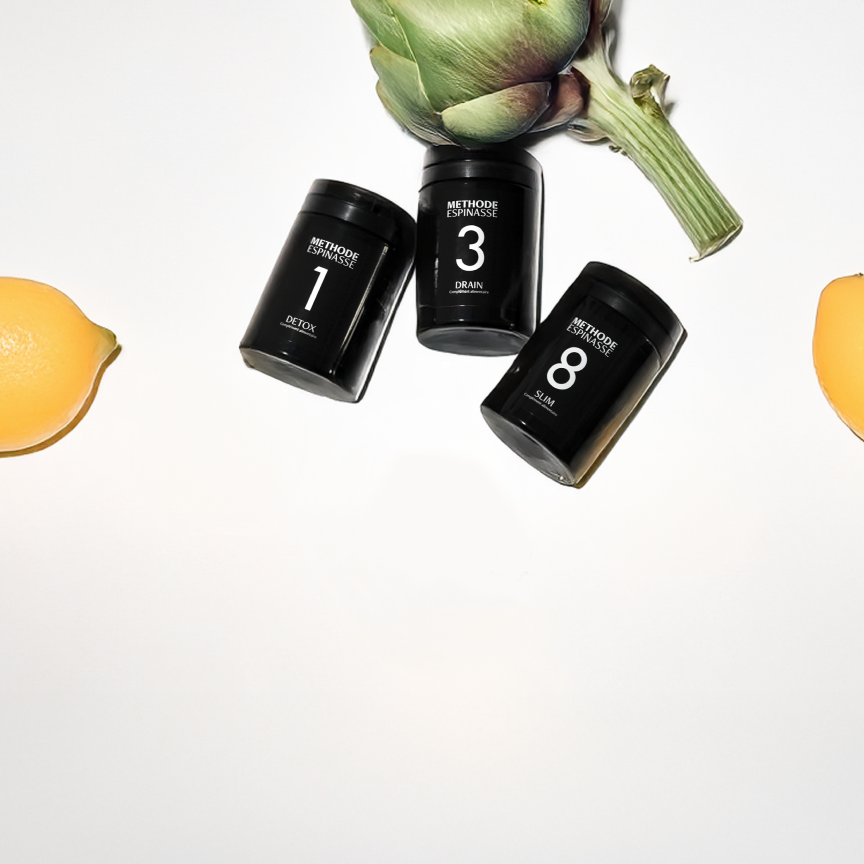
Découvrez 08 - Slim
Your ally for a slimmer figure and healthy weight

Journal

The anti-aging supplement market has grown exponentially over the past decade. Collagen powders, NAD+ boosters, resveratrol capsules, probiotics, and increasingly complex “longevity stacks” promise to slow aging, preserve cellular function, and maintain energy over time.
Yet despite this widespread adoption, one question remains: do anti-aging supplements actually work? The answer is not binary. It depends primarily on how aging itself is understood.
Aging is not a single process. It reflects a progressive dysregulation of multiple interconnected biological systems. This has been formalized in the Hallmarks of Aging, which includes mitochondrial dysfunction, genomic instability, chronic inflammation, microbiome alterations, and deregulated cellular signaling pathways [1].
Within this framework, the relevance of supplementation depends not on individual compounds, but on their ability to interact with these systems.
Most supplements are designed around a simplified model: one compound targeting one biological effect. This approach is fundamentally misaligned with the systemic nature of aging.
Research published in journals such as Cell and Nature consistently shows that aging mechanisms are deeply interconnected. Mitochondrial dysfunction, for example, increases oxidative stress, which in turn activates inflammatory pathways and disrupts cellular signaling [2].
Targeting a single pathway rarely produces sustained biological impact.
Many compounds demonstrate promising results in vitro or in animal models but show variable or limited effects in humans.
Resveratrol, for instance, has been extensively studied for its effects on sirtuins and longevity pathways. While it improves lifespan in certain animal models, human outcomes remain inconsistent, partly due to low bioavailability and complex metabolism [3].
The effectiveness of supplementation depends on multiple factors:
These variables influence absorption, metabolism, and cellular utilization.
Without addressing these underlying conditions, supplementation rarely produces significant results.
Mitochondria are central regulators of cellular energy, oxidative stress, and metabolic signaling. Their progressive dysfunction is a defining feature of aging, associated with reduced ATP production and increased oxidative damage [2].
Persistent inflammation contributes to tissue degradation and the development of age-related diseases. This process, often referred to as “inflammaging,” is now considered a core driver of biological aging [4].
The gut microbiome plays a critical role in immune regulation, metabolism, and barrier function. Age-related changes in microbiome composition are linked to increased inflammation and reduced physiological resilience [5].
These pathways regulate how cells respond to nutrients and stress. They influence energy allocation, repair mechanisms, and survival. Modulating these pathways is a central strategy in longevity research [6].
Aging also affects tissue structure. The degradation of collagen, reduction in hyaluronic acid, and increased oxidative stress alter skin integrity and connective tissue function [7].
Polyphenols modulate inflammation, oxidative stress, and longevity pathways such as sirtuins. They are among the most extensively studied compounds in aging research [3].
These compounds support cellular energy production and reduce mitochondrial oxidative stress, improving metabolic efficiency [2].
Probiotics help restore microbiome balance, strengthen the gut barrier, and reduce systemic inflammation, all of which are linked to aging processes [5].
Collagen is a major component of the extracellular matrix. Supplementation with hydrolyzed collagen peptides has been shown to improve skin elasticity, hydration, and dermal density [8].
Naturally present in connective tissues, hyaluronic acid plays a key role in hydration and structural integrity. Oral supplementation has been associated with improved skin hydration and wrinkle reduction [9].
Astaxanthin is a potent carotenoid antioxidant that helps reduce oxidative stress, improve skin elasticity, and protect cellular structures from damage [10].
Berberine activates AMPK, a key regulator of metabolic and energy balance. It has been associated with improved insulin sensitivity and metabolic flexibility [6].
Supplement effectiveness cannot be evaluated independently of diet.
Findings from the CALERIE Trial demonstrate that dietary interventions directly influence biological aging markers in humans [11].
Food acts as a primary biological signal. It regulates:
Diets rich in fiber, polyphenols, micronutrients, and high-quality protein support these systems. In contrast, ultra-processed diets accelerate their dysregulation.
Within this context, supplements do not replace diet—they amplify its effects when the biological environment is favorable.
Anti-aging supplements can be effective. However, their impact depends entirely on how they are used.
Approaches based on isolated compounds are inherently limited. In contrast, strategies targeting core biological systems—mitochondria, inflammation, microbiome, cellular signaling, and extracellular structure—offer a more coherent and scientifically grounded approach.
Aging is not something that can be “fixed” with a single molecule. It is a biological process that can be influenced through a coordinated, multi-system strategy.
[1] López-Otín C. et al. The Hallmarks of Aging. Cell, 2013; updated 2023.
https://www.cell.com/fulltext/S0092-8674(13)00645-4
[2] Picard M. et al. Mitochondrial dysfunction and aging. Molecular Cell, 2020.
https://www.cell.com/molecular-cell/fulltext/S1097-2765(20)30333-3
[3] Baur JA et al. Resveratrol improves health and survival in mice. Nature, 2006.
https://www.nature.com/articles/nature05354
[4] Franceschi C. et al. Inflammaging and age-related disease. Nature Reviews Immunology, 2018.
https://www.nature.com/articles/s41577-018-0064-2
[5] O’Toole PW, Jeffery IB. Gut microbiota and aging. Science, 2015.
https://science.sciencemag.org/content/350/6265/1214
[6] Herzig S., Shaw RJ. AMPK and metabolic control. Nature Reviews Molecular Cell Biology, 2018.
https://www.nature.com/articles/nrm.2017.95
[7] Quan T. et al. Matrix degradation in aging skin. Journal of Investigative Dermatology, 2009.
https://www.jidonline.org/article/S0022-202X(15)34436-8/fulltext
[8] Proksch E. et al. Oral collagen peptide supplementation. Skin Pharmacology and Physiology, 2014.
https://www.karger.com/Article/FullText/355523
[9] Kawada C. et al. Ingested hyaluronan moisturizes skin. Nutrition Journal, 2014.
https://nutritionj.biomedcentral.com/articles/10.1186/1475-2891-13-70
[10] Tominaga K. et al. Astaxanthin improves skin condition. Carotenoid Science, 2012.
https://www.jstage.jst.go.jp/article/jcs/16/0/16_21/_article
[11] Kraus WE et al. CALERIE Trial – caloric restriction in humans. Nature Aging, 2022.
https://www.nature.com/articles/s43587-022-00178-7