DIETARY SUPPLEMENTS
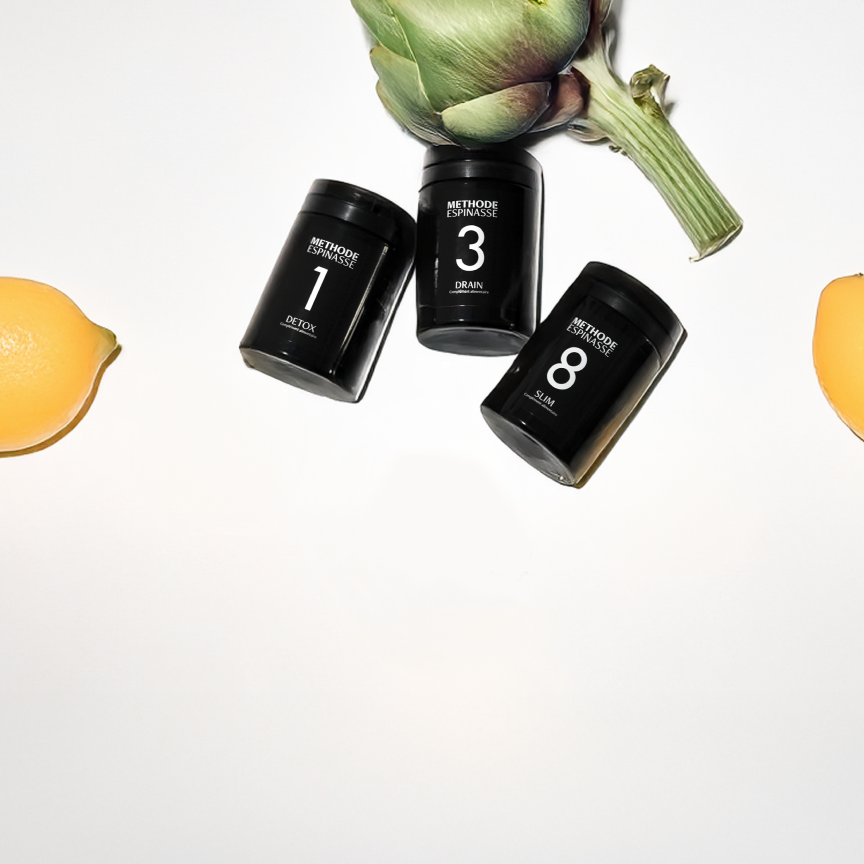
Découvrez 08 - Slim
Your ally for a slimmer figure and healthy weight

Journal

Chronic inflammation is no longer a niche topic. It is now recognized as a central driver of many modern health issues — from fatigue and brain fog to metabolic dysfunction, digestive disorders, skin conditions, and accelerated aging.
Unlike acute inflammation, which is protective and necessary, chronic low-grade inflammation operates silently. It does not cause obvious symptoms at first, but it progressively disrupts key biological systems.
Recent research published in Cell identifies inflammation as a core hallmark of aging, interacting with mitochondrial dysfunction, oxidative stress, and immune dysregulation [1]. Similarly, Nature Medicine highlights its role in the development of cardiovascular, metabolic, and neurodegenerative diseases [2].
This raises a critical question: what are the best anti-inflammatory supplements — and do they actually work?
Before looking at supplements, it is essential to understand one thing: inflammation is not a single problem. It is a system-wide imbalance.
Chronic inflammation is driven by multiple factors:
According to Harvard Health, diet and lifestyle remain the primary drivers of inflammation, with strong evidence supporting anti-inflammatory dietary patterns such as the Mediterranean diet [3].
In other words: no supplement can compensate for a pro-inflammatory lifestyle.
However, certain compounds — when used strategically — can support the body’s ability to regulate inflammation.
Among hundreds of marketed ingredients, only a few are consistently supported by clinical research.
Omega-3s are widely considered the gold standard in anti-inflammatory supplementation.
Multiple meta-analyses show that EPA and DHA can significantly reduce key inflammatory biomarkers, including:
Mechanistically, omega-3s:
This is not about “blocking inflammation” — it is about supporting its natural resolution.
Plant-derived polyphenols, particularly curcumin, have been extensively studied for their anti-inflammatory and antioxidant effects.
They act by modulating key pathways such as NF-κB, a central regulator of inflammatory signaling [5].
Curcumin has shown potential to:
However, effectiveness depends heavily on formulation and bioavailability.
The gut microbiome plays a central role in inflammation regulation.
Disruptions in gut integrity can lead to increased intestinal permeability, allowing inflammatory compounds to enter the bloodstream — a phenomenon often referred to as metabolic endotoxemia.
Clinical studies suggest that certain probiotic strains can:
This makes gut-focused supplementation one of the most strategic approaches to long-term inflammation control.
Most people are looking for a single “best supplement for inflammation.”
Science shows that this approach is fundamentally flawed.
Inflammation is not driven by one pathway — and cannot be regulated by one compound.
The most effective strategies are multi-targeted, addressing:
This is where most supplements fall short.
A growing body of research supports the idea that combining complementary mechanisms leads to more meaningful outcomes.
This systems-based approach is at the core of Cellular Nutrition®, developed by METHODE ESPINASSE.
Instead of focusing on a single ingredient, it targets the biological network underlying chronic inflammation.
Three key pillars emerge.
A high-quality omega-3 formulation remains the foundation of any anti-inflammatory strategy.
By delivering EPA and DHA in optimal forms, OIL supports:
It aligns directly with the strongest body of scientific evidence available.
Chronic inflammation often starts in the gut.
FLORA focuses on restoring microbial balance and strengthening the intestinal barrier, helping to:
This upstream approach is critical for long-term results.
FLAM targets inflammation at the signaling level.
Through a combination of polyphenols and antioxidant compounds, it helps:
It acts as a regulatory layer, especially when inflammation is already established.
Each of these supplements addresses a different dimension of inflammation:
Used together, they reflect how inflammation actually operates in the body — as an interconnected system.
This is not stacking supplements. It is aligning with biology.
There is no single “best anti-inflammatory supplement.”
But there is a scientifically grounded approach:
Chronic inflammation is not something to suppress.
It is something to regulate, rebalance, and resolve.
[1] López-Otín C. et al., Hallmarks of Aging: An Expanding Universe, Cell, 2023
https://www.cell.com/cell/fulltext/S0092-8674(22)01377-0
[2] Furman D. et al., Chronic inflammation in the etiology of disease across the life span, Nature Medicine, 2019
https://www.nature.com/articles/s41591-019-0675-0
[3] Harvard T.H. Chan School of Public Health — Anti-inflammatory diet
https://nutritionsource.hsph.harvard.edu/anti-inflammatory-diet/
[4] Li K. et al., Effects of omega-3 fatty acids on inflammatory markers: a systematic review and meta-analysis, 2022
https://pubmed.ncbi.nlm.nih.gov/35914448/
[5] Hewlings S.J., Kalman D.S., Curcumin: A Review of Its Effects on Human Health, Foods, 2017
https://www.ncbi.nlm.nih.gov/pmc/articles/PMC5664031/
[6] Milajerdi A. et al., The effects of probiotics on inflammatory biomarkers: a systematic review and meta-analysis, 2020
https://pubmed.ncbi.nlm.nih.gov/31928080/