DIETARY SUPPLEMENTS
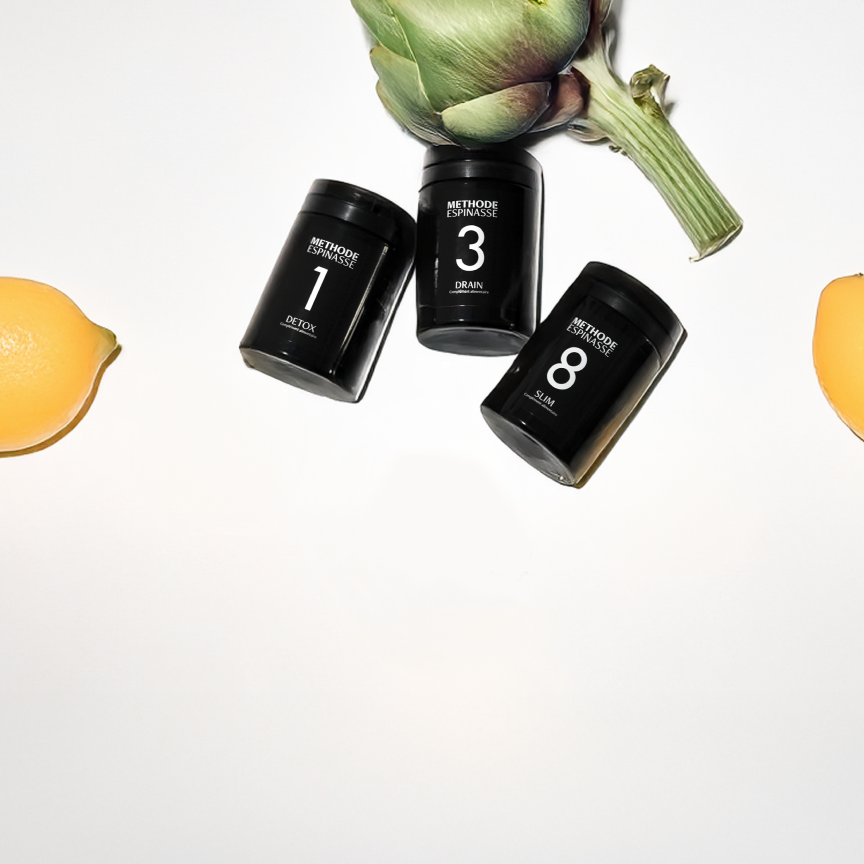
Découvrez 08 - Slim
Your ally for a slimmer figure and healthy weight

Journal
Oxidative stress is often presented in an oversimplified way:
Free radicals damage cells.
Antioxidants neutralize them.
But this view is incomplete.
Oxidative stress is not purely harmful.
It is a fundamental biological process, essential to life.
The problem is not its existence.
The problem is its dysregulation.
Oxidative stress refers to an imbalance between:
This imbalance is now recognized as one of the central mechanisms of biological aging, integrated into modern models of the Hallmarks of Aging [1].
And it never acts alone.
It operates within a dynamic network involving mitochondria, inflammation, the gut microbiome, and metabolism — as described in the global framework of the 7 pillars of longevity: https://methode-espinasse.com/en/journal/the-7-pillars-of-longevity-a-cellular-approach-to-optimize-health-energy-and-aging/
Reactive oxygen species are constantly produced by the body.
They mainly come from:
At low levels, they are essential.
They contribute to:
Their physiological role is now well established: ROS act as biological messengers capable of modulating gene expression and metabolic pathways [2].
But when ROS production becomes excessive, or when antioxidant defenses are overwhelmed, cellular damage occurs.
ROS can alter:
This accumulation of oxidative damage contributes directly to aging.
Mitochondria sit at the center of this process.
They are both:
During ATP production, a fraction of electrons escapes the electron transport chain, generating ROS.
Under normal conditions, these ROS are neutralized.
But with aging or biological imbalance:
This creates a vicious cycle:
This mechanism is now recognized as a key driver of aging and chronic disease [3].
Explore the mitochondrial connection here: https://methode-espinasse.com/en/journal/mitochondria-the-secret-to-your-energy-and-cellular-longevity-2026/
Oxidative stress and inflammation are deeply interconnected.
ROS activate major inflammatory pathways, including NF-κB, leading to the production of pro-inflammatory cytokines.
In turn, chronic inflammation stimulates ROS production by immune cells.
This creates an amplification loop:
oxidative stress
→ inflammatory activation
→ increased ROS production
→ worsening oxidative stress
This mechanism is central to inflammaging, characterized by chronic elevation of mediators such as IL-6, TNF-α, and CRP [4].
Read more here: https://methode-espinasse.com/en/journal/low-grade-inflammation-the-hidden-driver-behind-fatigue-weight-gain-and-aging-2026/
The gut microbiome plays a key role in modulating oxidative stress.
Certain bacteria produce:
Conversely, dysbiosis can promote:
This interaction contributes to chronic oxidative stress.
It also illustrates the central role of the microbiome in systemic regulation, as detailed here: https://methode-espinasse.com/en/journal/gut-microbiome-how-it-controls-your-health-energy-and-longevity-2026/
Aging is characterized by the progressive accumulation of oxidative damage.
Several factors contribute to this process:
These changes contribute to:
Oxidative stress is therefore involved in most age-related conditions, including:
Oxidative stress deeply disrupts metabolic function.
It impairs:
These effects promote:
This interaction helps explain the strong link between oxidative stress and metabolic disease [6].
Oxidative stress is often approached through a simplistic logic:
more free radicals → more antioxidants
This model is limited.
Scientific evidence shows that:
The issue is not simply “too many free radicals.”
It is a loss of global redox regulation.
Cellular Nutrition® is based on a fundamental principle:
Oxidative stress is a regulatory system.
It must be balanced — not suppressed.
This means acting on the full network of mechanisms involved:
In this context, nutrients act as biological signals capable of modulating:
The goal is to restore adaptive capacity.
One essential point is often ignored:
Oxidative stress can be beneficial at low levels.
This phenomenon is called hormesis: the body’s ability to adapt to moderate stress.
Examples include:
These stressors temporarily increase ROS, but over time they strengthen the body’s antioxidant defenses.
This shows that the key is not the absence of stress.
It is regulation.
Oxidative stress is not simply an excess of free radicals.
It is a central mechanism of biological regulation, involved in:
When dysregulated, it becomes an amplifier of dysfunction.
When regulated, it supports adaptation and resilience.
Understanding this nuance is essential.
This is precisely the approach behind Cellular Nutrition®:
acting at the cellular level to restore dynamic balance and support energy, function, and longevity.
Oxidative stress is an imbalance between the production of reactive oxygen species (ROS) and the body’s antioxidant defense systems. When this balance is disrupted, ROS can damage DNA, proteins, lipids, and mitochondria.
Oxidative stress is not always bad. Low levels of ROS are essential for cellular signaling, immune defense, and adaptation. The problem occurs when ROS production becomes excessive or poorly regulated.
Oxidative stress can be caused by aging, chronic inflammation, mitochondrial dysfunction, poor diet, pollution, smoking, alcohol, stress, lack of sleep, metabolic imbalance, and excessive UV exposure.
Oxidative stress contributes to aging by damaging mitochondrial DNA, cellular membranes, proteins, and repair systems. Over time, this damage reduces cellular function and accelerates biological decline.
Mitochondria are a major source of ROS because they produce energy through the electron transport chain. When mitochondria become dysfunctional, they generate more ROS, which further damages mitochondrial function.
Yes. Oxidative stress can impair mitochondrial function and reduce ATP production, leading to low energy, slower recovery, and persistent fatigue.
Oxidative stress damages collagen, elastin, cell membranes, and DNA. It contributes to wrinkles, loss of firmness, pigmentation irregularities, dullness, and premature skin aging.
Oxidative stress activates inflammatory pathways such as NF-κB. In return, chronic inflammation increases ROS production, creating a self-reinforcing cycle involved in inflammaging.
Foods rich in polyphenols, vitamins, minerals, and fiber can support redox balance. Examples include berries, leafy greens, colorful vegetables, olive oil, green tea, herbs, spices, nuts, and high-quality proteins.
Not always. Oxidative stress is not simply a lack of antioxidants. It reflects a broader loss of redox regulation involving mitochondria, inflammation, metabolism, and endogenous antioxidant systems.
Key nutrients involved in redox balance include vitamin C, vitamin E, selenium, zinc, magnesium, polyphenols, CoQ10, glutathione precursors, and B vitamins. Their effect depends on synergy, dosage, and biological context.
Redox balance refers to the dynamic equilibrium between oxidation and antioxidant defense. It allows the body to use ROS as signals without allowing them to cause excessive cellular damage.
Hormesis is the beneficial adaptation that occurs when the body is exposed to moderate stress. Exercise, caloric restriction, and cold exposure can temporarily increase ROS while strengthening long-term resilience.
Oxidative stress can impair insulin signaling, reduce glucose uptake, disrupt mitochondrial function, and promote insulin resistance, visceral fat accumulation, and metabolic fatigue.
Yes. The brain is highly sensitive to oxidative stress because it consumes large amounts of oxygen and contains lipid-rich tissues. Oxidative stress is linked to brain fog, cognitive decline, neuroinflammation, and neurodegenerative processes.
You can support oxidative stress regulation through a nutrient-dense diet, regular exercise, sleep optimization, stress management, microbiome support, reduced toxin exposure, and targeted micronutrition.
Oxidative stress is involved in mitochondrial dysfunction, inflammation, metabolic imbalance, DNA damage, and cellular senescence — all major mechanisms of aging. Regulating it is essential for long-term health and longevity.
Free radicals are reactive molecules, including certain ROS. Oxidative stress is the state that occurs when free radical production exceeds the body’s ability to regulate and neutralize them.
Yes, exercise temporarily increases ROS production. However, this controlled oxidative stress stimulates adaptation, strengthens antioxidant defenses, and improves mitochondrial efficiency over time.
Cellular Nutrition® is an approach designed to support redox balance by acting on mitochondrial function, inflammation, metabolism, microbiome health, and endogenous antioxidant systems.
[1] López-Otín C. et al.
Hallmarks of Aging: An Expanding Universe. Cell, 2023.
https://pubmed.ncbi.nlm.nih.gov/36599349/
https://doi.org/10.1016/j.cell.2023.01.007
[2] Sies H., Jones D.P.
Reactive oxygen species (ROS) as pleiotropic physiological signalling agents. Nature Reviews Molecular Cell Biology, 2020.
https://pubmed.ncbi.nlm.nih.gov/31980733/
https://doi.org/10.1038/s41580-019-0190-3
[3] Tenchov R. et al.
Mitochondrial dysfunction and aging. ACS Chemical Neuroscience, 2023.
https://pubmed.ncbi.nlm.nih.gov/37603749/
https://doi.org/10.1021/acschemneuro.3c00531
[4] Ferrucci L., Fabbri E.
Inflammaging and chronic inflammation in ageing. Nature Reviews Cardiology.
https://pubmed.ncbi.nlm.nih.gov/30065258/
https://doi.org/10.1038/s41569-018-0064-2
[5] Liguori I. et al.
Oxidative stress, aging, and diseases. Clinical Interventions in Aging.
https://pubmed.ncbi.nlm.nih.gov/26640395/
https://doi.org/10.2147/CIA.S77782
[6] Rains J.L., Jain S.K.
Oxidative stress, insulin signaling, and diabetes. Free Radical Biology and Medicine.
https://pubmed.ncbi.nlm.nih.gov/22186139/
https://doi.org/10.1016/j.freeradbiomed.2011.12.006