DIETARY SUPPLEMENTS
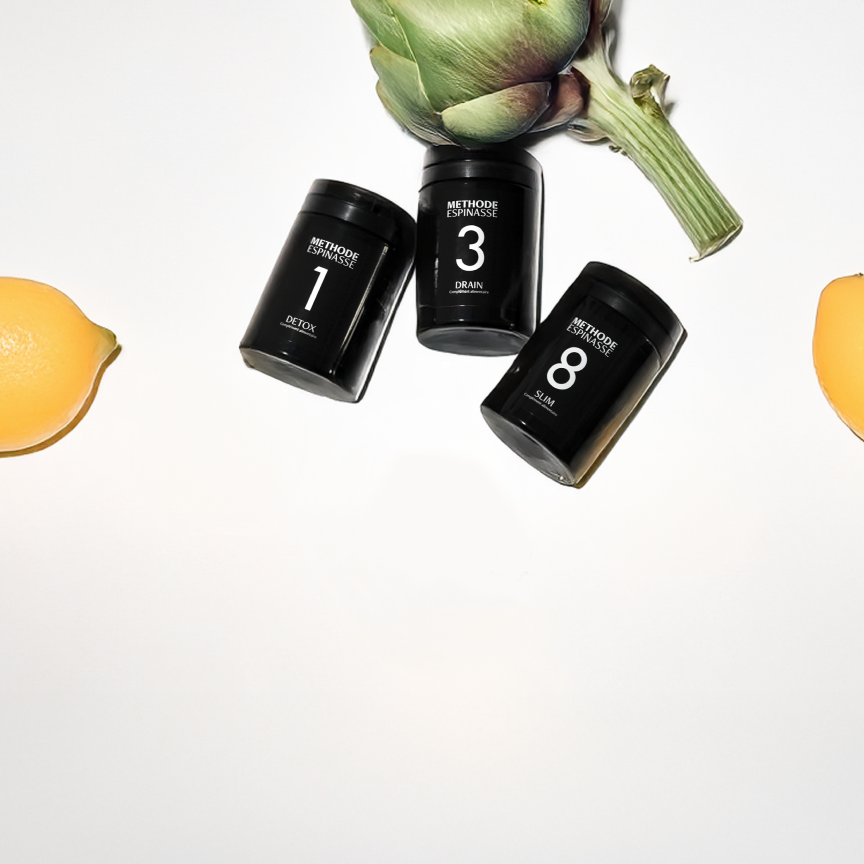
Découvrez 08 - Slim
Your ally for a slimmer figure and healthy weight

Journal

After the age of 40, many people begin to notice that their bodies no longer function quite the way they used to. Energy levels may become less consistent, recovery takes longer, weight management becomes more challenging, and sleep quality often declines. Some individuals also begin to experience more joint discomfort, digestive issues, or difficulties with concentration and mental clarity.
These changes are not simply the result of getting older. They reflect the gradual evolution of multiple biological processes that influence overall health and resilience.
Today, researchers understand that several physiological systems begin to change during midlife, including energy metabolism, muscle mass maintenance, hormonal balance, gut microbiome diversity, chronic low-grade inflammation, and recovery capacity [1,2].
This growing understanding explains why so many adults are interested in nutritional supplements after 40. The question is no longer whether aging occurs, but how to support the biological systems that influence how well we age.
Not necessarily.
Supplements should never replace a healthy diet, regular exercise, quality sleep, or stress management. These remain the foundations of long-term health.
However, several biological processes become progressively less efficient with age. Nutrient requirements may change, recovery mechanisms may slow down, and certain protective systems become more vulnerable [2].
The goal is therefore not to take more supplements. The goal is to provide targeted support to the systems that naturally become more challenged over time.
Aging is a highly complex process. Contrary to popular belief, it is not driven by a single mechanism.
Scientists now describe multiple biological hallmarks of aging, including:
These changes do not suddenly appear on your fortieth birthday. They develop gradually over many years.
Understanding these mechanisms is essential because they influence everything from energy and metabolism to immunity and cognitive function.
One of the primary reasons involves the mitochondria.
Mitochondria are the structures within cells responsible for producing energy. They convert oxygen and nutrients into ATP, the body’s primary energy currency [4].
As we age, mitochondrial efficiency tends to decline. This can contribute to:
For this reason, mitochondrial health is increasingly viewed as one of the central pillars of healthy aging and longevity.
Yes.
Researchers use the term sarcopenia to describe the age-related loss of muscle mass and strength. This process often begins during midlife and gradually accelerates over time [5].
Muscle tissue plays a much larger role than most people realize. It influences:
Preserving muscle mass is now considered one of the most effective strategies for promoting longevity and maintaining quality of life. Numerous studies have shown that low muscle mass is associated with a greater risk of chronic disease, frailty, loss of independence, and mortality [5].
The gut microbiome has emerged as one of the most important regulators of human health.
Research shows that it influences:
The diversity of the microbiome tends to change with age. Certain shifts in microbial composition have been associated with increased inflammation, poorer metabolic health, and reduced physiological resilience [6].
This is one reason why gut health has become a major focus of modern healthy aging strategies.
Unlike acute inflammation, which is visible and often painful, chronic low-grade inflammation is typically silent.
It can persist for years without causing obvious symptoms.
Today, scientists consider this process—sometimes called “inflammaging”—to be one of the major biological drivers of aging [7].
It has been associated with:
This discovery has fundamentally changed the way researchers approach prevention and healthy aging.
Modern supplementation strategies are no longer limited to correcting nutrient deficiencies.
Instead, they increasingly focus on supporting the biological systems most closely linked to long-term health:
In the next section, we will explore the supplements and nutrients that have attracted the greatest scientific interest in these areas and examine how they may help support health after 40.
There is no single supplement that can address every aspect of aging. Because the biological mechanisms involved in aging are interconnected, the most effective strategies tend to target multiple systems simultaneously.
Today, several nutrients and bioactive compounds stand out because of the quality of the scientific evidence supporting their role in energy production, cellular protection, metabolic health, inflammation management, and healthy aging.
Coenzyme Q10 (CoQ10) is one of the most extensively studied nutrients in the fields of aging and energy metabolism.
Naturally present within mitochondria, CoQ10 plays a critical role in ATP production, the process by which cells generate usable energy [8].
Unfortunately, CoQ10 levels tend to decline with age. This reduction has been associated with decreased mitochondrial efficiency and lower cellular energy production [8].
Researchers have investigated CoQ10 for its potential role in supporting:
Because mitochondrial function is so closely linked to healthy aging, CoQ10 remains one of the most frequently recommended nutrients after 40.
For many years, probiotics were viewed primarily as digestive supplements.
That perspective has changed dramatically.
Today, researchers recognize that the gut microbiome influences many of the biological systems associated with healthy aging, including:
Certain probiotic strains have demonstrated the ability to support microbial diversity and help maintain a healthier intestinal environment.
Because microbiome diversity often declines with age, probiotics have become an important area of interest in longevity research.
Omega-3 fatty acids are among the most thoroughly researched nutrients in human nutrition.
They contribute to:
Yet many Western populations consume insufficient amounts of omega-3-rich foods.
Researchers increasingly view optimal omega-3 status as a cornerstone of healthy aging and long-term metabolic health.
Resveratrol is a naturally occurring polyphenol found in certain plants.
It gained widespread attention because of its potential influence on biological pathways associated with aging and cellular resilience.
Researchers continue to investigate its role in:
Although questions remain regarding optimal dosing and long-term use, resveratrol remains one of the most studied compounds in longevity science.
Quercetin belongs to a family of compounds known as flavonoids.
It is naturally present in many fruits and vegetables and has attracted growing scientific interest because of its biological properties.
Research suggests that quercetin may influence:
Because chronic inflammation and oxidative damage are strongly associated with aging, quercetin continues to be studied as a potential contributor to healthy aging strategies.
Glutathione is often referred to as the body’s most important endogenous antioxidant.
Present in virtually every cell, it plays a critical role in defending against oxidative stress and supporting detoxification pathways [12].
Multiple studies suggest that glutathione levels tend to decline with age.
This reduction may contribute to some of the cellular changes associated with aging and reduced resilience.
For this reason, maintaining healthy glutathione status has become an important focus of preventive health strategies.
When people think about supplements, they often focus on vitamins, minerals, or herbal extracts.
However, protein may be one of the most important nutritional priorities after 40.
Preserving muscle mass is one of the strongest predictors of metabolic health, physical function, and longevity [5].
Adequate protein intake helps:
This is one reason why modern healthy-aging strategies place such a strong emphasis on protein consumption.
Vitamin D is involved in a remarkably wide range of physiological functions.
It contributes to:
Vitamin D insufficiency is extremely common worldwide, particularly among adults and older populations.
For many individuals, maintaining adequate vitamin D levels represents a foundational component of healthy aging.
Selenium is an essential trace mineral involved in several antioxidant defense systems.
It contributes to cellular protection and supports normal immune function [14].
Although it receives less attention than vitamin D or omega-3s, selenium remains an important nutrient in comprehensive healthy-aging strategies.
Not all supplements are created equal.
Their effectiveness depends on multiple factors, including:
This is one reason why modern approaches increasingly move away from isolated nutrients and toward formulations designed to support multiple biological systems simultaneously.
The future of supplementation is not about taking more products. It is about using better-designed formulations that target the mechanisms most closely linked to long-term health, resilience, and longevity.
One of the most common mistakes is accumulating supplements without a clear rationale.
Many people take multiple vitamins, minerals, and botanical extracts simultaneously without understanding how they interact or which biological systems they are actually targeting.
Yet research consistently shows that the mechanisms involved in aging are deeply interconnected.
Energy influences physical activity.
Physical activity influences muscle mass.
Muscle mass influences insulin sensitivity.
Insulin sensitivity influences inflammation.
The gut microbiome influences inflammation, immunity, metabolism, and cognitive function.
This is why modern healthy-aging strategies focus on supporting multiple biological systems simultaneously rather than chasing a single symptom.
After the age of 40, cellular protection becomes increasingly important.
AGE was developed according to the principles of Cellular Nutrition® to support several biological mechanisms associated with healthy aging.
Its formulation combines:
These ingredients were selected to support cellular resilience, mitochondrial function, microbiome balance, and biological pathways associated with longevity.
Declining energy is one of the most common concerns after 40.
OPTIMAL was formulated to support both physical and mental energy production.
Its formulation combines:
This approach is designed to support mitochondrial function, neurotransmitter balance, stress resilience, and overall vitality.
The gut microbiome is now recognized as one of the primary regulators of metabolic and immune health.
FLORA combines:
This formulation was designed to support microbiome balance, digestion, intestinal barrier integrity, and gut-brain communication.
After 40, maintaining a diverse and resilient microbiome becomes increasingly important for long-term health.
Chronic low-grade inflammation is now considered one of the major drivers of biological aging [7].
FLAM was developed to support mechanisms involved in regulating this silent inflammatory burden.
This approach aligns directly with modern preventive health strategies aimed at preserving cellular function over the long term.
Aging is also accompanied by gradual changes in immune function.
Researchers often use the term immunosenescence to describe some of these age-related alterations [15].
IMMUN was developed to support immune resilience through an approach that integrates microbiome health, micronutrition, and cellular balance.
The Cellular Nutrition® approach developed by Dr. Espinasse is built on a simple idea: health begins at the cellular level.
Rather than viewing fatigue, weight management, immunity, and aging as separate issues, Cellular Nutrition® focuses on the biological mechanisms they share.
These include:
This perspective allows for more coherent, personalized, and scientifically grounded strategies.
Many people only begin paying attention to their health once symptoms emerge.
However, the biological processes involved in aging often begin years before visible signs appear.
Muscle is one of the strongest predictors of healthspan and longevity [5].
Yet it remains one of the most overlooked aspects of preventive health.
The gut microbiome influences nearly every major pillar of health.
Overlooking it means overlooking one of the most important determinants of long-term resilience.
No supplement can compensate for poor nutrition, chronic sleep deprivation, or physical inactivity.
The most sustainable results always come from a comprehensive approach.
After 40, the goal is not to take more supplements.
The goal is to identify the biological systems that become increasingly vulnerable with age and provide targeted support where appropriate.
Current research suggests that mitochondrial energy production, gut microbiome health, chronic low-grade inflammation, muscle preservation, and metabolic resilience are among the most important determinants of healthy aging.
These mechanisms form the foundation of modern preventive health and longevity strategies.
When combined with a nutrient-dense diet, regular physical activity, quality sleep, and effective stress management, targeted supplementation can become a valuable tool for supporting long-term health after 40.
The most studied supplements typically target mitochondrial health, the gut microbiome, inflammation management, metabolic health, and muscle preservation.
Not necessarily. Individual needs depend on diet, lifestyle, health status, and personal goals.
Some of the most researched ingredients include Coenzyme Q10, Rhodiola, and nutrients involved in cellular energy production [8].
The gut microbiome influences immunity, metabolism, inflammation, energy production, and cognitive function [6].
Current research frequently focuses on resveratrol, quercetin, Coenzyme Q10, glutathione, and specific probiotic strains [10,11,12].
Resistance training, adequate protein intake, and good metabolic health are among the most effective strategies [5].
Lifestyle factors including physical activity, nutrition, sleep quality, stress management, and metabolic health can positively influence many mechanisms associated with aging [1,3].
Dr. Valérie Espinasse is a Doctor of Pharmacy, specialist in Predictive and Preventive Medicine, and expert in micronutrition.
For more than twenty years, she has helped patients optimize their health through an approach grounded in cellular biology, precision nutrition, functional medicine, and preventive healthcare.
Through her proprietary Cellular Nutrition® framework, Dr. Espinasse develops strategies designed to support the biological mechanisms involved in energy production, gut microbiome health, low-grade inflammation, metabolic resilience, and longevity.
Over the course of her career, she has supported more than 20,000 patients and conducted more than 15,000 advanced biological assessments.
[1] López-Otín C et al. The Hallmarks of Aging.
https://pubmed.ncbi.nlm.nih.gov/23746838/
[2] Ferrucci L et al. Measuring Biological Aging in Humans.
https://pubmed.ncbi.nlm.nih.gov/31808974/
[3] Kennedy BK et al. Geroscience: Linking Aging to Chronic Disease.
https://pubmed.ncbi.nlm.nih.gov/25926765/
[4] Sun N et al. The Mitochondrial Basis of Aging.
https://pubmed.ncbi.nlm.nih.gov/28106086/
[5] Cruz-Jentoft AJ et al. Sarcopenia: Revised European Consensus.
https://pubmed.ncbi.nlm.nih.gov/30312372/
[6] O’Toole PW, Jeffery IB. Gut Microbiota and Aging.
https://pubmed.ncbi.nlm.nih.gov/25483338/
[7] Franceschi C et al. Inflammaging and Age-Related Disease.
https://pubmed.ncbi.nlm.nih.gov/24833586/
[8] Hernández-Camacho JD et al. Coenzyme Q10 and Aging.
https://pubmed.ncbi.nlm.nih.gov/32721970/
[9] Calder PC. Omega-3 Fatty Acids and Inflammation.
https://pubmed.ncbi.nlm.nih.gov/29610056/
[10] Baur JA, Sinclair DA. Therapeutic Potential of Resveratrol.
https://pubmed.ncbi.nlm.nih.gov/17450198/
[11] Li Y et al. Quercetin, Inflammation and Healthy Aging.
https://pubmed.ncbi.nlm.nih.gov/29914181/
[12] Forman HJ et al. Glutathione: Overview of Its Protective Roles.
https://pubmed.ncbi.nlm.nih.gov/20511333/
[13] Bouillon R et al. Vitamin D and Human Health.
https://pubmed.ncbi.nlm.nih.gov/25471760/
[14] Rayman MP. Selenium and Human Health.
https://pubmed.ncbi.nlm.nih.gov/19121357/
[15] Fulop T et al. Immunosenescence and Inflammaging.
https://pubmed.ncbi.nlm.nih.gov/29270016/