DIETARY SUPPLEMENTS
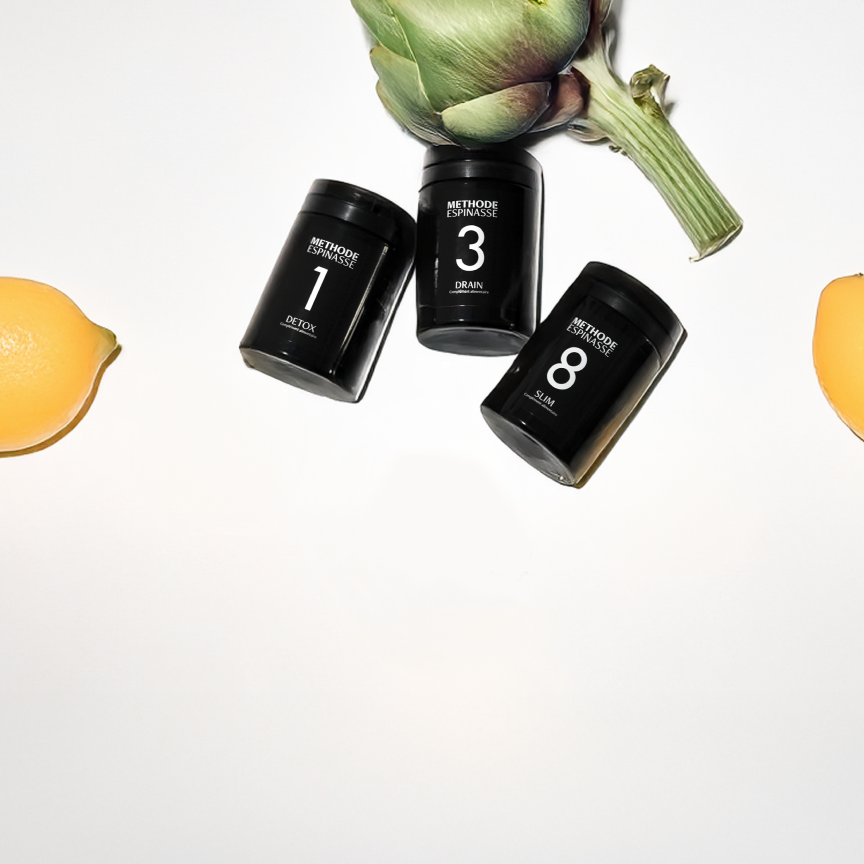
Découvrez 08 - Slim
Your ally for a slimmer figure and healthy weight

Journal
Belly fat is not just about calories.
You can eat less, exercise more — and still struggle to lose fat around your abdomen.
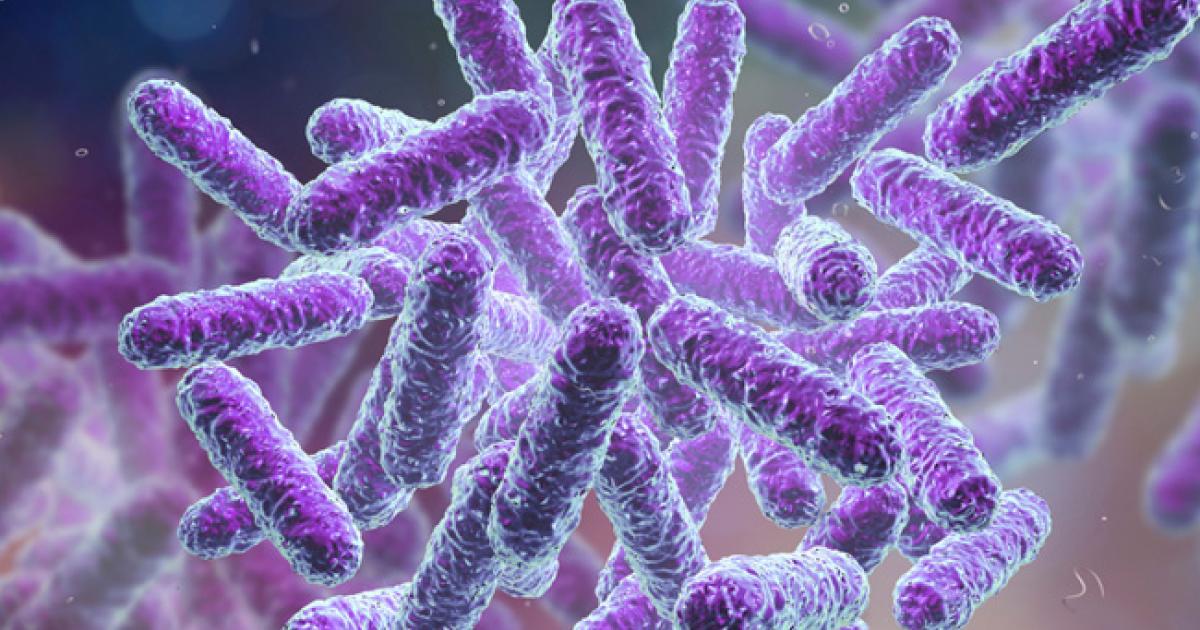
That’s because belly fat is largely regulated by your metabolism — and your gut microbiome.
Recent research shows that specific gut bacteria directly influence:
— fat storage
— insulin sensitivity
— inflammation
— energy extraction
In other words:
your gut may be one of the main reasons you can’t lose belly fat.
What are the best probiotics for belly fat?
The most effective probiotics for reducing belly fat include:
— Lactobacillus gasseri (visceral fat reduction)
— Lactobacillus rhamnosus (weight loss support)
— Bifidobacterium species (metabolic and anti-inflammatory effects)
These strains have been shown in clinical studies to reduce abdominal fat and improve metabolic health.
Not all fat behaves the same.
Visceral fat — the fat stored around your organs — is metabolically active.
It is strongly linked to:
— insulin resistance
— chronic inflammation
— metabolic dysfunction
This is why reducing belly fat is not just cosmetic — it is critical for health.
Your gut microbiome acts like a metabolic control center.
It influences:
— how many calories you absorb
— how fat is stored
— how your body responds to insulin
— how much inflammation is produced
Certain microbial profiles promote fat gain.
Others promote fat loss [1].
Among all probiotics, Lactobacillus gasseri is the most studied for belly fat reduction.
Clinical trials have shown that it can:
— reduce abdominal fat
— decrease waist circumference
— lower visceral fat area
In one study, participants experienced up to 8% reduction in visceral fat over 12 weeks [2].
This is a major finding — because visceral fat is the most dangerous type of fat.
Certain strains of Lactobacillus rhamnosus have also been linked to weight loss.
A randomized controlled trial showed:
— significant weight loss
— improved body composition
especially in women [3].
Bifidobacterium species play a key role in:
— gut barrier function
— inflammation reduction
— insulin sensitivity
They don’t directly “burn fat” — but they create the metabolic conditions necessary for fat loss [4].
Probiotics work through multiple mechanisms:
Chronic inflammation promotes fat storage.
Probiotics help lower inflammatory signaling.
Better insulin response = less fat storage.
Some bacteria extract more calories from food than others.
The gut communicates directly with the brain.
This is critical.
Probiotic effects are strain-specific
Generic probiotics = often ineffective
Targeted strains = measurable results
This is why choosing the right probiotic matters.
Probiotics alone are not enough.
You must create an environment where they can work.
Fiber-rich foods (feed good bacteria):
— vegetables (broccoli, spinach, zucchini)
— legumes (lentils, chickpeas)
— oats
— chia seeds
Fermented foods:
— yogurt
— kefir
— sauerkraut
— kimchi
Polyphenol-rich foods:
— berries
— green tea
— dark chocolate
— coffee
These support gut diversity and metabolic health [5].
— sugar
— ultra-processed foods
— refined carbs
— excessive snacking
These promote dysbiosis and inflammation.
Belly fat and blood sugar are tightly connected.
— poor glucose control → more fat storage
— more visceral fat → worse insulin resistance
This creates a metabolic loop.
Breaking this loop is essential.
The Cellular Nutrition® protocol N°8 SLIM is designed to address belly fat through a multi-system approach.
It combines:
— targeted probiotics (including Lactobacillus gasseri)
— berberine (glycemic control, AMPK activation)
— gymnema (reduced sugar cravings)
This allows it to act on:
— gut microbiome
— blood sugar
— fat storage
— metabolic signaling
Instead of targeting fat alone, N°8 SLIM targets the biology behind it.
Belly fat is not just stored energy.
It is a metabolic condition.
To reduce it, you must:
— improve gut health
— stabilize blood sugar
— reduce inflammation
— restore metabolic flexibility
This is exactly what a Cellular Nutrition® approach aims to do.
If you can’t lose belly fat, it’s not just about calories.
It’s about your metabolism — and your gut.
The right probiotic strains, combined with proper nutrition and metabolic support, can significantly improve fat distribution and metabolic health.
The Cellular Nutrition® protocol N°8 SLIM is built around this exact principle:
restore the biological systems that control fat — so your body can do what it’s supposed to do.
Yes, certain strains like Lactobacillus gasseri have been shown to reduce abdominal and visceral fat in clinical studies.
Most studies show effects within 8 to 12 weeks, depending on the strain and individual metabolism.
Lactobacillus gasseri is currently the most studied and effective strain for reducing visceral fat.
No. Probiotics support metabolism, but diet and lifestyle remain essential.
Yes. The Cellular Nutrition® protocol N°8 SLIM targets gut health, blood sugar, and metabolic pathways involved in fat storage.
[1] Gut microbiome and obesity
https://pubmed.ncbi.nlm.nih.gov/33297486/
[2] Lactobacillus gasseri abdominal fat study
https://pubmed.ncbi.nlm.nih.gov/20216555/
[3] Lactobacillus rhamnosus weight loss trial
https://pubmed.ncbi.nlm.nih.gov/23474868/
[4] Bifidobacterium and metabolic health
https://pubmed.ncbi.nlm.nih.gov/30020471/
[5] Polyphenols and gut microbiome
https://pubmed.ncbi.nlm.nih.gov/38287652/