DIETARY SUPPLEMENTS

Découvrez 08 - Slim
Your ally for a slimmer figure and healthy weight

Journal
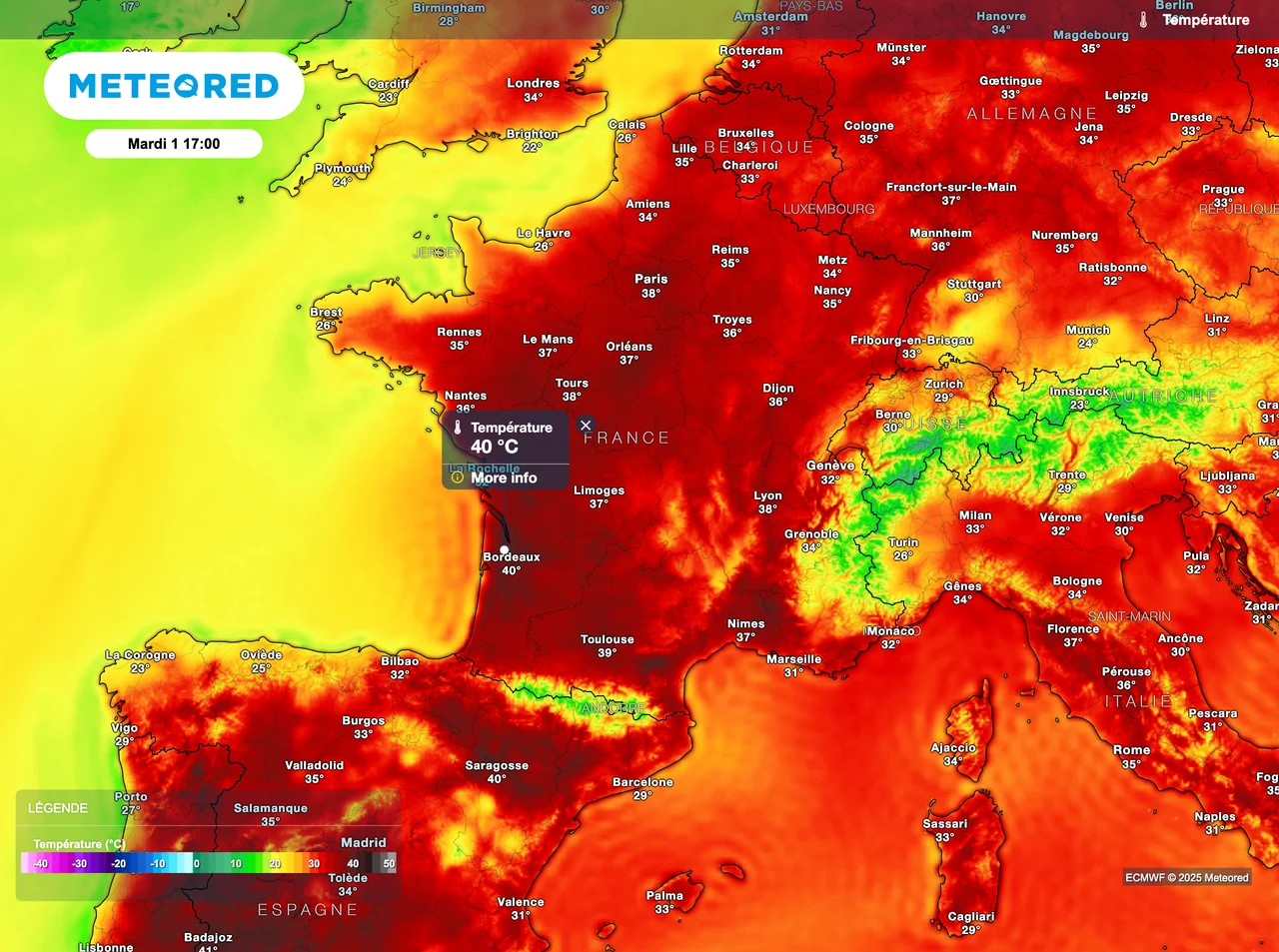
Some people seem to move through heat waves without much difficulty.
Others feel exhausted after only a few days of hot weather.
Unusual fatigue, reduced concentration, low energy, headaches, irritability, poor sleep, and a general feeling of sluggishness are all common during periods of extreme heat.
Contrary to popular belief, these symptoms are not caused by dehydration alone.
Heat waves represent a significant physiological challenge for the human body.
They continuously activate the systems responsible for:
Understanding these mechanisms can help protect your body and maintain energy levels even during prolonged periods of extreme heat.
The human body operates within an extremely narrow temperature range.
To maintain a stable internal temperature of approximately 98.6°F (37°C), the body must constantly adapt to environmental conditions.
When temperatures rise significantly, several physiological responses occur:
All of these processes require energy.
In other words, the body is working harder simply to maintain balance.
This additional energy expenditure contributes directly to the fatigue many people experience during heat waves.
Researchers often refer to this phenomenon as heat stress.
Heat stress describes the collection of physiological adaptations required when the body is exposed to elevated temperatures.
During a heat wave, the body must simultaneously:
The longer the exposure continues, the more demanding these adaptations become.
This helps explain why fatigue often develops progressively over several days of extreme heat.
Not everyone responds to heat in the same way.
Several factors influence heat tolerance, including:
Metabolic health also plays an important role.
Individuals with efficient energy production systems often have greater physiological reserves to cope with thermal stress.
To understand why some people become exhausted during hot weather, we need to look at the mitochondria.
Mitochondria are tiny structures found inside nearly every cell of the body.
Their primary role is to produce ATP, the molecule that powers virtually every biological function.
Breathing.
Walking.
Thinking.
Regulating body temperature.
Keeping the heart beating.
Every one of these functions depends on mitochondrial energy production.
When energy demands increase—as they do during extreme heat—mitochondria must work harder.
The body does not passively endure heat.
It actively fights against it.
This adaptation requires a continuous mobilization of cellular resources.
Several systems become more active:
This increased energy demand helps explain why many people experience:
Heat therefore affects far more than comfort.
It substantially increases the body’s energy requirements.
The brain accounts for roughly 2% of total body weight but consumes approximately 20% of the body’s energy production.
When more energy must be redirected toward maintaining thermal balance, cognitive performance may suffer.
Many people report:
These symptoms are particularly common during prolonged periods of extreme heat.
They often reflect a combination of:
Viewed through this lens, a heat wave is not simply an uncomfortable weather event.
It is a genuine metabolic challenge that places significant demands on the body’s energy-producing systems.
When temperatures rise, the first recommendation is usually simple:
Drink more water.
This advice is essential.
However, dehydration alone does not fully explain the fatigue and loss of performance many people experience during a heat wave.
Extreme heat causes more than water loss.
It also increases the loss of electrolytes—minerals that are critical for cellular function and overall physiological balance.
Sweat contains several essential minerals, including:
These electrolytes play crucial roles in:
When electrolyte losses become significant, symptoms may include:
This is one reason why drinking large amounts of plain water is not always enough during prolonged periods of extreme heat.
Sweating is one of the body’s primary cooling mechanisms.
As sweat evaporates from the skin, heat is removed from the body.
This process is remarkably effective.
However, it comes at a physiological cost.
As sweating increases:
This helps explain why two days with the same temperature can feel completely different depending on humidity levels, physical activity, and hydration status.
Yes.
Research shows that prolonged heat exposure can increase oxidative stress throughout the body.
Oxidative stress occurs when the production of reactive oxygen species—often referred to as free radicals—exceeds the body’s antioxidant defenses.
These molecules are produced naturally during normal metabolism.
Problems arise when production increases excessively.
Studies suggest that heat stress can significantly increase oxidative burden and place additional demands on cellular defense systems [1].
Mitochondria produce cellular energy.
They are also one of the primary sources of reactive oxygen species within the body.
When energy demands increase, mitochondria must work harder.
As a result, oxidative stress can also increase.
This combination may contribute to:
This is one reason why mitochondrial support has become an increasingly important area of research in fatigue, aging, and resilience to environmental stress.
Extreme heat may also influence inflammatory processes.
Researchers have observed that heat stress can affect:
For individuals already experiencing chronic low-grade inflammation, prolonged heat exposure may increase fatigue and reduce resilience [2].
Sleep is one of the first biological systems affected by elevated temperatures.
To fall asleep efficiently, the body normally lowers its core temperature slightly.
When nighttime temperatures remain high, this process becomes more difficult.
As a result, people may experience:
After several nights of poor-quality sleep, the effects of heat often become significantly more noticeable.
Indirectly, yes.
The gut microbiome is highly sensitive to:
All four of these factors frequently occur during periods of extreme heat.
Research increasingly shows that the gut microbiome influences:
This may help explain why many individuals experience digestive discomfort, low energy, and reduced well-being during heat waves [3].
The gut and the brain communicate continuously through what scientists call the gut-brain axis.
This communication influences:
When sleep quality declines, heat stress increases, and physiological strain accumulates, this system may become less resilient.
Fatigue is therefore rarely caused by a single factor.
Instead, it often reflects the combined effects of heat stress, sleep disruption, oxidative stress, inflammation, mitochondrial strain, and gut-brain dysfunction.
During a heat wave, the body continuously expends energy simply to maintain equilibrium.
Even at rest, it must:
This constant physiological effort reduces recovery capacity.
It helps explain why many people wake up feeling tired despite getting what appears to be an adequate amount of sleep.
Summer fatigue is real.
And it is driven by a complex interaction involving thermoregulation, mitochondria, oxidative stress, inflammation, gut health, sleep quality, and stress adaptation.
When temperatures soar, the goal is not simply to avoid dehydration.
The real objective is to support the biological systems that are working harder than usual to maintain internal balance.
These include:
Supporting these systems can help preserve both physical and mental performance during periods of extreme heat.
Staying hydrated remains the foundation of heat resilience.
However, hydration is not simply about drinking more water.
The body must also maintain a healthy balance between water and electrolytes.
Key minerals involved include:
A nutrient-dense diet rich in fruits, vegetables, and minimally processed foods can help support this balance naturally.
Yes.
Many people experience a reduced appetite during heat waves.
However, the body still requires:
Lighter meals that remain nutritionally dense are often easier to tolerate while still supporting energy production and recovery.
Particularly useful foods during hot weather include:
The goal is not necessarily to eat less.
The goal is to provide the body with the nutrients it needs to adapt to heat stress.
Physical activity remains beneficial.
However, both timing and intensity often need to be adjusted.
The safest periods for exercise are generally:
High-intensity exercise performed during the hottest hours of the day dramatically increases:
During a heat wave, recovery becomes just as important as training itself.
Heat places a substantial demand on the body’s energy-producing systems.
Every day during a heat wave, the body must expend additional energy to:
All of these processes depend on mitochondrial function.
When mitochondria operate efficiently, the body generally has greater capacity to adapt to environmental stressors.
When energy production becomes compromised, fatigue often develops more quickly.
Within the Cellular Nutrition® approach developed by Dr. Espinasse, OPTIMAL was formulated to support the biological mechanisms involved in physical, mental, and metabolic fatigue.
Its formulation combines:
These ingredients were selected to support several systems that become particularly challenged during periods of extreme heat.
Coenzyme Q10 plays a critical role in mitochondrial energy production.
It participates directly in the electron transport chain, one of the body’s primary ATP-generating systems.
Because heat waves increase overall energy demands, mitochondrial support becomes especially relevant during hot weather.
Rhodiola is one of the most extensively studied adaptogenic plants.
It has been investigated for its ability to support resilience during periods of physical and mental stress.
A prolonged heat wave represents precisely this type of physiological challenge.
By supporting adaptive stress-response mechanisms, Rhodiola may help the body better cope with environmental strain.
Summer fatigue does not affect only the body.
Many individuals also report:
L-Tyrosine serves as a precursor for several neurotransmitters involved in attention, alertness, motivation, and stress adaptation.
Supporting these pathways may help maintain cognitive performance during demanding environmental conditions.
The targeted probiotics included in OPTIMAL support gut microbiome balance.
The microbiome influences:
This integrated approach helps address multiple biological systems involved in fatigue and resilience during periods of prolonged heat exposure.
According to the Cellular Nutrition® framework, vitality depends on much more than sleep and hydration alone.
It also depends on the ability of cells to:
Heat waves place each of these systems under pressure.
For many individuals, periods of extreme heat reveal underlying vulnerabilities in metabolic resilience and energy production.
Extreme heat is far more than a temporary inconvenience.
It represents a genuine physiological challenge that affects thermoregulation, hydration, circulation, sleep quality, mitochondrial function, oxidative stress, and recovery.
As exposure continues, fatigue often becomes multifactorial.
Mitochondria, inflammation, gut health, sleep quality, and stress adaptation all influence how well the body tolerates heat.
Understanding these mechanisms provides a more comprehensive and scientifically grounded approach to maintaining energy, performance, and well-being throughout the summer months.
Heat increases energy demands, cardiovascular workload, sweating, and sleep disruption, all of which can contribute to fatigue.
Heat stress, dehydration, poor sleep, and increased metabolic demands may all contribute to brain fog and reduced concentration.
Fluid requirements vary by individual, activity level, and temperature, but regular hydration throughout the day is essential during periods of extreme heat.
Yes. Sweating increases losses of sodium, potassium, magnesium, and other minerals that are essential for cellular and neurological function.
The body needs to lower its core temperature to initiate sleep. Elevated nighttime temperatures can interfere with this process and reduce sleep quality.
Yes. Research shows that heat stress may increase free radical production and place greater demands on antioxidant defense systems.
Proper hydration, adequate electrolyte intake, nutrient-dense foods, appropriate exercise timing, quality sleep, and support for cellular energy production all help improve resilience to heat.
Dr. Valérie Espinasse is a Doctor of Pharmacy, specialist in Predictive and Preventive Medicine, and expert in micronutrition.
For more than twenty years, she has helped patients optimize their health through an evidence-based approach integrating cellular biology, precision nutrition, functional medicine, and preventive healthcare.
Through her proprietary Cellular Nutrition® framework, Dr. Espinasse focuses on the biological mechanisms that influence energy production, low-grade inflammation, gut microbiome health, metabolic resilience, and healthy aging.
Over the course of her career, she has supported more than 20,000 patients and conducted more than 15,000 advanced biological assessments.
Learn more:
https://methode-espinasse.com
[1] Hall DM et al. Mechanisms of Hyperthermia and Oxidative Stress. Journal of Applied Physiology.
https://pubmed.ncbi.nlm.nih.gov/17463303/
[2] Leon LR, Helwig BG. Heat Stroke: Role of the Systemic Inflammatory Response. Journal of Applied Physiology.
https://pubmed.ncbi.nlm.nih.gov/18032470/
[3] Cryan JF et al. The Microbiota-Gut-Brain Axis. Physiological Reviews.
https://pubmed.ncbi.nlm.nih.gov/31460832/
https://journals.physiology.org/doi/full/10.1152/physrev.00018.2018
[4] Picard M et al. Mitochondrial Function and Adaptation to Physiological Stress. Cell Metabolism.
https://pubmed.ncbi.nlm.nih.gov/27508841/
https://www.cell.com/cell-metabolism/fulltext/S1550-4131(16)30300-9
[5] Neufer PD et al. Understanding the Cellular and Molecular Mechanisms of Physical Activity-Induced Health Benefits. Cell Metabolism.
https://pubmed.ncbi.nlm.nih.gov/30713033/
[6] Sawka MN et al. Human Water Needs. Nutrition Reviews.
https://pubmed.ncbi.nlm.nih.gov/23075561/
[7] Cramer MN, Jay O. Selecting the Correct Exercise Heat Stress Index. Temperature.
https://pubmed.ncbi.nlm.nih.gov/27227021/
[8] Nielsen B, Nybo L. Cerebral Changes During Exercise in the Heat. Sports Medicine.
https://pubmed.ncbi.nlm.nih.gov/11428680/
[9] Bouchama A, Knochel JP. Heat Stroke. New England Journal of Medicine.
https://pubmed.ncbi.nlm.nih.gov/9262495/
https://www.nejm.org/doi/full/10.1056/NEJM199306243282307
[10] Nybo L et al. Heat Stress and Fatigue. Comprehensive Physiology.
https://pubmed.ncbi.nlm.nih.gov/23720247/