DIETARY SUPPLEMENTS

Découvrez 08 - Slim
Your ally for a slimmer figure and healthy weight

Journal
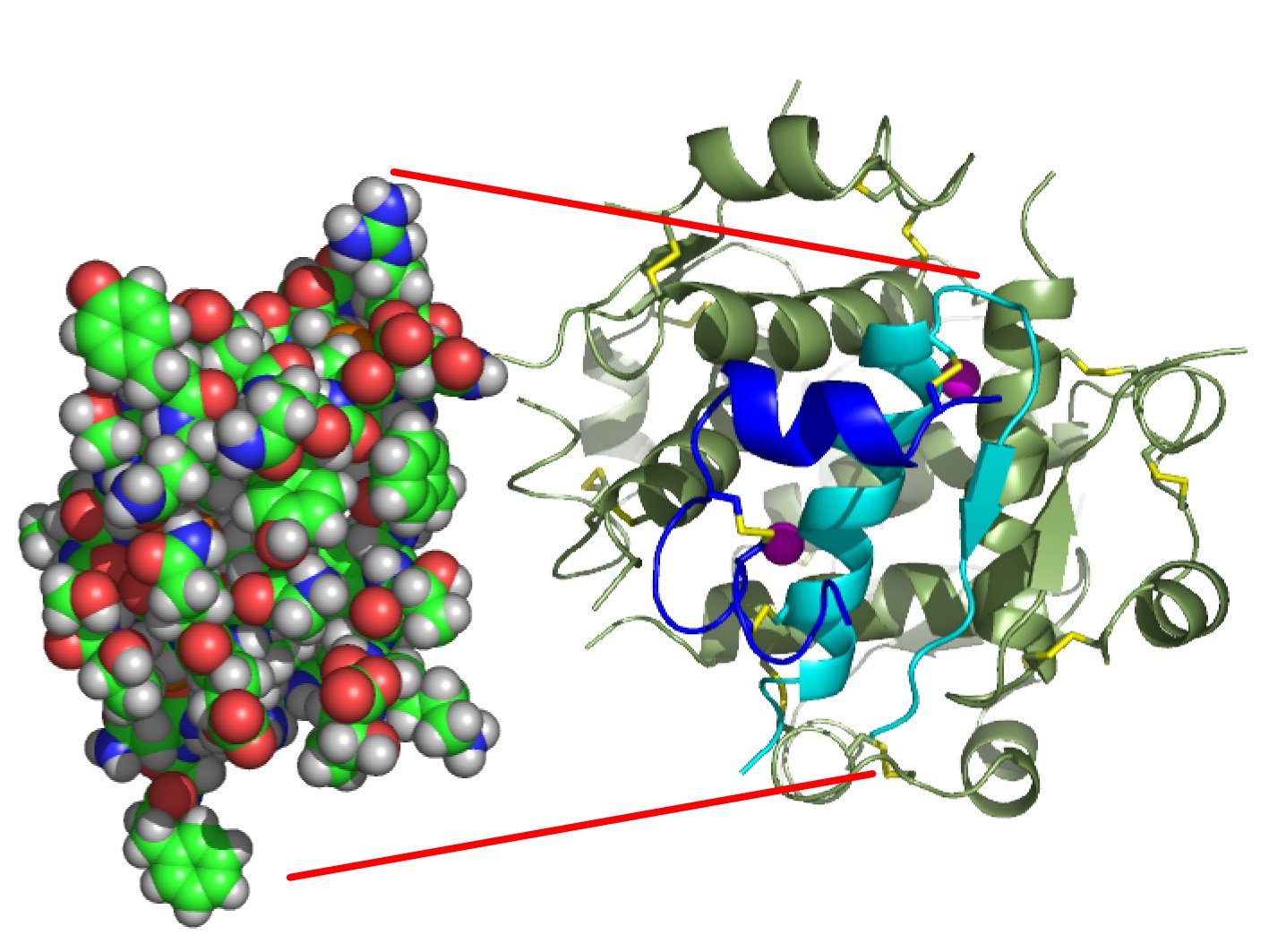
Most metabolic issues share a common underlying mechanism:
reduced insulin sensitivity.
This alteration often develops silently, but its effects are widespread:
— weight gain, especially abdominal
— sugar cravings
— post-meal fatigue
— difficulty losing fat
— unstable blood glucose
Improving insulin sensitivity is one of the most effective ways to restore metabolic function.
How do you improve insulin sensitivity?
To improve insulin sensitivity:
— stabilize blood sugar
— increase muscle mass
— reduce chronic inflammation
— support gut microbiome balance
— use targeted compounds such as berberine
These strategies improve glucose uptake and reduce energy storage.
Insulin is not the problem.
It is a regulatory hormone that allows glucose to enter cells, where it can be used for energy or stored.
In a healthy system:
— blood glucose rises after a meal
— insulin is released
— glucose is absorbed and utilized
— balance is restored
The issue arises when cells no longer respond efficiently.
Insulin resistance refers to a reduced cellular response to insulin.
In this state:
— insulin is present
— but its effect is diminished
Glucose uptake becomes less efficient.
The body compensates by producing more insulin.
This mechanism is well established as a central driver of metabolic dysfunction [1].
Reduced insulin sensitivity leads to:
— increased fat storage
— reduced fat oxidation
— unstable glucose levels
— increased cravings
— impaired energy regulation
Over time, this creates a self-reinforcing metabolic imbalance.
Blood sugar instability both contributes to and results from insulin resistance.
Frequent glucose spikes lead to repeated insulin secretion and metabolic stress.
Over time, this reduces cellular responsiveness.
Stabilizing blood glucose is therefore a primary intervention.
Skeletal muscle is one of the primary tissues responsible for glucose uptake.
Higher muscle mass improves:
— glucose utilization
— insulin sensitivity
— metabolic efficiency
Conversely, sedentary behavior and low muscle mass impair glucose handling.
Cellular energy production depends on mitochondrial function.
Reduced mitochondrial efficiency leads to:
— impaired glucose utilization
— lower energy production
— increased storage
Mitochondrial dysfunction is closely linked to metabolic disease [2].
The gut microbiome influences insulin sensitivity through:
— metabolite production
— inflammatory signaling
— gut barrier integrity
Dysbiosis has been associated with impaired glucose metabolism and insulin resistance [3].
Chronic inflammation disrupts insulin signaling pathways.
It reduces cellular responsiveness and contributes to metabolic dysfunction.
This process is influenced by:
— diet
— gut microbiome
— adipose tissue
Combine:
— protein
— fiber
— healthy fats
Avoid isolated carbohydrate intake.
Limit refined carbohydrates and ultra-processed foods.
Focus on whole, minimally processed foods.
Resistance training and regular movement improve insulin response.
Spacing meals allows metabolic regulation to reset.
Increase fiber intake and dietary diversity.
Certain compounds can support insulin sensitivity.
Berberine is one of the most studied compounds in this area.
It improves insulin sensitivity, reduces blood glucose, and activates AMPK, a key regulator of cellular energy metabolism [4].
It also reduces hepatic glucose production and may influence gut microbiome composition.
Its primary effect is not symptomatic, but regulatory:
it improves the underlying metabolic response.
— polyphenols
— magnesium
— probiotics
Their effectiveness depends on individual metabolic context.
The Cellular Nutrition® protocol N°8 SLIM is designed to target insulin sensitivity through multiple pathways.
It combines:
— berberine → improved insulin response and glycemic control
— Gymnema sylvestre → reduced sugar intake
— targeted probiotics → microbiome support
This approach reflects the interaction between metabolic systems.
Insulin signaling, blood glucose regulation, and microbiome composition are interconnected.
Addressing them simultaneously improves overall metabolic stability.
When insulin sensitivity improves:
— glucose utilization becomes more efficient
— energy stabilizes
— fat storage decreases
— cravings are reduced
This process is gradual, but consistent.
Insulin sensitivity is a central determinant of metabolic health.
When impaired, it affects energy regulation, fat storage, and appetite.
Improving it requires a systemic approach targeting blood glucose, muscle, mitochondria, and the gut microbiome.
This is the framework of the Cellular Nutrition® protocol N°8 SLIM:
restoring metabolic function,
rather than compensating for its dysfunction.
[1] DeFronzo RA. Insulin Resistance
https://pubmed.ncbi.nlm.nih.gov/29904145/
[2] Mitochondrial metabolism
https://pubmed.ncbi.nlm.nih.gov/35842501/
[3] Gut microbiome and metabolism
https://pubmed.ncbi.nlm.nih.gov/33297486/
[4] Berberine metabolism
https://pubmed.ncbi.nlm.nih.gov/18442638/