DIETARY SUPPLEMENTS
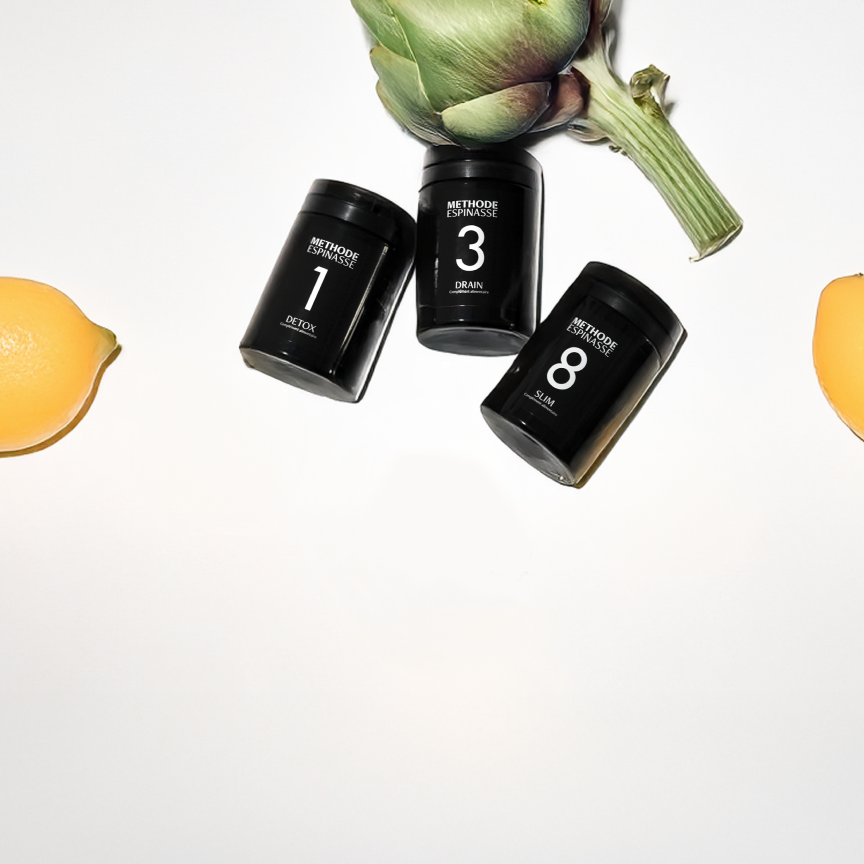
Découvrez 08 - Slim
Your ally for a slimmer figure and healthy weight

Journal
Premenstrual syndrome (PMS) is often dismissed as “just hormones.”
Mood swings, bloating, fatigue, cravings, anxiety — up to 80% of women experience these symptoms across their cycle [1].
This view is outdated.
Current research shows that PMS is not simply caused by hormonal imbalance. It is driven by a dysregulated biological response to normal hormonal fluctuations, involving the brain, inflammation, the gut microbiome, and hormone metabolism pathways [2].
In other words:
It’s not just about your hormones.
It’s about how your body processes and responds to them.
The most effective strategies target multiple systems simultaneously.
A landmark study published in The New England Journal of Medicine demonstrated that PMS symptoms disappear when ovarian hormone fluctuations are suppressed — and return when they are reintroduced [2].
This confirms a key mechanism:
→ PMS is driven by brain sensitivity to hormonal changes, not hormone levels alone.
Key systems involved:
Women with PMS show higher levels of inflammatory markers such as CRP and pro-inflammatory cytokines [4].
This inflammation contributes directly to:
Hormones must be:
This process depends on:
When impaired:
Vitex agnus-castus is one of the most evidence-based botanical interventions for PMS.
A meta-analysis published in the BMJ confirms its significant effectiveness in reducing PMS symptoms [5].
The gut microbiome plays a central role in hormonal balance through what researchers call the estrobolome.
Studies in Cell Host & Microbe show that gut bacteria regulate estrogen circulation [6].
A disrupted microbiome can:
Probiotics help:
Research published in Psychoneuroendocrinology also shows probiotics can improve:
Diet directly impacts:
A study in The American Journal of Clinical Nutrition found that high intake of refined sugars and processed foods is associated with increased PMS risk [8].
An anti-inflammatory diet can:
Science is clear:
No single intervention is sufficient.
PMS requires a multi-targeted approach addressing:
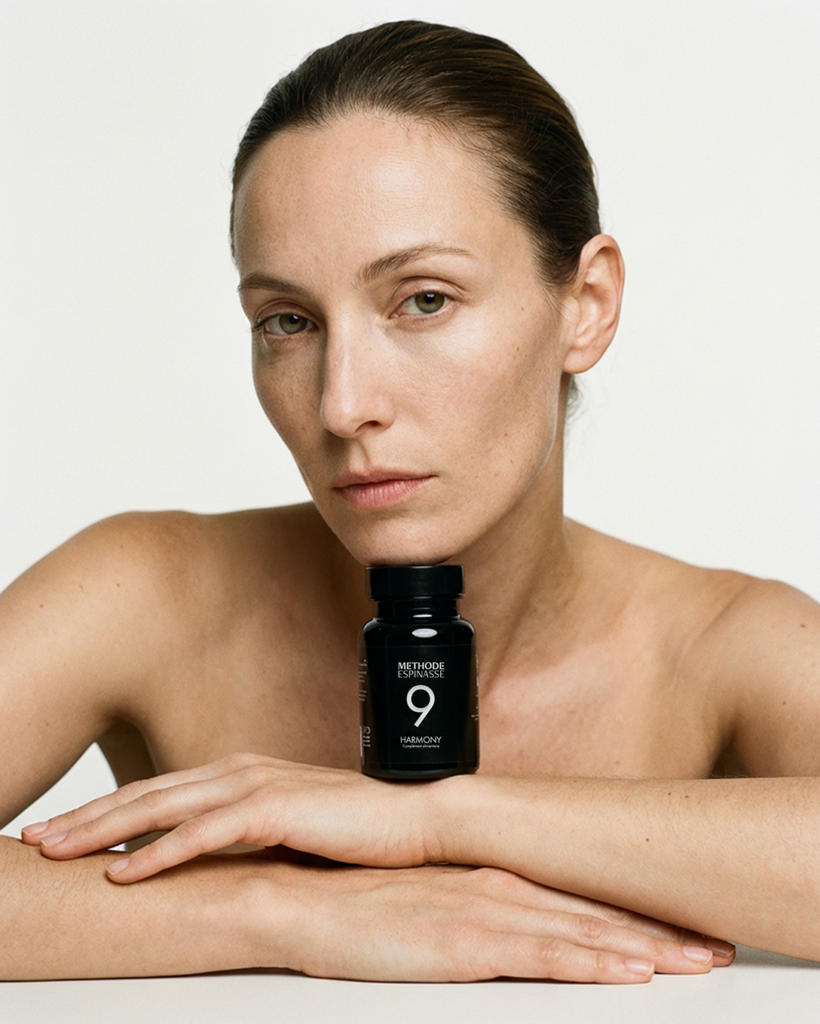
HARMONY was formulated by Dr. Espinasse to address PMS at its biological core — not just symptoms.
It works across multiple systems simultaneously:
Because it aligns with human physiology:
HARMONY is designed to act on these interactions — not isolate one pathway.
Reducing PMS symptoms naturally is not about “fixing hormones” in isolation.
It requires:
This integrative, science-based approach is what delivers sustainable results.
By combining:
Not exactly.
It is primarily caused by an abnormal sensitivity to normal hormonal fluctuations.
Yes. They regulate estrogen metabolism, reduce inflammation, and support the gut–brain axis.
Typically, noticeable improvements occur within 1–3 menstrual cycles.