DIETARY SUPPLEMENTS
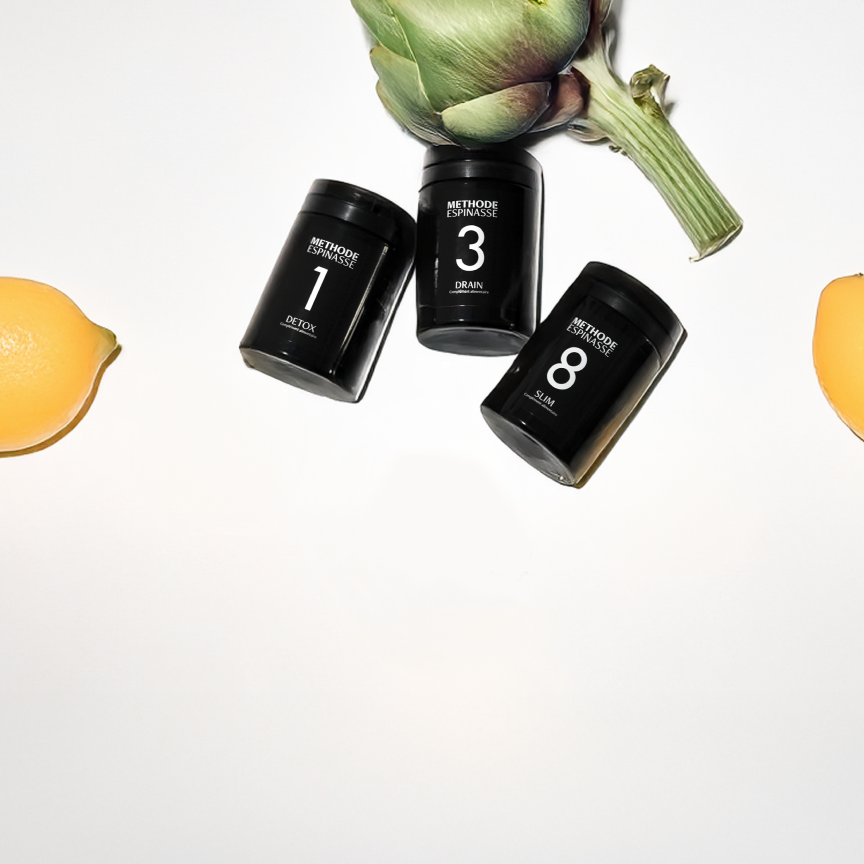
Découvrez 08 - Slim
Your ally for a slimmer figure and healthy weight

Journal
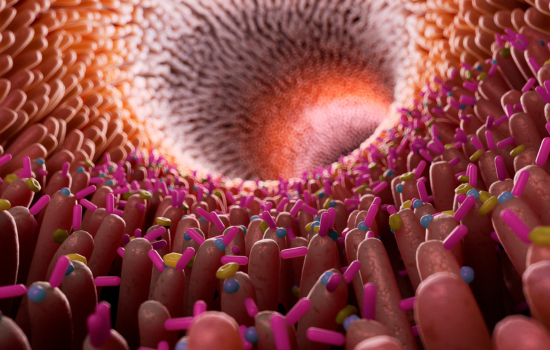
The best probiotic for bloating is a multi-strain formula combined with digestive support. Bloating is often caused by fermentation and poor digestion, so combining probiotics with digestive enzymes is significantly more effective than using probiotics alone.
To rebuild your gut microbiome, you need to target three key areas:
— restore beneficial bacteria (probiotics)
— improve digestion (enzymes)
— repair the gut lining (glutamine)
A combined approach is more effective than focusing on a single mechanism.
To heal your gut naturally:
— increase fiber and plant diversity
— reduce ultra-processed foods and sugar
— manage stress
— improve sleep quality
— support digestion and gut barrier function
Gut health depends on consistency across multiple factors.
— 2–4 weeks: improvement in bloating and digestion
— 2–3 months: microbiome rebalancing
— 3–6 months: long-term gut restoration
The timeline depends on the severity of imbalance.
Common signs include:
— bloating and gas
— constipation or diarrhea
— food sensitivities
— fatigue and low energy
— skin issues (acne, eczema)
— brain fog and anxiety
These often indicate dysbiosis or gut inflammation.
The best gut health supplements are those that target the system as a whole:
— probiotics (microbiome balance)
— digestive enzymes (digestion)
— glutamine (gut lining support)
Single-ingredient products are usually less effective.
Probiotics can work, but their effectiveness depends on the gut environment. Many strains have a temporary presence unless digestion and gut barrier function are also supported.
The main factors that damage gut health are:
— ultra-processed foods
— excess sugar
— alcohol
— chronic stress
— lack of dietary fiber
These reduce microbial diversity and promote inflammation.
The best foods for gut health include:
— vegetables (high diversity)
— fruits
— legumes
— whole grains
— polyphenol-rich foods (berries, cacao, tea)
Diversity is more important than quantity.
Yes. The gut microbiome influences how calories are absorbed, stored, and burned. Certain microbial profiles are linked to fat storage, insulin resistance, and metabolic dysfunction.
Leaky gut, or intestinal permeability, occurs when the gut barrier becomes compromised. This allows toxins like LPS to enter the bloodstream, triggering inflammation. The mechanism is well-documented in scientific research.
To fix leaky gut:
— reduce inflammation
— support gut lining (glutamine)
— improve digestion
— rebalance the microbiome
A multi-layered approach is required.
The most effective supplements combine:
— probiotics
— digestive enzymes
— gut lining support (glutamine)
This combination addresses the root causes of gut dysfunction.
Digestive enzymes are useful when digestion is impaired. They improve nutrient breakdown and reduce fermentation, which helps stabilize the gut environment.
Bloating is often caused by incomplete digestion or microbial fermentation in the gut. This is commonly linked to enzyme deficiency or microbiome imbalance.
Yes, through diet and lifestyle changes. However, targeted supplementation can significantly accelerate results when addressing multiple mechanisms.
The gut microbiome is a complex ecosystem of microorganisms in the digestive tract. It plays a key role in digestion, immunity, metabolism, and brain function.
Signs of an unhealthy gut include digestive issues, fatigue, skin problems, and mood disturbances. A combination of symptoms is often more indicative than a single sign.
The fastest way includes:
— improving diet (fiber + diversity)
— reducing sugar and processed foods
— supporting digestion
— restoring microbiome balance
Consistency is key for lasting results.