DIETARY SUPPLEMENTS

Découvrez 08 - Slim
Your ally for a slimmer figure and healthy weight

Journal
Every year, the same question comes back.
How can you avoid getting sick?
How can you strengthen your immune system naturally?
Are there supplements that can help support your body’s natural defenses?
Interest in immune health has never been greater.
Yet despite the growing awareness surrounding immunity, many misconceptions remain.
The immune system is not a muscle that can simply be “boosted.”
Nor is it an on-off switch that can be activated at will.
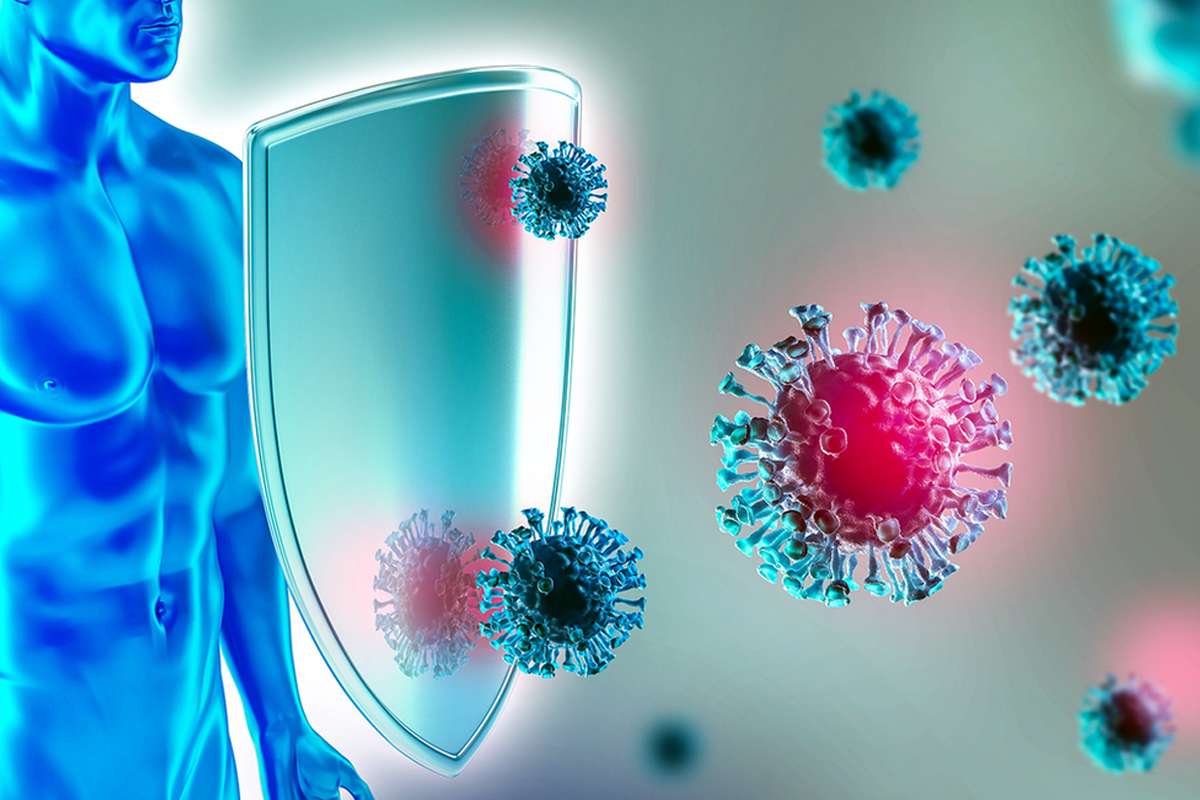
The immune system is an extraordinarily sophisticated network of cells, tissues, organs, and signaling molecules that work together continuously to protect the body.
Its role is fundamental.
Every day, it helps defend us against:
When it functions properly, we rarely think about it.
But when immune function becomes compromised, the consequences can quickly appear:
The good news is that several factors directly influence immune function.
Among the most important are:
This is precisely where certain dietary supplements may provide meaningful support.
The answer is more nuanced than most people think.
The word “strengthen” is often misleading.
The goal is not to create a more aggressive immune response.
An overactive immune system can be just as problematic as an underactive one.
The objective is balance.
In other words:
This concept of immune balance sits at the center of modern immunology [1].
The immune system relies on two major lines of defense.
The first is innate immunity.
This is the body’s rapid-response system.
It acts quickly when a threat is detected.
Key players include:
The second is adaptive immunity.
This system relies primarily on:
One of its most remarkable features is immune memory.
This allows the body to respond more efficiently when it encounters the same pathogen again [2].
The answer is not determined solely by exposure to germs.
It also depends on our biological resilience.
Several factors can reduce immune efficiency:
When several of these factors accumulate, immune defenses may become less effective.
As a result, susceptibility to illness often increases.
Among the most important discoveries in modern medicine, few have transformed our understanding of immunity as dramatically as the gut microbiome.
For many years, the microbiome was viewed primarily as a digestive system component.
Today, researchers recognize it as a central regulator of immune function.
More than 70% of the body’s immune cells are located within the gastrointestinal tract [3].
This relationship is not accidental.
The gut microbiome plays a critical role in:
When the microbiome is diverse and balanced, immune function tends to be more resilient.
Conversely, dysbiosis—an imbalance within the intestinal ecosystem—can disrupt multiple immune mechanisms [4].
The digestive tract represents the body’s largest interface with the outside world.
Every day it encounters:
To manage this constant exposure, the body has developed a highly sophisticated intestinal immune system.
This network contributes to:
When this delicate balance becomes disrupted, the consequences often extend far beyond digestion.
Modern research increasingly demonstrates strong connections between gut health, inflammation, immunity, and overall wellness [5].
Among all nutrients studied in immune health, vitamin D occupies a unique position.
Once associated primarily with bone health, vitamin D is now recognized as an important regulator of immune function.
Vitamin D receptors are found on numerous immune cells, including:
This discovery fundamentally changed our understanding of its biological importance [6].
Research shows that low vitamin D status is frequently associated with impaired immune responses and increased susceptibility to respiratory infections [7].
Unfortunately, vitamin D insufficiency is extremely common throughout the Western world.
Limited sun exposure, indoor lifestyles, and aging all contribute to this widespread issue.
Zinc participates in hundreds of enzymatic reactions throughout the body.
Its role in immunity is particularly important.
Zinc contributes to:
Even mild zinc deficiency can negatively impact immune performance and increase vulnerability to infection.
Selenium is an essential trace mineral involved in multiple protective biological pathways.
It supports:
Researchers continue to investigate selenium’s influence on immune resilience and resistance to environmental stressors.
Like zinc, inadequate intake may compromise optimal immune performance.
Inflammation is a vital component of immune defense.
Without it, effective immune responses would not be possible.
Problems arise when inflammation becomes chronic.
Researchers use the term low-grade inflammation to describe a persistent state of subtle immune activation.
This condition is influenced by factors such as:
Low-grade inflammation may place continuous demands on the immune system and contribute to less efficient immune function over time [10].
Maintaining healthy inflammatory balance is therefore a critical component of long-term immune health.
Absolutely.
The relationship between stress and immunity is now well established.
Acute stress serves an important survival function.
However, chronic stress creates a different physiological environment.
Long-term activation of the stress response increases cortisol production.
Over time, elevated cortisol levels may alter immune regulation and reduce the efficiency of certain immune responses [11].
This helps explain why periods of prolonged psychological stress are often associated with more frequent illness.
Sleep is far more than rest.
It is an active biological process during which critical repair and regulatory mechanisms occur.
During sleep:
Numerous studies demonstrate that chronic sleep deprivation is associated with impaired immune function and increased infection risk [12].
This highlights the profound connection between sleep quality and immune resilience.
As we age, the immune system gradually changes.
Researchers refer to this process as immunosenescence.
These age-related changes include:
Together, these changes help explain why infections often become more frequent or severe later in life [13].
Maintaining a healthy microbiome, optimal nutrition, and adequate micronutrient intake may help support immune resilience throughout the aging process.
One of the most important lessons from modern immunology is that the immune system never functions in isolation.
It interacts continuously with:
This holistic understanding explains why the most effective immune-support strategies rarely rely on a single nutrient.
Instead, they seek to support the entire network of biological systems involved in immune resilience.
Over the past decade, probiotics have become one of the most intensively studied areas of immune research.
This growing interest is well justified.
As discussed earlier, more than 70% of immune cells reside within the gastrointestinal tract [3].
The gut microbiome continuously influences immune education and regulation.
A balanced microbiome helps support:
Conversely, dysbiosis may negatively affect several aspects of immune function [4].
This helps explain why probiotics are increasingly being incorporated into modern immune-support strategies.
No.
This is a crucial distinction.
The term probiotics encompasses thousands of different microbial strains.
Each strain possesses unique biological characteristics.
Some are primarily studied for digestive health.
Others are investigated for inflammatory regulation.
Others show promise in supporting immune function.
The benefits observed in clinical studies depend heavily on:
This is why choosing the right strains is critical.
Current scientific evidence highlights several categories of nutrients and compounds that may help support immune function:
Their value lies not in overstimulating immunity but in helping maintain healthy immune balance.
That distinction matters.
The goal is not to “boost” immunity.
The goal is to support optimal immune function.
No supplement can permanently compensate for:
The foundations of immune resilience remain:
Supplements are most effective when used as part of this broader framework.
Within the Cellular Nutrition® approach developed by Dr. Espinasse, immune health is viewed as the result of interactions between the microbiome, inflammation, nutritional status, and cellular defense mechanisms.
IMMUN was formulated to address several of these complementary pathways.
Its formulation combines:
The goal is to support normal immune function while helping maintain an internal environment favorable to immune balance.
Today, it is impossible to discuss immune health without discussing the gut microbiome.
As we have seen, the digestive tract serves as one of the body’s most important immune regulatory centers.
This is precisely why microbiome support represents such a valuable strategy.
FLORA combines:
This formulation was designed to support:
Modern science increasingly views digestive health and immune health as inseparable.
The immune system is far more sophisticated than previously believed.
Modern research demonstrates that immune resilience depends on continuous interactions between:
This emerging understanding moves us beyond the simplistic idea of merely “boosting” immunity.
Instead, the goal becomes creating the conditions that allow the immune system to function optimally.
When incorporated into a comprehensive lifestyle strategy, certain dietary supplements may help support the biological mechanisms involved in healthy immune function.
Today, immune health is about far more than avoiding illness.
It is one of the fundamental pillars of overall wellness, metabolic resilience, and healthy aging.
Some of the most studied nutrients include vitamin D, zinc, selenium, and selected probiotic strains. Their value depends on individual needs and overall health status.
Certain probiotic strains have demonstrated beneficial effects on immune regulation and gut health [14].
A large proportion of immune cells reside within the digestive tract. The microbiome plays a central role in immune education and regulation.
Yes. Vitamin D influences numerous immune pathways, and deficiency is frequently associated with impaired immune responses [6][7].
Chronic stress can alter immune regulation and increase susceptibility to illness [11].
Absolutely. Sleep supports immune regulation, immune memory formation, and healthy inflammatory balance [12].
A nutrient-rich diet, a healthy microbiome, quality sleep, regular physical activity, and adequate micronutrient intake are among the most powerful natural tools for supporting immune health.
Dr. Espinasse is a Doctor of Pharmacy, specialist in Predictive and Preventive Medicine, and expert in micronutrition.
For more than twenty years, she has helped patients optimize their health through an approach grounded in cellular biology, precision nutrition, and functional medicine.
Through her proprietary Cellular Nutrition® concept, she focuses on the biological mechanisms that influence energy production, low-grade inflammation, gut microbiome balance, metabolic resilience, and longevity.
Over the course of her career, Dr. Espinasse has supported more than 20,000 patients and conducted over 15,000 comprehensive biological assessments.
[1] Chaplin DD. Overview of the Immune Response.
https://pubmed.ncbi.nlm.nih.gov/18653713/
[2] Murphy K, Weaver C. Janeway’s Immunobiology.
https://www.ncbi.nlm.nih.gov/books/NBK10757/
[3] Belkaid Y, Hand TW. Role of the Microbiota in Immunity and Inflammation.
https://pubmed.ncbi.nlm.nih.gov/23778795/
[4] Honda K, Littman DR. The Microbiota in Adaptive Immune Homeostasis.
https://pubmed.ncbi.nlm.nih.gov/22972298/
[5] Thaiss CA et al. The Microbiome and Innate Immunity.
https://pubmed.ncbi.nlm.nih.gov/28316330/
[6] Aranow C. Vitamin D and the Immune System.
https://pubmed.ncbi.nlm.nih.gov/23306192/
[7] Martineau AR et al. Vitamin D Supplementation to Prevent Acute Respiratory Tract Infections.
https://pubmed.ncbi.nlm.nih.gov/28202713/
[8] Gammoh NZ, Rink L. Zinc in Infection and Inflammation.
https://pubmed.ncbi.nlm.nih.gov/24406151/
[9] Avery JC, Hoffmann PR. Selenium, Selenoproteins and Immunity.
https://pubmed.ncbi.nlm.nih.gov/26485082/
[10] Furman D et al. Chronic Inflammation in the Etiology of Disease Across the Life Span.
https://pubmed.ncbi.nlm.nih.gov/25458998/
[11] Segerstrom SC, Miller GE. Psychological Stress and the Human Immune System.
https://pubmed.ncbi.nlm.nih.gov/16318892/
[12] Besedovsky L et al. Sleep and Immune Function.
https://pubmed.ncbi.nlm.nih.gov/28805681/
[13] Fulop T et al. Immunosenescence and Inflamm-Aging.
https://pubmed.ncbi.nlm.nih.gov/29419644/
[14] McFarland LV et al. Probiotics and Immune Health.
https://pubmed.ncbi.nlm.nih.gov/25083060/