DIETARY SUPPLEMENTS
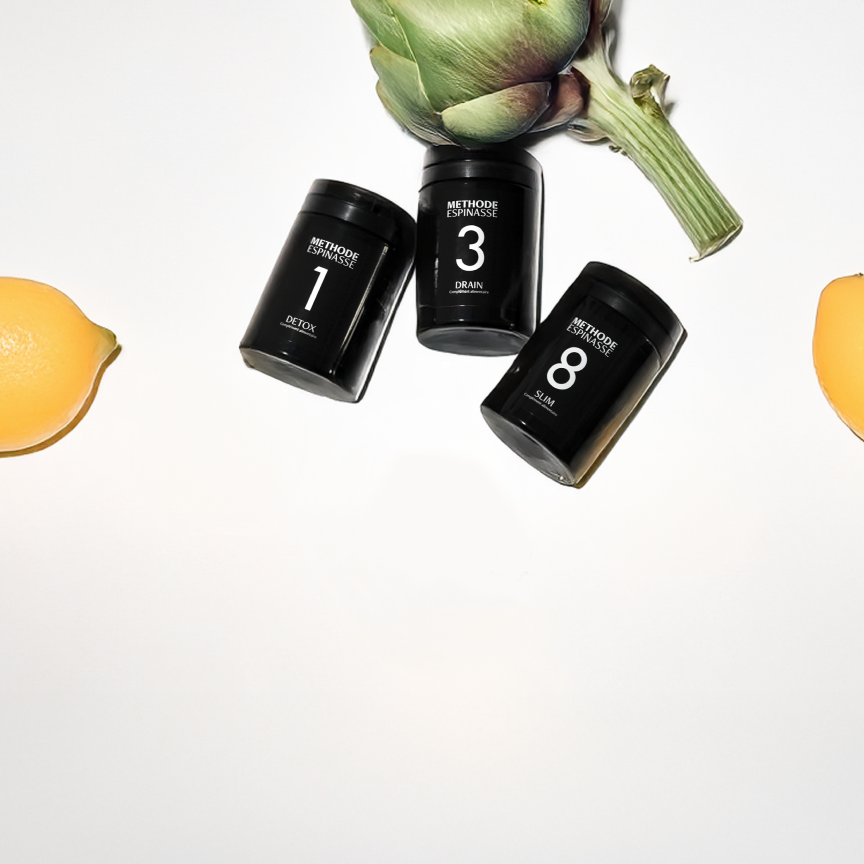
Découvrez 08 - Slim
Your ally for a slimmer figure and healthy weight

Journal

Weight gain during menopause is often described as sudden, unexplained, and frustrating. Despite stable eating habits and consistent physical activity, body composition shifts. Fat mass increases—particularly in the abdominal region—while lean mass progressively declines. At the same time, energy expenditure decreases, and appetite regulation becomes less stable.
This phenomenon cannot be explained by calories alone.
It reflects a deep physiological reorganization, involving hormonal signaling, metabolic function, low-grade inflammation, gut microbiome dynamics, and neuroendocrine regulation.
Menopause is defined by a decline in ovarian estrogen production. However, estrogen is not simply a reproductive hormone—it is a key regulator of metabolic health.
It directly influences:
— insulin sensitivity
— fat distribution
— mitochondrial function
— energy expenditure
As estrogen levels decline, metabolic signaling becomes less efficient. Tissues become more insulin resistant, glucose utilization decreases, and fat storage is favored—particularly in the visceral compartment, which is metabolically active and associated with increased cardiometabolic risk [1][2].
In parallel, age-related loss of muscle mass further reduces basal metabolic rate, amplifying this effect.
Menopause is strongly associated with reduced insulin sensitivity, a central driver of weight gain [3].
Under normal conditions, the body can switch efficiently between glucose and fat as fuel sources—this is known as metabolic flexibility. During menopause, this flexibility is impaired. Glucose is less efficiently utilized, glycemic variability increases, and fat oxidation is reduced.
The result is a metabolic environment that promotes fat storage rather than fat burning.
Menopause also induces significant changes in the gut microbiome, including reduced microbial diversity and a shift toward more pro-inflammatory bacterial profiles [4].
These changes have direct metabolic consequences:
— altered energy extraction from food
— impaired insulin signaling
— disrupted appetite regulation
— altered estrogen metabolism via the estrobolome
The gut microbiome becomes a central regulator of metabolic health and body weight.
Aging and menopause are associated with a progressive increase in low-grade systemic inflammation, often referred to as inflammaging [5].
This inflammatory state:
— disrupts insulin signaling
— promotes fat storage
— impairs mitochondrial efficiency
— alters appetite regulation
It acts as a persistent metabolic brake, making weight loss more difficult.
Menopause is also a neuroendocrine transition.
Declining estrogen levels affect neurotransmitters such as serotonin and dopamine, which regulate mood, motivation, and appetite. At the same time, the gut microbiome directly influences these neurotransmitters via the gut–brain axis [6].
When dysbiosis is present, this can amplify:
— cravings
— emotional eating
— fatigue
— sleep disturbances
This interaction makes metabolic regulation significantly more complex.
In this context, reducing caloric intake without addressing underlying biological mechanisms can worsen outcomes.
Caloric restriction increases physiological stress, elevates cortisol, accelerates muscle loss, and further slows metabolism.
The issue is not simply energy intake.
It is how the body processes, stores, and utilizes energy.
Effective weight management during menopause requires a coordinated strategy targeting:
— insulin sensitivity
— gut microbiome balance
— inflammation
— hormonal regulation
— neuroendocrine stability
This is the foundation of a Cellular Nutrition® approach, which focuses on restoring biological function at the cellular level.
Within this framework, stabilizing the hormonal environment is a critical first step.
N°9 HARMONY is designed to act on the core regulatory systems involved in menopausal imbalance:
— hypothalamic–pituitary–ovarian axis
— gut–liver axis (estrobolome)
— gut–brain axis
— stress response systems
Rather than targeting isolated symptoms, it supports the body’s regulatory capacity.
Vitex agnus-castus (chaste tree) plays a central role in the formula. It modulates prolactin levels and supports estrogen–progesterone balance, with documented clinical effects in female hormonal disorders [6].
The inclusion of Lactobacillus crispatus (1 billion CFU) supports microbial balance and contributes to the regulation of estrogen metabolism via the estrobolome [4].
This is critical for maintaining stable hormonal signaling during menopause.
Fenugreek and green tea extract provide complementary metabolic benefits, supporting glycemic control and energy metabolism—both key factors in menopausal weight regulation.
By acting on inflammation, microbiome balance, and hormonal signaling, N°9 HARMONY contributes to improved emotional stability, reduced stress response, and better regulation of eating behaviors.
Weight gain during menopause is not an isolated issue.
It is the visible outcome of systemic dysregulation involving hormones, metabolism, inflammation, and the gut microbiome.
Without restoring this underlying balance, sustainable weight management is difficult.
N°9 HARMONY addresses these mechanisms at their source, creating the biological conditions required for metabolic recovery.
Menopausal weight gain is not a failure of discipline.
It is a reflection of a complex physiological transition.
The solution is not restriction.
It is restoring the systems that regulate metabolism, hormones, and energy utilization.
Due to hormonal changes, insulin resistance, inflammation, and shifts in the gut microbiome.
By improving insulin sensitivity, supporting gut health, reducing inflammation, and stabilizing hormones.
Yes. The gut microbiome regulates estrogen metabolism, inflammation, and neurotransmitters.
[1] https://pubmed.ncbi.nlm.nih.gov/18535548/
[2] https://www.ncbi.nlm.nih.gov/pmc/articles/PMC3964739/
[3] https://academic.oup.com/edrv/article/36/3/309/2354681
[4] https://genomebiology.biomedcentral.com/articles/10.1186/s13059-016-0890-9
[5] https://www.nature.com/articles/s41577-018-0023-6
[6] https://pubmed.ncbi.nlm.nih.gov/23433505/