DIETARY SUPPLEMENTS

Découvrez 08 - Slim
Your ally for a slimmer figure and healthy weight

Journal
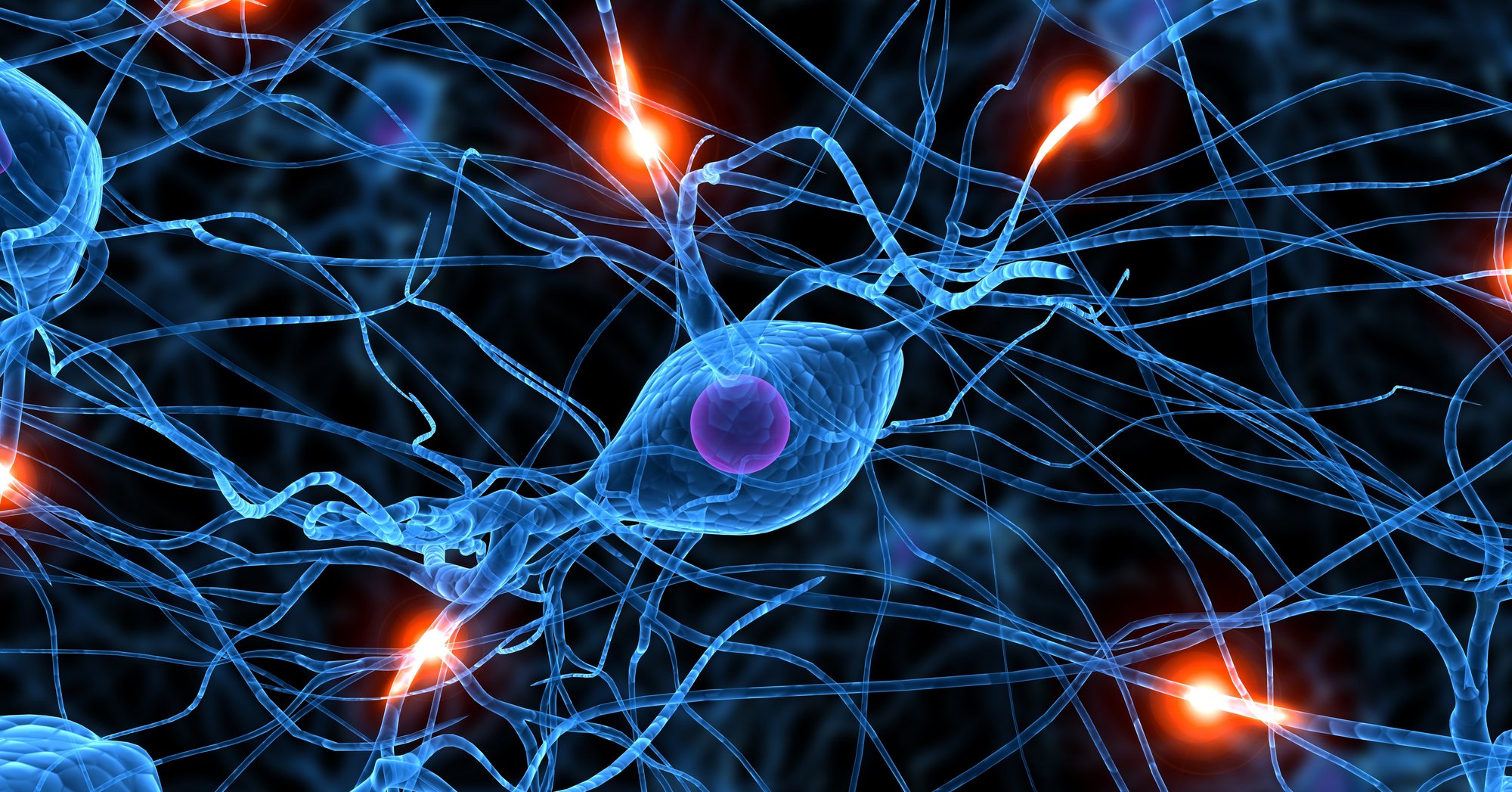
Parkinson’s disease is traditionally described as a brain disorder driven by the progressive loss of dopamine-producing neurons. This is what leads to the hallmark symptoms people recognize—tremors, stiffness, slowed movement.
But this definition is now outdated.
A growing body of research suggests that Parkinson’s may actually begin outside the brain, years—sometimes decades—before neurological symptoms appear. Increasingly, scientists are pointing to the gut, and more specifically the gut microbiome, as a potential starting point of the disease process [1][2].
This shift is not marginal. It is transforming how we understand early detection, disease progression, and even prevention.
One of the most overlooked aspects of Parkinson’s is how early it begins—and how subtle its first signals can be.
Long before tremors or motor symptoms appear, many patients experience persistent digestive issues. Chronic constipation, slowed intestinal transit, and gut discomfort are not secondary symptoms. In many cases, they are among the earliest detectable signs of the disease.
These symptoms can precede diagnosis by 10 to 20 years, suggesting that the disease process may already be active at the level of the gut long before the brain is affected [2][8].
This is one of the strongest clinical arguments supporting a gut-first model of Parkinson’s.
The gut microbiome refers to the trillions of microorganisms living in your digestive tract. Far from being passive, this ecosystem plays an active role in regulating inflammation, metabolism, immune function, and even brain activity.
Through what is known as the gut–brain axis, the microbiome communicates continuously with the central nervous system. This communication occurs via neural pathways such as the vagus nerve, but also through immune signaling and microbial metabolites that circulate throughout the body [3][4].
When the microbiome is balanced, it supports physiological stability. When it becomes imbalanced—a state known as dysbiosis—it can trigger systemic effects that extend far beyond the gut.
At the core of Parkinson’s disease lies a protein called alpha-synuclein.
Under normal conditions, alpha-synuclein is essential for neuronal communication. It helps regulate how neurons release neurotransmitters such as dopamine, ensuring proper signaling between brain cells [5].
However, in Parkinson’s disease, this protein undergoes a structural change. It misfolds, loses its functional configuration, and begins to aggregate into toxic clusters known as Lewy bodies. These aggregates disrupt neuronal function, trigger inflammation, and ultimately lead to cell death [6][7].
What makes alpha-synuclein particularly important is its ability to spread. Once misfolded, it can induce neighboring proteins to adopt the same abnormal structure, propagating the disease in a chain reaction across the nervous system. This mechanism is often described as “prion-like” [6].
One of the most compelling discoveries in recent years is that misfolded alpha-synuclein can be detected in the enteric nervous system—the network of neurons embedded in the gut—before it appears in the brain.
This observation has led to the “body-first” hypothesis. According to this model, Parkinson’s may originate in the gut, where environmental factors, microbial imbalance, and local inflammation trigger the initial misfolding of alpha-synuclein.
From there, the pathological protein may travel to the brain via the vagus nerve, progressively affecting key neurological structures [2][8].
This model is supported by epidemiological data showing that individuals who have undergone vagotomy—a surgical procedure that severs the vagus nerve—have a reduced risk of developing Parkinson’s disease [12].
Patients with Parkinson’s consistently show alterations in their gut microbiome. These changes include a reduction in beneficial bacteria that produce anti-inflammatory compounds and an increase in species associated with inflammation [9].
This imbalance has several consequences.
First, it compromises the integrity of the intestinal barrier, making it more permeable. This “leaky gut” state allows bacterial components such as lipopolysaccharides (LPS) to enter the bloodstream, triggering chronic low-grade inflammation.
Second, this inflammatory environment creates conditions that favor the misfolding and aggregation of alpha-synuclein.
In other words, dysbiosis does not simply coexist with Parkinson’s. It may actively contribute to its initiation and progression [10][11].
Beyond alpha-synuclein, the microbiome influences brain function through multiple biological pathways.
Microbial metabolites such as short-chain fatty acids regulate inflammation and support neuronal health. The microbiome also plays a role in the synthesis and modulation of neurotransmitters, including dopamine and serotonin.
At the same time, it can influence the activity of microglia—the immune cells of the brain—and affect mitochondrial function, which is critical for cellular energy production.
These mechanisms create a direct link between gut health and neurodegeneration.
This new understanding opens the door to entirely different therapeutic strategies.
Rather than focusing exclusively on the brain, researchers are now exploring how modifying the gut environment could influence disease progression. Nutritional interventions aimed at restoring microbial balance, along with targeted probiotics, are being investigated for their ability to reduce inflammation and improve symptoms.
More experimental approaches, such as fecal microbiota transplantation, are also under study, with early results suggesting potential benefits in selected cases [3][9].
At the same time, therapies targeting alpha-synuclein aggregation and propagation are advancing, reflecting its central role in the disease process.
Parkinson’s disease is no longer understood as a purely neurological disorder.
It is increasingly recognized as a systemic condition shaped by interactions between the gut, the microbiome, the immune system, and the brain. Alpha-synuclein acts as the molecular link between these systems, translating environmental and biological signals into neurodegenerative processes.
This shift has profound implications. It suggests that early detection may be possible years before neurological symptoms appear, and that interventions targeting the gut could play a role in slowing—or even preventing—the disease.
Understanding Parkinson’s today means understanding the gut–brain connection. And in that connection, the microbiome may be one of the most powerful levers we have yet to fully explore.
[1] Oliver et al., The gut–brain axis in early Parkinson’s disease, 2025
https://pmc.ncbi.nlm.nih.gov/articles/PMC12092510/
[2] Menozzi et al., The Gut–Brain Axis in Parkinson Disease, 2025
https://pmc.ncbi.nlm.nih.gov/articles/PMC12275011/
[3] Ran et al., Microbiota–gut–brain axis and Parkinson’s disease, 2025
https://pubmed.ncbi.nlm.nih.gov/39531191/
[4] Loh et al., Microbiota–gut–brain axis, Nature Reviews, 2024
https://www.nature.com/articles/s41392-024-01743-1
[5] Burré et al., Alpha-synuclein function, Nature Reviews Neuroscience
https://www.nature.com/articles/nrn3213
[6] Brundin et al., Prion-like propagation of protein aggregates, Nature Reviews Molecular Cell Biology
https://www.nature.com/articles/nrm3921
[7] Poewe et al., Parkinson disease, Nature Reviews Disease Primers
https://www.nature.com/articles/s41572-017-0002-2
[8] Braak et al., Staging of Parkinson’s disease
https://pubmed.ncbi.nlm.nih.gov/12498954/
[9] Jin et al., Gut microbiota dysbiosis in Parkinson’s disease, 2025
https://www.sciencedirect.com/science/article/pii/S2589004225024460
[10] Kustrimovic et al., Gut microbiota and neuroinflammation, 2024
https://www.mdpi.com/1422-0067/25/22/12164
[11] Sampson et al., Gut microbiota regulate motor deficits in Parkinson’s disease, Cell
https://www.cell.com/cell/fulltext/S0092-8674(16)31590-3
[12] Svensson et al., Vagotomy and Parkinson’s disease risk
https://pubmed.ncbi.nlm.nih.gov/26878819/