DIETARY SUPPLEMENTS
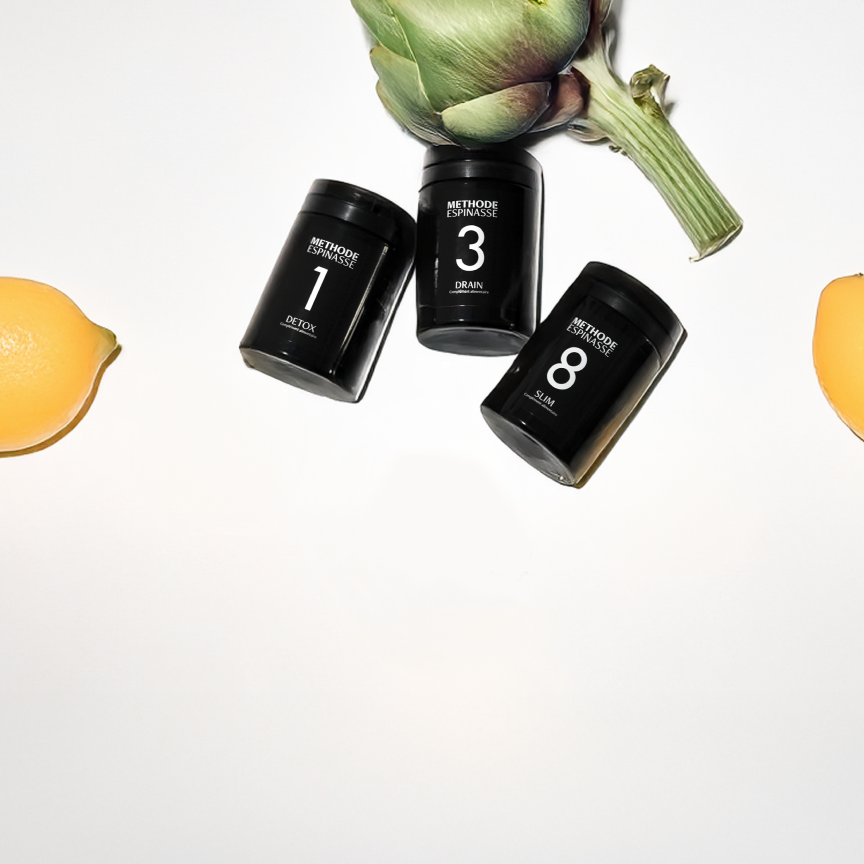
Découvrez 08 - Slim
Your ally for a slimmer figure and healthy weight

Journal

Premenstrual Syndrome (PMS) refers to a group of physical, emotional, and metabolic symptoms that occur in the days leading up to menstruation, typically 5 to 10 days before a period.
According to the Inserm, PMS affects approximately 30–40% of women of reproductive age.
PMS is not a disease — it is a functional imbalance reflecting how the body responds to hormonal fluctuations, particularly during the luteal phase of the menstrual cycle.
PMS symptoms vary widely but often include:
These symptoms reflect interactions between hormones, the nervous system, inflammation, and metabolism.
PMS is not simply caused by a “hormonal imbalance.”
Research indexed in PubMed shows that PMS is primarily linked to an increased sensitivity to normal hormonal fluctuations, rather than abnormal hormone levels.
After ovulation, progesterone rises and then drops sharply at the end of the cycle. This hormonal shift affects:
A key mechanism involves allopregnanolone, a metabolite of progesterone that acts on GABA-A receptors in the brain — which regulate stress, anxiety, and emotional stability.
In some women, this response is dysregulated, leading to:
This mechanism is well documented in severe PMS forms such as PMDD.
Yes.
Recent studies suggest that PMS is associated with low-grade inflammation and oxidative stress, which may contribute to:
PMS can therefore be understood as a cyclical inflammatory state, influenced by diet, stress, and lifestyle.
Yes — significantly.
The gut microbiome plays a central role in:
Emerging research shows that women with PMS may have altered gut microbiota composition, which can amplify both physical and emotional symptoms.
Yes. Clinically, PMS can present in different dominant patterns:
Identifying your profile is key to choosing the right strategy.
Yes — nutrition is a major lever.
Two key recommendations:
A stable, anti-inflammatory diet can significantly reduce PMS intensity.
Yes — when applied in a targeted, structured way.
Micronutrition works by addressing the underlying biological mechanisms involved in PMS:
Rather than masking symptoms, it helps restore systemic balance at the cellular level.
METHODE ESPINASSE is based on Cellular Nutrition® — a science-driven approach targeting the cellular mechanisms that regulate health.
OIL
1 capsule morning and evening, daily
Supports hormonal balance and inflammatory regulation.
Classic PMS
→ add HARMONY
1 morning and evening during PMS phase
Anxiety PMS
→ BALANCE
2 capsules at lunch
Water retention PMS
→ DRAIN
1–2 morning and evening
Craving PMS
→ BALANCE
2 at lunch
Depressive PMS
→ BALANCE
1 morning and 1 at dinner
No.
While PMS is common, its intensity is not fixed.
When the right mechanisms are addressed — hormonal, neurological, inflammatory, digestive, and metabolic — symptoms can be significantly reduced, and cycles can become more stable and comfortable.
You should seek professional guidance if:
A personalized approach allows for precise and effective intervention.
PMS is not something you have to endure.
It is a biological signal — and it can be understood, regulated, and improved with the right approach.
“You should no longer have to suffer from PMS — effective, natural solutions exist.” — Dr. Espinasse