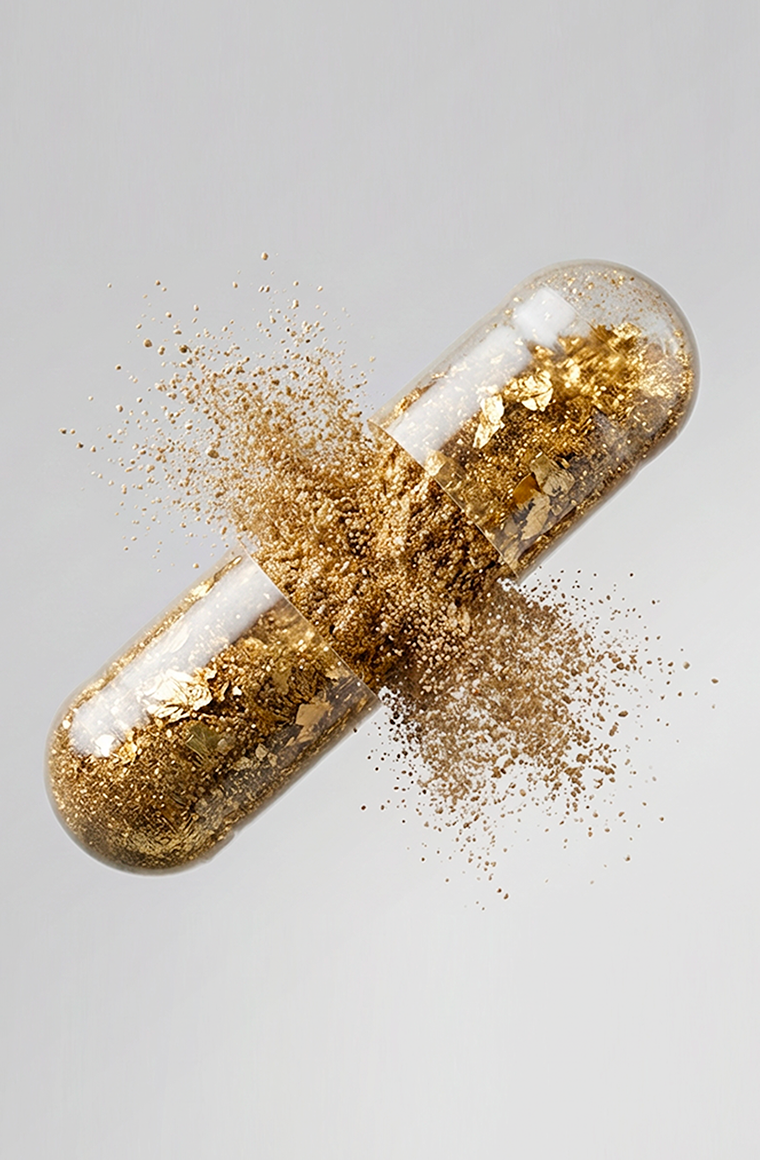
DIETARY SUPPLEMENTS

Découvrez 08 - Slim
Your ally for a slimmer figure and healthy weight

Journal

You’re eating the same.
Sometimes even less.
And yet, you’re gaining weight.
This isn’t rare. It’s not a lack of discipline. And it’s not just about calories.
Modern metabolic research is clear: weight gain is driven by how your body processes energy — not just how much you consume.
In other words:
it’s not about food alone.
It’s about your cells.
Why am I gaining weight without eating more?
You may be gaining weight due to:
— insulin resistance
— unstable blood sugar
— reduced metabolic flexibility
— gut microbiome imbalances
— chronic low-grade inflammation
These factors shift your body toward fat storage and reduce its ability to burn energy efficiently — even if your calorie intake hasn’t increased.
The traditional “calories in vs calories out” model is incomplete.
Two people can eat the same number of calories and experience completely different outcomes.
Why?
Because energy is regulated through biological systems, including:
— insulin signaling
— mitochondrial function
— nutrient sensing pathways (AMPK, mTOR)
— gut microbiome composition
— inflammatory status
When these systems are disrupted, your body becomes more efficient at storing fat — and less efficient at burning it [1][2].
Blood sugar instability is one of the most powerful — and overlooked — causes of weight gain.
Repeated glucose spikes trigger insulin release. Over time, this leads to insulin resistance, a condition where cells no longer respond properly to insulin.
When this happens:
— fat storage increases
— fat burning decreases
— hunger signals intensify
— cravings (especially sugar) become more frequent
This is why many people feel trapped in a cycle of cravings and fatigue — even when eating “clean” [3].
A healthy metabolism can switch between burning glucose and fat depending on availability.
This is called metabolic flexibility.
When it’s impaired:
— your body relies heavily on glucose
— fat oxidation decreases
— energy levels fluctuate
— fat loss becomes difficult
This condition is extremely common — and rarely addressed in traditional dieting approaches [2].
Your gut microbiome is not just about digestion.
It is a metabolic organ.
It influences:
— how many calories you extract from food
— how your body stores fat
— inflammation levels
— insulin sensitivity
Certain microbial profiles are associated with increased fat storage and metabolic dysfunction [4].
On the other hand, specific strains — such as Lactobacillus gasseri — have been shown in clinical studies to reduce abdominal fat and visceral fat accumulation [5].
Low-grade chronic inflammation interferes with nearly every metabolic pathway.
It reduces insulin sensitivity, impairs mitochondrial function, and promotes fat storage.
This inflammation is often driven by:
— poor metabolic health
— gut dysbiosis
— visceral fat
— dietary patterns
And it creates a biological environment where weight loss becomes significantly harder [6].
Most diets focus on restriction.
But they ignore the underlying biology.
As a result, the body adapts:
— metabolism slows down
— hunger hormones increase
— energy expenditure drops
— weight regain becomes likely
This is not failure.
It is physiology.
The Cellular Nutrition® protocol N°8 SLIM is designed to address the root causes of weight gain — at the cellular level.
Instead of targeting one pathway, it works across multiple systems:
— stabilizing blood sugar
— improving insulin sensitivity
— reducing sugar cravings
— activating AMPK (energy regulation)
— supporting gut microbiome balance
— enhancing metabolic flexibility
This integrated approach creates the conditions for sustainable fat loss, rather than temporary results.
Most weight loss supplements are reductionist.
They focus on one effect: appetite, thermogenesis, or water loss.
N°8 SLIM is different.
It is built on a systems-level understanding of metabolism — aligned with modern research in:
— cellular biology
— energy regulation
— gut–metabolism interactions
— inflammation
This is what allows it to target resistant weight gain, not just weight itself.
Fat loss does not start in the kitchen.
It starts in the cell.
When your metabolism is functioning properly:
— energy is used efficiently
— fat can be mobilized
— blood sugar remains stable
— cravings decrease naturally
The goal is not to force weight loss.
It is to restore the biology that makes it possible.
This is the foundation of the Cellular Nutrition® protocol N°8 SLIM.
Even with a healthy diet, weight gain can occur if your metabolism is dysregulated. Factors like insulin resistance, inflammation, and gut microbiome imbalances can promote fat storage independently of calorie intake.
Metabolic flexibility is your body’s ability to switch between burning carbohydrates and fat for energy. When impaired, fat burning becomes less efficient, making weight loss more difficult.
Yes. The gut microbiome influences energy extraction, fat storage, and inflammation. Certain bacterial profiles are associated with increased adiposity and metabolic dysfunction.
Frequent blood sugar spikes increase insulin levels, promoting fat storage and reducing fat burning. Over time, this can lead to insulin resistance and weight gain.
The most effective approach targets metabolic health at the cellular level — improving insulin sensitivity, stabilizing blood sugar, supporting mitochondrial function, and restoring metabolic flexibility.
Yes. By stabilizing blood sugar and supporting metabolic regulation, the Cellular Nutrition® protocol N°8 SLIM helps reduce cravings, particularly for sugar.
[1] López-Otín et al. Hallmarks of Aging. Cell. 2023.
https://pubmed.ncbi.nlm.nih.gov/36599349/
[2] Tomteelnganbee et al. Mitochondrial Function and Metabolism. Ageing Research Reviews. 2022.
https://pubmed.ncbi.nlm.nih.gov/35842501/
[3] Insulin Resistance Review.
https://pubmed.ncbi.nlm.nih.gov/29904145/
[4] Gut Microbiome and Metabolism. Nutrients.
https://pubmed.ncbi.nlm.nih.gov/33297486/
[5] Lactobacillus gasseri Study.
https://pubmed.ncbi.nlm.nih.gov/20216555/
[6] Chronic Inflammation Review.
https://pubmed.ncbi.nlm.nih.gov/30065258/