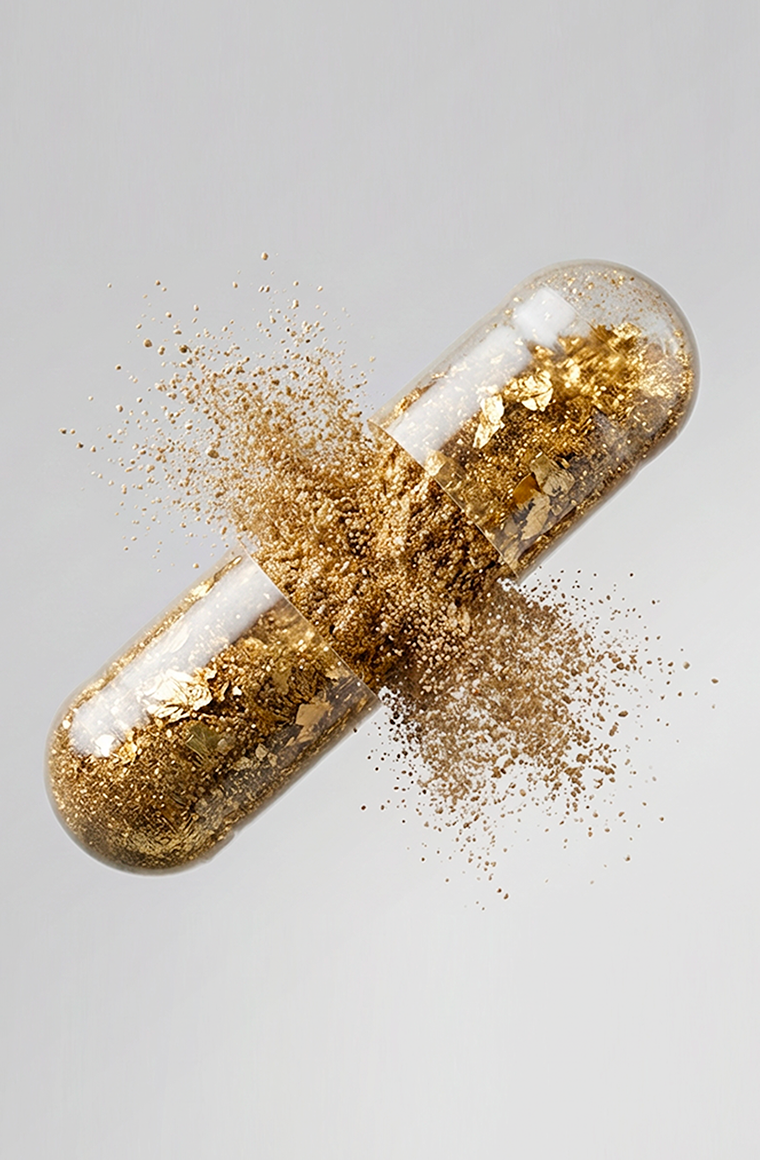
DIETARY SUPPLEMENTS

Découvrez 08 - Slim
Your ally for a slimmer figure and healthy weight

Journal

Immune health is one of the most discussed topics in modern wellness.
Yet surprisingly few people truly understand how the immune system works.
Many assume that the goal is simply to “boost immunity.”
The biological reality is far more complex.
The immune system is an extraordinarily sophisticated network of cells, tissues, signaling molecules, and specialized organs that continuously work together to protect the body against pathogens while maintaining internal balance and resilience [1].
Today, researchers know that immune function depends on multiple factors, including:
This is why supporting immunity is not about finding a miracle supplement. It is about helping multiple biological systems function optimally.
The answer is more nuanced than most people expect.
A strong immune system is not necessarily a more aggressive immune system.
The goal is not to overstimulate immunity.
The goal is to support a balanced and effective immune response.
An underperforming immune system may struggle to respond appropriately to infections, while an overactive immune system may contribute to excessive inflammation and immune dysfunction [3].
For this reason, researchers increasingly speak about immune regulation rather than immune stimulation.
The immune system consists of two major complementary branches.
Innate immunity acts as the body’s first line of defense.
It responds rapidly to potential threats.
Adaptive immunity develops more specialized responses.
It relies heavily on lymphocytes and other immune cells capable of recognizing specific pathogens and creating immunological memory [1].
Together, these systems allow the body to defend itself against a wide variety of challenges.
One of the most significant discoveries in modern immunology concerns the gut microbiome.
Researchers estimate that approximately 70% of immune cells are associated with the gastrointestinal tract [4].
The microbiome contributes to:
This discovery has fundamentally changed the way scientists think about immune health.
Today, supporting the gut microbiome is considered one of the most important foundations of immune resilience.
Absolutely.
Sleep plays a critical role in regulating immune function.
During sleep, the body activates numerous biological processes involved in:
Multiple studies have shown that insufficient sleep is associated with increased susceptibility to infections.
This relationship explains why sleep is now considered one of the strongest predictors of immune health.
Chronic stress directly influences immune function.
In the short term, certain stress responses may be beneficial.
However, prolonged stress alters multiple biological systems involving:
Over time, these changes can compromise the quality and efficiency of immune responses.
This is one reason why stress management is now considered an essential component of immune support.
Among the many nutrients investigated by researchers, several stand out because of their well-established role in immune function:
Their value lies in their ability to support normal immune function and help maintain the biological systems involved in immune defense.
In the next section, we will examine the supplements that have attracted the greatest scientific interest for supporting immunity and natural defenses.
Vitamin D is often associated with bone health.
Its biological role is far broader.
Researchers have discovered that many immune cells possess vitamin D receptors, highlighting its direct involvement in normal immune function [8].
Vitamin D contributes to:
Vitamin D insufficiency remains extremely common worldwide, particularly during the winter months and among individuals with limited sun exposure.
Zinc participates in hundreds of enzymatic reactions throughout the body.
It also plays a critical role in the immune system [9].
Research has shown that zinc contributes to:
Insufficient zinc intake has been associated with impaired immune responses and reduced resistance to certain infections.
Selenium is an essential trace mineral that receives less attention than vitamin D or zinc.
Nevertheless, it plays a fundamental role in several antioxidant defense systems.
Its importance in immune health stems largely from its contribution to protecting immune cells against oxidative damage [10].
Selenium also supports normal immune function and participates in multiple cellular defense mechanisms.
The growing interest in probiotics is directly linked to advances in microbiome research.
Scientists now understand that gut bacteria actively participate in immune regulation and development [4].
Certain probiotic strains are currently being investigated for their ability to:
Importantly, not all probiotics are the same.
The effects observed in scientific studies are highly strain-specific.
Recent research shows that the microbiome influences virtually every major stage of immune regulation.
It contributes to:
Its influence is so significant that many researchers now consider the microbiome a functional organ in its own right.
This perspective explains why modern immune-support strategies place such strong emphasis on gut health.
Polyphenols are naturally occurring compounds found in many fruits, vegetables, herbs, and plant foods.
Researchers have become increasingly interested in their potential influence on:
Among the most studied polyphenols are:
These compounds are attracting growing attention because they appear to influence several biological pathways associated with immune resilience.
Immunity and inflammation are closely interconnected.
A normal immune response often involves temporary inflammatory activation.
Problems arise when inflammation becomes chronic.
Researchers now understand that chronic low-grade inflammation can disrupt multiple aspects of immune function [13].
This discovery explains why modern approaches increasingly focus on immune balance rather than simply stimulating immune activity.
The immune system depends on a complex network of biological interactions.
Approaches centered around a single nutrient typically produce more limited results than comprehensive strategies.
Researchers increasingly focus on the interactions between:
This systems-based perspective now forms the scientific foundation of modern immune-support strategies.
For decades, immune health was often reduced to a simple objective: boosting immunity.
Modern science presents a far more sophisticated picture.
The goal is not to make the immune system more aggressive.
The goal is to help it function efficiently, appropriately, and in balance with the body’s needs.
This is precisely the approach that guides today’s most advanced strategies for immune resilience and preventive health.
One of the most common mistakes is searching for a supplement that can single-handedly strengthen the immune system.
Research shows that immune health depends on the continuous interaction between multiple biological systems.
The microbiome influences immunity.
Immunity influences inflammation.
Inflammation influences metabolism.
Sleep influences immune responses.
Stress influences the microbiome.
Because of this interconnected biology, the most effective strategies focus on supporting multiple mechanisms simultaneously rather than relying on a single nutrient.
Within the Cellular Nutrition® approach developed by Dr. Espinasse, IMMUN was formulated to support several biological mechanisms involved in normal immune function.
Its formulation combines carefully selected nutrients and bioactive compounds chosen for their relevance to immune health, microbiome balance, and cellular protection.
This approach aims to support:
The goal is not to overstimulate immunity but to help support its normal function and regulation.
Modern research shows that the gut microbiome is involved in virtually every major aspect of immune regulation [4].
A diverse and balanced microbiome contributes to:
This discovery explains why gut health has become one of the central pillars of immune resilience.
FLORA was developed to support gut microbiome balance.
Its formulation combines:
This approach aims to support:
From an immune perspective, maintaining a healthy microbiome is now considered one of the most scientifically supported strategies available.
Although immune health depends on many factors, certain micronutrients remain essential.
Among the most extensively studied are:
These nutrients contribute to:
A nutrient-dense, balanced diet remains the best foundation for meeting these needs.
Many people only begin thinking about immune health when they develop symptoms.
However, immune resilience is built every day through nutrition, sleep, physical activity, and gut health.
Sleep is one of the strongest regulators of immune function [5].
Chronic sleep deprivation can disrupt numerous defense mechanisms.
Chronic stress directly affects:
Managing stress is therefore a critical component of any immune-support strategy.
Current evidence clearly shows that the microbiome plays a central role in immune regulation.
Overlooking gut health means overlooking one of the most important determinants of immune resilience.
The Cellular Nutrition® approach developed by Dr. Espinasse is based on a simple principle: health begins at the cellular level.
Immune health is not viewed as an isolated system.
It is closely connected to:
This broader perspective allows for more coherent, personalized, and scientifically grounded health strategies.
Modern science shows that immunity depends on a complex balance involving the gut microbiome, micronutrients, sleep quality, stress management, physical activity, and nutrition.
Among the most researched nutrients for immune health are vitamin D, zinc, selenium, and specific probiotic strains.
However, current evidence suggests that no single nutrient can guarantee optimal immune function.
The most effective strategies are those that support multiple biological systems simultaneously and promote long-term physiological resilience.
Among the most researched nutrients are vitamin D, zinc, selenium, and certain probiotic strains [8,9,10,11].
Certain probiotic strains may help support microbiome balance and contribute to immune regulation [11].
The microbiome contributes to immune cell education, inflammation control, pathogen defense, and intestinal barrier integrity [4].
Vitamin D participates in multiple biological pathways involved in normal immune function [8].
Chronic stress influences cortisol regulation, inflammation, microbiome balance, and immune cell activity [6].
Researchers increasingly favor the concept of immune regulation rather than immune stimulation. The goal is to support a balanced and effective immune response [3].
Dr. Valérie Espinasse is a Doctor of Pharmacy, specialist in Predictive and Preventive Medicine, and expert in micronutrition.
For more than twenty years, she has helped patients optimize their health through an approach grounded in cellular biology, precision nutrition, functional medicine, and preventive healthcare.
Through her proprietary Cellular Nutrition® framework, Dr. Espinasse develops strategies designed to support the biological mechanisms involved in energy production, gut microbiome health, low-grade inflammation, metabolic resilience, and immune function.
Over the course of her career, she has supported more than 20,000 patients and conducted more than 15,000 advanced biological assessments.
[1] Chaplin DD. Overview of the Immune Response.
https://pubmed.ncbi.nlm.nih.gov/18653713/
[2] Childs CE et al. Diet and Immune Function.
https://pubmed.ncbi.nlm.nih.gov/32074246/
[3] Iwasaki A, Medzhitov R. Regulation of Innate Immunity.
https://pubmed.ncbi.nlm.nih.gov/17953498/
[4] Belkaid Y, Hand TW. Role of the Microbiota in Immunity and Inflammation.
https://pubmed.ncbi.nlm.nih.gov/23746809/
[5] Besedovsky L et al. Sleep and the Immune System.
https://pubmed.ncbi.nlm.nih.gov/24706567/
[6] Dhabhar FS. Effects of Stress on Immune Function.
https://pubmed.ncbi.nlm.nih.gov/28805466/
[7] Gombart AF et al. Micronutrients and Immune Function.
https://pubmed.ncbi.nlm.nih.gov/32074246/
[8] Aranow C. Vitamin D and the Immune System.
https://pubmed.ncbi.nlm.nih.gov/23306192/
[9] Read SA et al. The Role of Zinc in Antiviral Immunity.
https://pubmed.ncbi.nlm.nih.gov/25084145/
[10] Avery JC, Hoffmann PR. Selenium, Selenoproteins and Immunity.
https://pubmed.ncbi.nlm.nih.gov/24500929/
[11] Plaza-Diaz J et al. Mechanisms of Action of Probiotics.
https://pubmed.ncbi.nlm.nih.gov/27857721/
[12] Del Rio D et al. Polyphenols and Human Health.
https://pubmed.ncbi.nlm.nih.gov/26180591/
[13] Furman D et al. Chronic Inflammation in the Etiology of Disease Across the Life Span.
https://pubmed.ncbi.nlm.nih.gov/25458995/