DIETARY SUPPLEMENTS

Découvrez 08 - Slim
Your ally for a slimmer figure and healthy weight

Journal
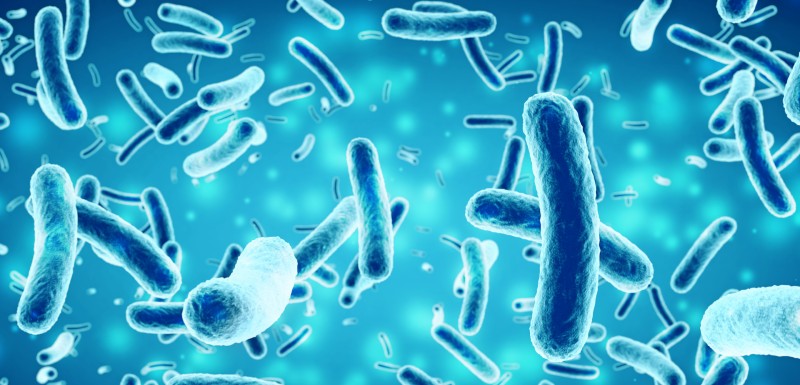
Research on the gut microbiome has expanded dramatically over the past decade. Yet despite these scientific advances, most gut health supplements are still built on an overly simplistic model: one ingredient, one effect.
This approach does not reflect biological reality.
The gut microbiome is not an isolated system. It is a dynamic ecosystem, continuously interacting with digestion, the intestinal barrier, the immune system, and metabolic regulation. It acts as an interface between external inputs—diet, stress, environment—and internal biological processes.
This is precisely why most “gut health” supplements fail to produce lasting results.
Approaches focused solely on introducing bacterial strains overlook a critical factor: the environment in which these microorganisms are expected to function.
A disrupted microbiome is not a neutral terrain. It is typically associated with incomplete digestion, impaired intestinal barrier function, and chronic low-grade inflammation. In this context, newly introduced bacteria face an unfavorable environment, limiting their ability to persist and exert meaningful effects.
Scientific data consistently show that many probiotic interventions have transient effects. While ingested strains may be temporarily detected, their long-term colonization depends heavily on the state of the host environment [1].
Two major factors are systematically overlooked:
— digestive efficiency (enzymatic activity, gastric acidity)
— intestinal barrier integrity (permeability, immune activation)
Incomplete digestion leads to the accumulation of undigested substrates in the gut, fueling fermentation and microbial imbalance. At the same time, a compromised intestinal barrier alters host–microbiome interactions, often triggering systemic immune responses.
Without addressing these dimensions, interventions remain partial and frequently ineffective.
Goal: restore diversity and stability
→ multi-strain probiotics (Lactobacillus, Bifidobacterium, Saccharomyces)
Goal: reduce fermentation and pathological substrates
→ digestive enzymes
→ optimized breakdown of proteins, fats, and carbohydrates
Goal: reduce permeability and inflammation
→ glutamine
→ support of enterocytes and tight junction integrity
Effective strategies do not rely on a single ingredient but on a synergistic approach targeting all three mechanisms simultaneously.
This is where integrative formulations emerge as significantly more effective—by addressing the entire gut–immunity–inflammation axis rather than isolated components.
N°4 FLORA has been formulated according to this integrative framework.
It is not a standard probiotic. It is a comprehensive protocol designed to restore a functional intestinal environment.
Its formulation combines:
— multi-strain probiotics selected for resilience and colonization potential
— digestive enzymes supporting optimal macronutrient breakdown
— L-glutamine, essential for intestinal barrier regeneration
This combination allows simultaneous action on:
— the microbiome (rebalancing bacterial populations)
— digestion (reducing fermentation, improving nutrient absorption)
— the intestinal barrier (reducing permeability, modulating immune response)
Scientific evidence highlights that:
— dysbiosis is closely linked to inflammation and increased intestinal permeability [2][3]
— digestive efficiency directly influences microbial balance
— glutamine plays a central role in maintaining intestinal barrier integrity [4]
Addressing the microbiome without addressing its environment leads to incomplete outcomes.
It is the coherence of the system—not the potency of a single ingredient—that determines effectiveness.
An integrative gut health approach typically leads to:
— reduced bloating and digestive discomfort
— improved bowel regularity
— better tolerance to foods
— reduction in low-grade inflammation
— indirect benefits on skin, metabolism, and energy levels
The question is not: “What is the best probiotic?” The real question is: “What system restores a functional microbiome?”
In 2026, the answer is clear: isolated approaches fail. Integrative approaches work.
Within this framework, the microbiome is no longer a target—it is a central entry point into overall health.
What are the best supplements for gut health in 2026?
The most effective gut health supplements are those that address multiple biological mechanisms simultaneously: microbiome balance, digestive function, and intestinal barrier integrity. Rather than relying on a single ingredient, such as probiotics alone, current research supports integrative approaches combining multi-strain probiotics, digestive enzymes, and nutrients like L-glutamine to restore a functional gut environment.
Do probiotics actually work?
Probiotics can be effective, but their impact depends on the condition of the gut environment. Studies show that many probiotic strains have a transient presence in the gut, meaning their long-term effects are limited if underlying issues—such as poor digestion or intestinal permeability—are not addressed. Their effectiveness increases significantly when combined with strategies that support digestion and the intestinal barrier.
How long does it take to restore gut health?
Gut health restoration varies depending on the level of imbalance. In mild cases, improvements in digestion and symptoms such as bloating can occur within a few weeks. However, deeper restoration of the microbiome and intestinal barrier may require several months of consistent nutritional and lifestyle interventions. Sustainable results depend on addressing the root causes, not just symptoms.
What are the signs of poor gut health?
Common signs of gut imbalance include:
— bloating and digestive discomfort
— irregular bowel movements (constipation or diarrhea)
— food sensitivities or intolerances
— fatigue and low energy
— skin issues (acne, eczema)
— mood disturbances (anxiety, brain fog)
These symptoms often reflect underlying dysbiosis, inflammation, or impaired intestinal barrier function.
What is the gut microbiome and why is it important?
The gut microbiome is a complex ecosystem of microorganisms living in the digestive tract. It plays a critical role in digestion, immune function, metabolism, and even brain health through the gut–brain axis. A balanced microbiome supports nutrient absorption, regulates inflammation, and contributes to overall health and longevity.
Can gut health affect weight and metabolism?
Yes. The gut microbiome directly influences how nutrients are processed, stored, and utilized. Research shows that certain microbial compositions are associated with increased fat storage, insulin resistance, and metabolic dysfunction. This means that two individuals eating the same diet may respond differently depending on their microbiome.
What is leaky gut and is it real?
“Leaky gut,” or increased intestinal permeability, refers to a condition where the intestinal barrier becomes compromised, allowing substances such as bacterial endotoxins (LPS) to enter the bloodstream. This can trigger systemic inflammation and is associated with metabolic disorders, immune dysfunction, and chronic disease. While the term is often oversimplified in popular media, the underlying mechanism is well documented in scientific literature.
What is the best way to improve gut health naturally?
Improving gut health requires a multi-factor approach:
— increasing dietary fiber and plant diversity
— reducing ultra-processed foods and sugar
— managing stress
— improving sleep quality
— supporting digestion and intestinal barrier function
Supplementation can be beneficial when it targets multiple mechanisms rather than a single pathway.
Are digestive enzymes necessary for gut health?
Digestive enzymes can be particularly useful when digestion is impaired. They help break down macronutrients more efficiently, reducing fermentation and gas production in the gut. By improving digestion, they also contribute to a healthier microbial environment, as fewer undigested substrates reach the colon.
What makes a gut supplement effective?
An effective gut supplement is not defined by the number of strains or ingredients, but by its ability to target the system as a whole. The most effective formulations combine:
— probiotics to rebalance the microbiome
— enzymes to support digestion
— nutrients such as glutamine to strengthen the intestinal barrier
This integrative approach aligns with current scientific understanding of gut health as a multi-layered biological system.
[1] Sender R., Fuchs S., Milo R.
Revised Estimates for the Number of Human and Bacteria Cells in the Body
PLOS Biology, 2016
https://doi.org/10.1371/journal.pbio.1002533
[2] Cani P.D. et al.
Metabolic Endotoxemia Initiates Obesity and Insulin Resistance
Diabetes, 2007
https://doi.org/10.2337/db06-1491
[3] Cryan J.F. et al.
The Microbiota-Gut-Brain Axis
Physiological Reviews, 2019
https://doi.org/10.1152/physrev.00018.2018
[4] Kim M.H., Kim H.
The Roles of Glutamine in the Intestine
Nutrients, 2017
https://doi.org/10.3390/nu9050521