DIETARY SUPPLEMENTS
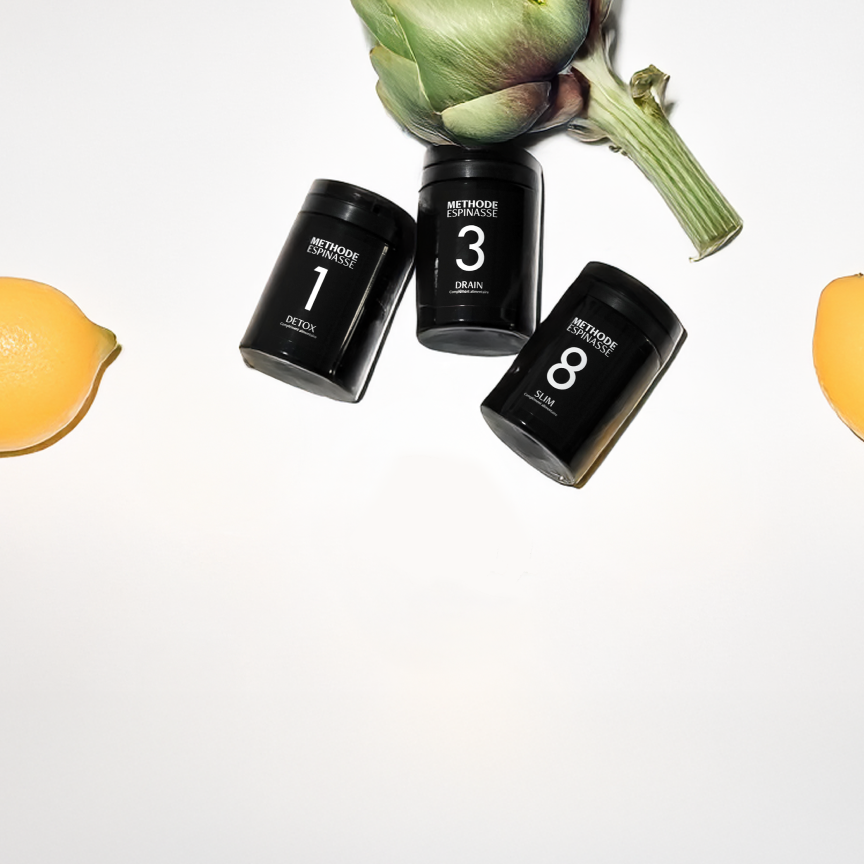
Découvrez 08 - Slim
Your ally for a slimmer figure and healthy weight

Journal

What if one of the keys to healthy aging were not simply making new cellular components, but becoming better at recycling what is damaged inside the cells we already have?
Our cells possess a remarkably sophisticated system for identifying, breaking down, and recycling components that are damaged, dysfunctional, or no longer needed.
Its name is autophagy.
Over the past several years, one naturally occurring molecule found both in the human body and in our diet has attracted growing scientific attention for its ability to influence this process:
spermidine.
Its name may sound unusual. So does its history: spermidine was originally identified in seminal fluid, which explains where the name came from. But spermidine is by no means specific to semen.
It is a naturally occurring polyamine found throughout human cells and in many foods, while its metabolism is also linked to the gut microbiome. It belongs to the same family of molecules as putrescine and spermine.
Over the past 15 years, spermidine has been increasingly studied for its potential links to autophagy, mitochondrial health, cardiovascular health, immunity, brain health, cellular aging, and longevity [1–3]. It is now also widely marketed in dietary supplements positioned around healthy aging and longevity.
But there is an essential difference between a fascinating biological mechanism and a proven benefit in humans.
Can taking spermidine actually help us age better?
To answer that question, we first need to look inside the cell.
The word autophagy comes from the Greek auto, meaning “self,” and phagein, meaning “to eat.”
Literally:
“self-eating.”
The term sounds dramatic, but the process is entirely physiological.
Cells constantly accumulate components that need to be renewed: damaged proteins, protein aggregates, and dysfunctional cellular structures or organelles. Autophagy allows cells to capture some of this material inside structures called autophagosomes, which subsequently fuse with lysosomes.
Lysosomes act as cellular degradation centers. They break down the material so that some of its building blocks can be reused by the cell.
In simplified terms:
CELLULAR MATERIAL TO REMOVE → AUTOPHAGOSOME → LYSOSOME → DEGRADATION → RECYCLING
Autophagy is therefore not a “cellular detox” in the wellness sense of the word.
It is a fundamental system of intracellular quality control, degradation, and recycling.
A cell must continuously maintain its internal balance.
Producing new molecules is essential. But removing and recycling damaged components is just as important.
When abnormal proteins, aggregates, or dysfunctional organelles accumulate, cellular function can gradually become impaired. In fact, disabled macroautophagy is now recognized as one of the Hallmarks of Aging, the major biological processes associated with aging [1].
As we age, different components of autophagy and cellular quality-control systems can become less efficient, depending on the tissue and biological context.
This has led to an important hypothesis in longevity science:
Maintaining functional autophagy may help preserve cellular homeostasis as we age.
And this is precisely where spermidine becomes interesting.
Spermidine belongs to a family of molecules known as polyamines. These small organic compounds are involved in numerous essential cellular processes, including cell growth and proliferation, protein synthesis, nucleic acid stability, cell signaling, and autophagy.
The human body has its own polyamine metabolism: it can synthesize, transform, and break down these molecules. But some of the spermidine available to us also comes from food and from interactions involving the gut microbiome [2,3].
Spermidine is therefore not a foreign substance artificially introduced into the human body.
It is already part of our biology.
Spermidine levels vary considerably depending on the food, its origin, processing, and fermentation. Foods commonly identified as dietary sources of spermidine include wheat germ, whole grains, legumes, certain mushrooms, soy and some soy products, nuts, seeds, certain vegetables, and aged cheeses [2].
This distinction becomes extremely important when interpreting human studies.
Eating a diet naturally rich in spermidine is not the same intervention as taking a concentrated spermidine supplement.
If people who consume more spermidine-rich foods appear healthier, that does not automatically mean spermidine alone is responsible—or that taking it in capsule form will reproduce the same effects.
One important mechanistic study showed that spermidine can promote autophagy in part by inhibiting the activity of an enzyme called EP300, an acetyltransferase involved in regulating numerous cellular proteins [4].
Acetylation is a chemical modification capable of altering how certain proteins behave. By influencing EP300 activity, spermidine can help create a molecular environment that favors autophagy [4].
Subsequent research has identified another particularly important mechanism involving two key players:
eIF5A and TFEB.
TFEB is a major transcription factor involved in regulating autophagy and lysosomal function. In simplified terms, it acts as one of the master regulators of the cellular program responsible for degradation and recycling.
To produce TFEB efficiently, cells rely in part on a protein called eIF5A.
And eIF5A has a remarkable feature: it must undergo a unique biological modification known as hypusination to function properly.
Spermidine provides the substrate required for this reaction.
The pathway can therefore be simplified as:
SPERMIDINE → eIF5A HYPUSINATION → TFEB TRANSLATION → AUTOPHAGY + LYSOSOMAL FUNCTION
Research published in Molecular Cell demonstrated the importance of this pathway in immune aging. In aged B cells, lower spermidine availability was associated with impaired eIF5A–TFEB signaling and reduced autophagy. In the experimental models studied, spermidine supplementation was able to restore aspects of these mechanisms [5].
This is an important distinction.
Spermidine is not simply another “antioxidant.”
It is involved in fundamental pathways regulating cellular maintenance and recycling.
The relationship between spermidine and fasting is particularly intriguing.
Fasting and caloric restriction profoundly alter cellular metabolism and can stimulate autophagy. Recent research suggests that an increase in endogenous spermidine production is actually part of this biological response [6].
Researchers observed increased spermidine biosynthesis following different fasting or caloric-restriction protocols across several species, with observations also extending to humans. In experimental models, blocking spermidine synthesis reduced fasting-induced autophagy [6].
The spermidine → eIF5A → TFEB → autophagy axis therefore appears to participate in some of the cellular mechanisms activated by nutrient restriction.
But this does not mean:
taking spermidine = fasting.
Fasting produces a much broader range of metabolic adaptations.
Not exactly.
mTOR — mechanistic Target Of Rapamycin — is one of the cell’s major nutrient- and energy-sensing systems. When nutrients and energy are abundant, mTOR signaling promotes processes such as cellular growth and biosynthesis. When certain components of mTOR signaling are suppressed, autophagy can be favored.
This is one reason rapamycin, an mTOR inhibitor, has become such an important molecule in aging and longevity research.
Spermidine, however, should not simply be thought of as a “natural rapamycin.” It can influence autophagy through mechanisms that extend beyond direct mTOR inhibition, including EP300 and the eIF5A–TFEB axis [4–6].
Recent research even suggests that endogenous spermidine production may contribute to some of the pro-autophagic effects associated with rapamycin in experimental models [6].
The broader lesson is important: autophagy, mTOR, energy metabolism, and polyamine metabolism are interconnected biological networks, not isolated longevity switches.
Mitochondria generate much of the energy used by our cells, but they do not remain perfectly functional forever. They can accumulate damage, experience oxidative stress, and lose efficiency over time.
Cells therefore possess a mechanism for selectively removing certain dysfunctional mitochondria:
mitophagy.
Mitophagy is a specialized form of autophagy.
In simplified terms:
DAMAGED MITOCHONDRION → AUTOPHAGOSOME → LYSOSOME → DEGRADATION / RECYCLING
Maintaining mitochondrial quality control is particularly important in tissues with high energy demands, including the heart, skeletal muscle, and brain.
Several preclinical studies suggest that spermidine’s effects on autophagy are closely connected to the maintenance of mitochondrial function [2,7].
In 2016, a study published in Nature Medicine helped propel spermidine into mainstream longevity research [7].
In mice, oral spermidine supplementation was associated with longer lifespan, reduced cardiac hypertrophy, improved diastolic function, increased cardiac autophagy and mitophagy, and improvements in mitochondrial respiration [7].
But one of the most revealing experiments involved a protein called ATG5, which is essential for normal autophagy.
Researchers used mice with Atg5 specifically disrupted in cardiomyocytes, the muscle cells of the heart. In these animals, spermidine no longer produced the same cardioprotective effects [7].
This is mechanistically important because it goes beyond showing that spermidine and autophagy occur at the same time.
It suggests that, in this model, functional autophagy is required for an important part of spermidine’s cardiovascular effects.
In several model organisms, lifespan extension has indeed been observed. Effects have been reported in organisms including yeast, worms, flies, and mice, with autophagy playing a major role in several of these models [2].
This is one reason spermidine is sometimes described as a potential geroprotector—a compound that may influence biological mechanisms involved in aging.
But the distinction is fundamental:
Extending lifespan in a model organism does not mean extending human lifespan.
To date, no clinical trial has demonstrated that spermidine supplementation increases human lifespan.
Human data are particularly interesting because they tell a much more nuanced story than the preclinical experiments.
A prospective population-based study involving 829 adults found that higher dietary spermidine intake was associated with lower mortality during follow-up [8].
A much larger analysis using U.S. NHANES data from 23,894 participants also found an association between higher dietary spermidine intake and lower all-cause and cardiovascular mortality [9].
These findings are intriguing.
But they do not demonstrate that:
spermidine makes people live longer.
People who consume more dietary spermidine may also eat more legumes, whole grains, vegetables, nuts, and other foods associated with healthier dietary patterns. Even sophisticated statistical adjustment cannot completely eliminate these potential confounding factors.
Association is not causation.
To determine whether spermidine itself produces a measurable benefit, we need randomized controlled trials.
The brain quickly became one of the major areas of spermidine research.
In preclinical models, spermidine has been investigated for potential effects involving autophagy, mitochondrial function, neuroinflammation, memory, and neuroprotection [2,10].
A small randomized pilot study involving 30 adults ages 60 to 80 with subjective cognitive decline initially produced an encouraging signal after three months of supplementation. Certain measures of memory performance appeared to improve in the group receiving a spermidine-rich supplement [11].
Promising?
Yes.
Conclusive?
No.
Thirty participants are not enough to establish a clinical benefit. The hypothesis therefore needed to be tested in a larger, longer, placebo-controlled trial.
That trial was:
SmartAge.
SmartAge was a randomized, double-blind, placebo-controlled clinical trial conducted over 12 months in 100 adults ages 60 to 90 with subjective cognitive decline [12].
Participants received either a wheat-germ extract providing 0.9 mg of spermidine per day or a placebo.
The primary endpoint focused on:
memory performance.
The result matters:
Spermidine supplementation did not significantly improve the primary cognitive outcome compared with placebo [12].
The main secondary outcomes also failed to show a significant overall benefit. Some exploratory signals were observed, including findings involving verbal memory and inflammatory parameters, but exploratory findings cannot turn a trial that missed its primary endpoint into a positive trial.
That question is still too broad.
What SmartAge specifically tells us is that at 0.9 mg per day for 12 months, in this population and for this cognitive endpoint, spermidine did not significantly outperform placebo [12].
That does not mean spermidine has no biological activity. The dose was relatively low, the study population was highly specific, and autophagy itself is notoriously difficult to measure directly in humans.
But the opposite conclusion would be equally misleading: impressive findings in mice cannot be used to present spermidine as a clinically proven anti-aging supplement in humans.
The more useful question is therefore:
Can we demonstrate in humans that spermidine actually affects autophagy and specific biological mechanisms associated with aging?
A randomized trial published in 2026, using a higher dose of 6 mg per day for 13 weeks in adults over 65, has now provided new data involving autophagy, TFEB, immune senescence, and immune function [13].
This is probably the most important question in the entire discussion.
Cell and animal studies provide compelling evidence that spermidine can influence autophagy. Demonstrating the same effect in humans, however, is considerably more difficult.
In 2026, a small randomized, double-blind, placebo-controlled trial provided particularly interesting new evidence. The study included 40 adults over age 65, who received either placebo or 6 mg of spermidine per day for 13 weeks following their third SARS-CoV-2 vaccination [13].
The researchers were particularly interested in immune aging, or immunosenescence. As the immune system ages, B and T cells undergo functional changes, certain immune responses become less effective, and cellular processes such as autophagy can become impaired.
Among participants who initially responded poorly to vaccination, researchers identified a biological signature that included higher p16 expression, increased mTOR activity, and greater DNA damage measured by γ-H2AX in lymphocytes [13].
After spermidine supplementation, several of these parameters changed. Single-cell RNA sequencing of B cells revealed increased expression of TFEB-dependent autophagy-related genes, alongside evidence consistent with increased autophagic flux [13].
This matters because we are no longer looking exclusively at cells in a dish or experiments in mice.
A biological signal consistent with enhanced autophagy was observed in older adults who actually consumed spermidine.
But this was still a pilot study involving only 40 participants. The results are encouraging, not definitive evidence that spermidine slows human aging.
“Rejuvenate” would be too strong a word.
But the 2026 study does provide an intriguing signal.
Among participants who initially responded poorly to vaccination, spermidine supplementation was associated with improvements in several measures of immune response, including Spike-specific IgG secretion, memory B-cell responses, and neutralizing antibody activity [13].
Importantly, the effect appeared particularly relevant among the initial non-responders, rather than producing a uniform boost in immunity across every participant.
This points toward an increasingly important concept in longevity research: an intervention may have the greatest effect when the biological pathway it targets is actually impaired.
The question may therefore not simply be:
“Does spermidine work?”
It may be:
“For whom, on which biological pathway, and under what conditions does spermidine work?”
Aging is frequently associated with persistent, low-grade inflammation known as inflammaging.
This is not the acute inflammation triggered by an infection or injury. It is a more subtle alteration of the body’s inflammatory environment that can develop with age.
Autophagy, immunosenescence, mitochondrial function, and inflammation are deeply interconnected. Impaired autophagy can disrupt the removal of damaged cellular components and influence immune signaling.
Preclinical evidence suggests that spermidine can affect several of these mechanisms [2,3]. But we do not yet have sufficient evidence to conclude that spermidine supplementation reduces inflammaging throughout the human body or slows aging through this mechanism.
This is an especially interesting question at the intersection of longevity and beauty.
Skin cells also depend on effective quality-control systems, autophagy, and cellular renewal. With age and UV exposure, dermal fibroblasts can undergo functional changes, accumulate features of cellular senescence, and alter their production of extracellular matrix components.
An experimental study using aged human dermal fibroblasts found that spermidine reduced SA-β-gal activity, a marker commonly associated with cellular senescence, while increasing the expression of COL1A1 and COL3A1, genes associated with type I and type III collagen [14].
In cells experimentally aged through UV exposure, researchers also reported that spermidine partially restored the expression of genes related to collagen, elastin, and fibrillin [14].
These findings are intriguing, particularly for the emerging field of skin longevity.
But they need to be interpreted correctly.
They are primarily cellular and mechanistic findings. They do not demonstrate that taking a spermidine supplement increases collagen production in human skin.
We currently lack a large randomized clinical trial showing that oral spermidine supplementation significantly:
reduces wrinkles, improves skin elasticity, increases dermal collagen, or clinically reverses skin aging.
Spermidine is therefore an interesting candidate in skin longevity research.
It is not a clinically proven skin-rejuvenation treatment.
Hair follicles are highly dynamic mini-organs whose cells undergo rapid cycles of growth, regression, and renewal. Polyamines appear to play an important role in this biology.
In cultured human scalp hair follicles, spermidine increased hair-shaft elongation and prolonged the active growth stage of the hair cycle known as the anagen phase [15]. Researchers also observed changes in biological parameters related to epithelial stem-cell function.
A subsequent randomized, double-blind, placebo-controlled study investigated a spermidine-based nutritional supplement in 100 healthy men and women for 90 days [16].
Researchers reported an increase in follicles in anagen stages V–VI, together with increased expression of Ki-67, a marker of cellular proliferation, and decreased c-Kit expression in hair bulbs. These changes differed significantly from placebo [16].
This provides an interesting human signal suggesting an effect on the hair-growth cycle.
However, the evidence remains preliminary. Spermidine should not currently be considered an established treatment for hair loss or alopecia.
Not necessarily.
This is one of the classic traps of molecular nutrition: assuming that a biological pathway behaves like a volume dial.
If some spermidine activates autophagy, more must activate it even more.
Human biology rarely works that way.
A randomized, placebo-controlled pharmacokinetic study published in 2023 gave 15 mg of spermidine per day for five days to 12 healthy adults [17].
Surprisingly, plasma spermidine levels did not significantly increase.
Instead, researchers observed an increase in:
spermine.
This suggests that some ingested spermidine may be metabolized or converted before appearing in the systemic circulation [17].
Another randomized trial published in 2024 used a considerably higher dose of 40 mg per day for 28 days in men ages 50 to 70. Again, changes in circulating polyamine concentrations remained limited [18].
The body therefore appears to exert substantial control over polyamine homeostasis.
Taking a spermidine capsule does not necessarily mean:
more free spermidine circulating in the bloodstream.
And blood levels may not necessarily tell us exactly what is happening within individual tissues.
We do not currently know.
Human clinical trials have investigated widely different amounts, including approximately 0.9 mg/day for 12 months in SmartAge [12], 6 mg/day for 13 weeks in the immune-aging study [13], 15 mg/day for five days in a pharmacokinetic study [17], and 40 mg/day for 28 days in an exploratory safety trial [18].
These studies used different formulations, populations, durations, and endpoints.
It would therefore be scientifically incorrect to conclude:
“The optimal spermidine dosage for anti-aging is X mg per day.”
No evidence-based anti-aging dose has yet been established.
At the doses and durations studied so far, the available human trials provide a relatively reassuring short-term safety picture.
In the 2026 study, 6 mg/day for 13 weeks was well tolerated in adults over 65 [13]. In the higher-dose exploratory study, 40 mg/day for 28 days in 37 men ages 50 to 70 did not produce significant differences in major clinical, hematological, or biochemical safety parameters compared with placebo, and no adverse events were attributed to the intervention [18].
But there is an important difference between:
“No major safety signal was detected over several weeks or months”
and:
“Long-term safety has been established for everyone.”
We still lack robust long-term data, particularly for higher-dose spermidine supplementation and for people with specific medical conditions.
This is an area where nuance is especially important.
Polyamines are essential for normal cell growth and proliferation. But polyamine metabolism is also altered in many cancers, and some tumor cells have particularly high polyamine requirements [19].
At the same time, preclinical studies suggest that spermidine may exert certain antitumor effects through mechanisms involving autophagy and immune surveillance [19].
The biology is therefore complex.
Current evidence does not justify either of the simplistic claims:
“Spermidine feeds cancer.”
or:
“Spermidine prevents cancer.”
Until clinical studies provide clearer answers in specific cancer settings, concentrated spermidine supplementation in someone with active cancer should be discussed with the treating medical team rather than self-prescribed for longevity purposes.
No.
This is one of the most important distinctions in the entire article.
The observational studies associating higher spermidine intake with lower mortality primarily concern:
dietary spermidine [8,9].
That means participants were consuming foods naturally containing spermidine—but also fiber, vitamins, minerals, polyphenols, and thousands of other bioactive compounds.
Supplementation trials attempt to isolate the question of spermidine more directly.
And so far, their results have been:
far more mixed.
This leaves us with a familiar pattern in nutritional science: the epidemiology is intriguing, the biological mechanisms are compelling, the animal studies can be impressive, but definitive clinical evidence in humans remains incomplete.
The term is increasingly used in longevity science.
And it has a genuine biological basis.
Fasting can increase endogenous spermidine biosynthesis, and this increase appears to participate in fasting-induced autophagy in several experimental models [6].
But describing spermidine as a fasting mimetic does not mean it reproduces everything fasting does.
Fasting simultaneously influences glucose, insulin, fatty acids, ketone bodies, AMPK, mTOR, circadian metabolism, and numerous other signaling pathways.
Spermidine represents only one part of that complex biological response.
Taking spermidine is not the same as fasting.
Not literally.
The expression “cellular cleanup” is a useful metaphor for understanding autophagy, but it can quickly become misleading.
Autophagy does not indiscriminately flush “toxins” out of cells. It encompasses tightly regulated biological processes that degrade and recycle selected intracellular components.
Spermidine can influence these pathways.
That does not mean it:
“detoxifies your cells.”
A scientifically more accurate statement would be:
Spermidine is a naturally occurring polyamine capable of modulating pathways involved in autophagy and cellular homeostasis.
In humans:
This has not been demonstrated.
We now have a fascinating body of evidence: lifespan extension in several experimental models, well-described autophagy mechanisms, observational associations between dietary intake and mortality, and emerging human signals involving autophagy and immune function.
But no clinical evidence currently demonstrates that spermidine supplementation:
And this is precisely what makes spermidine scientifically interesting: the biology is ahead of the medicine.
Spermidine is a naturally occurring polyamine found in the human body and in food. It plays a role in multiple cellular processes and can promote autophagy through mechanisms involving EP300 and the eIF5A–TFEB axis [4–6].
In animal models, spermidine has produced particularly interesting effects involving lifespan, cardiovascular function, mitochondrial quality control, and autophagy [7]. In humans, higher dietary spermidine intake has been associated with lower mortality in observational research, but these studies cannot establish causality [8,9].
Randomized clinical trials provide a more nuanced picture. SmartAge did not significantly improve its primary cognitive endpoint after 0.9 mg/day of spermidine for 12 months [12]. In contrast, a small 2026 trial using 6 mg/day reported changes consistent with increased autophagy and improvements in certain immune responses in older adults, particularly among participants who initially responded poorly to vaccination [13].
Spermidine is therefore best described today as:
a biologically compelling molecule that remains under clinical investigation.
Spermidine is a naturally occurring polyamine produced by the body, found in food, and linked to gut microbial metabolism. It participates in numerous cellular processes, including the regulation of autophagy.
Autophagy is an intracellular degradation and recycling system. It helps cells remove selected damaged or unnecessary components and reuse some of their building blocks.
Mechanistic and animal studies clearly demonstrate pro-autophagic activity in several experimental models [4–7]. A small randomized human trial published in 2026 also reported increased autophagy-related molecular signatures and autophagic flux in B cells following spermidine supplementation [13].
Dietary sources include wheat germ, whole grains, legumes, soy and certain soy products, mushrooms, nuts, seeds, certain vegetables, and aged cheeses [2].
Spermidine has extended lifespan in several experimental organisms [2,7].
It has not been shown to extend human lifespan.
Preclinical findings are interesting, but SmartAge—the major 12-month randomized clinical trial—did not demonstrate a significant improvement in its primary cognitive endpoint [12].
Cell studies suggest effects on senescence-associated markers and the expression of genes related to collagen, elastin, and fibrillin [14]. However, robust clinical evidence showing that oral spermidine reduces wrinkles or rejuvenates human skin is currently lacking.
A randomized study involving 100 participants reported favorable changes in the anagen growth phase of the hair cycle following supplementation [16]. The evidence remains preliminary and does not establish spermidine as a treatment for alopecia.
There is currently no scientifically established optimal spermidine dose for longevity or anti-aging. Human studies have tested substantially different doses, formulations, and durations.
No. Spermidine appears to participate in certain autophagy-related mechanisms activated during fasting [6], but it does not reproduce the full metabolic response to fasting.
Spermidine is widely marketed for healthy aging and longevity, but it has not been clinically demonstrated to slow human aging. Current evidence supports biological plausibility and continued research rather than a proven anti-aging effect.
The answer is now more interesting than a simple yes or no.
Yes, spermidine can influence autophagy.
We know several molecular mechanisms that help explain this effect. We also know that these pathways can influence mitochondrial quality control, immune function, and tissue homeostasis in experimental models.
And human research is beginning to move beyond association. Recent clinical data suggest that spermidine supplementation can influence biological parameters directly related to autophagy [13].
But we still do not know whether this is enough to:
slow human aging.
That distinction is fundamental.
Understanding a biological mechanism is not the same as demonstrating a meaningful clinical outcome.
Spermidine perfectly illustrates the new science of longevity. Rather than simply asking what we can add to the body, researchers are increasingly investigating how we might influence the systems cells already use to maintain, repair, recycle, and renew themselves.
Autophagy sits at the center of that conversation.
So perhaps the next question in longevity science is not simply:
How can we make more?
But:
How can we recycle better?
[1] López-Otín C, Blasco MA, Partridge L, Serrano M, Kroemer G. Hallmarks of Aging: An Expanding Universe. Cell. 2023;186(2):243–278. DOI: 10.1016/j.cell.2022.11.001.
URL: https://pubmed.ncbi.nlm.nih.gov/36599349/
[2] Madeo F, Eisenberg T, Pietrocola F, Kroemer G. Spermidine in health and disease. Science. 2018;359(6374). DOI: 10.1126/science.aan2788.
URL: https://pubmed.ncbi.nlm.nih.gov/29371440/
[3] Madeo F, Hofer SJ, Pendl T, et al. Nutritional Aspects of Spermidine. Annual Review of Nutrition. 2020;40:135–159. DOI: 10.1146/annurev-nutr-120419-015419.
URL: https://pubmed.ncbi.nlm.nih.gov/?term=Nutritional+Aspects+of+Spermidine
[4] Pietrocola F, Lachkar S, Enot DP, et al. Spermidine induces autophagy by inhibiting the acetyltransferase EP300. Cell Death & Differentiation. 2015;22:509–516. DOI: 10.1038/cdd.2014.215.
URL: https://pubmed.ncbi.nlm.nih.gov/?term=Spermidine+induces+autophagy+by+inhibiting+the+acetyltransferase+EP300
[5] Zhang H, Alsaleh G, Feltham J, et al. Polyamines Control eIF5A Hypusination, TFEB Translation, and Autophagy to Reverse B Cell Senescence. Molecular Cell. 2019;76(1):110–125.e9. DOI: 10.1016/j.molcel.2019.08.005.
URL: https://pubmed.ncbi.nlm.nih.gov/?term=Polyamines+Control+eIF5A+Hypusination+TFEB+Translation+Autophagy
[6] Hofer SJ, et al. Spermidine is essential for fasting-mediated autophagy and longevity. Nature Cell Biology. 2024.
URL: https://pubmed.ncbi.nlm.nih.gov/?term=Spermidine+essential+fasting+autophagy+longevity
[7] Eisenberg T, Abdellatif M, Schroeder S, et al. Cardioprotection and lifespan extension by the natural polyamine spermidine. Nature Medicine. 2016;22:1428–1438. DOI: 10.1038/nm.4222.
URL: https://pubmed.ncbi.nlm.nih.gov/?term=Cardioprotection+and+lifespan+extension+natural+polyamine+spermidine
[8] Kiechl S, Pechlaner R, Willeit P, et al. Higher spermidine intake is linked to lower mortality: a prospective population-based study. American Journal of Clinical Nutrition. 2018;108(2):371–380.
URL: https://pubmed.ncbi.nlm.nih.gov/29955838/
[9] Fan J, et al. Association of dietary spermidine with all-cause and cardiovascular mortality in US adults: NHANES data. 2022.
URL: https://pubmed.ncbi.nlm.nih.gov/36249217/
[10] Schroeder S, Hofer SJ, Zimmermann A, et al. Dietary spermidine improves cognitive function. Cell Reports. 2021;35(2):108985.
URL: https://pubmed.ncbi.nlm.nih.gov/?term=Dietary+spermidine+improves+cognitive+function
[11] Wirth M, Benson G, Schwarz C, et al. The effect of spermidine on memory performance in older adults at risk for dementia: a randomized controlled trial. Cortex. 2018;109:181–188.
URL: https://pubmed.ncbi.nlm.nih.gov/?term=spermidine+memory+performance+older+adults+Cortex+2018
[12] Schwarz C, Benson GS, Horn N, et al. Effects of Spermidine Supplementation on Cognition and Biomarkers in Older Adults With Subjective Cognitive Decline: A Randomized Clinical Trial. JAMA Network Open. 2022;5(5). DOI: 10.1001/jamanetworkopen.2022.13875.
URL: https://pubmed.ncbi.nlm.nih.gov/35616942/
[13] Alsaleh G, et al. Spermidine Mitigates Immune Cell Senescence and Boosts Vaccine Responses in Healthy Older Adults—A Pilot Study. Aging Cell. 2026. DOI: 10.1111/acel.70545.
URL: https://pubmed.ncbi.nlm.nih.gov/42169618/
[14] Kim G, et al. Spermidine-induced recovery of human dermal structure and barrier function by skin microbiome. 2021.
URL: https://pmc.ncbi.nlm.nih.gov/articles/PMC7895926/
[15] Ramot Y, Tiede S, Bíró T, et al. Spermidine promotes human hair growth and is a novel modulator of human epithelial stem cell functions. PLoS ONE. 2011;6(7). DOI: 10.1371/journal.pone.0022564.
URL: https://journals.plos.org/plosone/article?id=10.1371/journal.pone.0022564
[16] Rinaldi F, Pinto D, Marzani B, et al. A spermidine-based nutritional supplement prolongs the anagen phase of hair follicles in humans: a randomized, placebo-controlled, double-blind study. 2017.
URL: https://pmc.ncbi.nlm.nih.gov/articles/PMC5718121/
[17] Senekowitsch S, Wietkamp E, Grimm M, et al. High-Dose Spermidine Supplementation Does Not Increase Spermidine Levels in Blood Plasma and Saliva of Healthy Adults: A Randomized Placebo-Controlled Pharmacokinetic and Metabolomic Study. Nutrients. 2023;15(8):1852. DOI: 10.3390/nu15081852.
URL: https://pubmed.ncbi.nlm.nih.gov/37111071/
[18] Supplementation of spermidine at 40 mg/day has minimal effects on circulating polyamines: An exploratory double-blind randomized controlled trial in older men. Nutrition Research. 2024. PMID: 39405978.
URL: https://pubmed.ncbi.nlm.nih.gov/39405978/
[19] Holbert CE, Cullen MT, Casero RA Jr, Stewart TM. Polyamines in cancer: integrating organismal metabolism and antitumour immunity. Nature Reviews Cancer. 2022;22:467–480. DOI: 10.1038/s41568-022-00473-2.
URL: https://www.nature.com/articles/s41568-022-00473-2