DIETARY SUPPLEMENTS
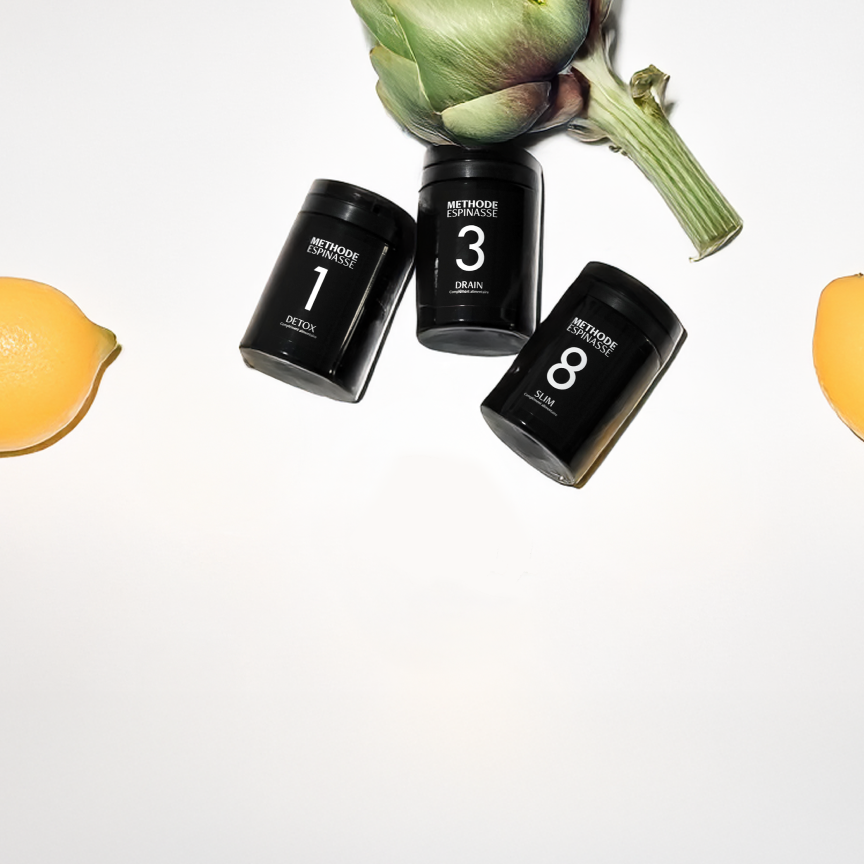
Découvrez 08 - Slim
Your ally for a slimmer figure and healthy weight

Journal
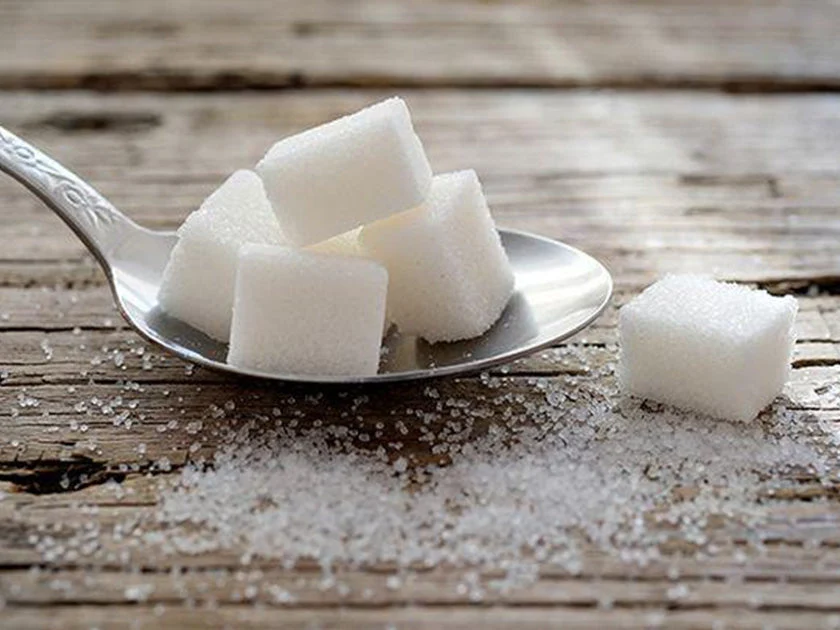
Glycation, advanced glycation end products, collagen, elastin, and skin aging: understanding how reactions between sugars and proteins gradually change the skin’s structure, and which nutritional strategies may help limit these effects.
Skin aging is not determined by age, genetics, or sun exposure alone. It also involves biochemical reactions that gradually alter the proteins responsible for the skin’s structure and mechanical properties.
Among these mechanisms, glycation has become an increasingly important area of research in skin aging.
Glycation is a nonenzymatic chemical reaction between certain sugars or sugar-derived compounds and biological molecules, particularly proteins.
In the skin, glycation is especially relevant to collagen and elastin, two essential components of the dermal extracellular matrix.
Over time, some glycation reactions lead to the formation of compounds known as advanced glycation end products (AGEs).
These compounds can accumulate in tissues and contribute to changes in the physical properties of collagen fibers.
A 2023 study published in Aging Cell, examining human dermal collagen, found that age-related changes were associated with increased collagen fiber stiffness, with advanced glycation end products contributing to these structural alterations [1].
However, glycation is not exclusively a pathological process. It occurs naturally as part of metabolism and is influenced by numerous factors, including age, oxidative conditions, and blood glucose regulation.
How exactly does glycation work? Why are collagen fibers particularly vulnerable? And can dietary choices help limit its effects?
Glycation is a spontaneous chemical reaction in which certain reducing sugars, such as glucose, interact with chemical groups found on proteins, lipids, and other biological molecules.
Unlike enzymatic glycosylation, which is a controlled physiological process, glycation occurs without the direct involvement of an enzyme.
It typically begins with the formation of relatively unstable intermediate compounds.
These reactions can then produce more stable molecules and eventually a diverse group of compounds known as advanced glycation end products.
The process is related to the Maillard reaction, which is well known in food chemistry for the changes that occur when certain foods brown during cooking.
Inside the body, these reactions occur much more slowly and under different biological conditions.
Nevertheless, they can gradually alter the properties of the proteins involved.
A 2022 review published in Frontiers in Medicine describes the different stages of AGE formation and their potential consequences for skin structures [2].
Glycation is therefore not simply a matter of having sugar in the body. It is a series of chemical reactions that can permanently modify certain proteins.
Advanced glycation end products, or AGEs, are a diverse family of compounds formed through various glycation and oxidation reactions.
They are not a single molecule but a group of substances with different chemical structures and biological properties.
Among the most extensively studied AGEs are:
These molecules do not all have the same effects.
Some can contribute to the formation of cross-links between proteins, while others interact with specific cellular receptors.
AGEs can be produced within the body, but some are also found in food.
Their accumulation depends on several factors, including how quickly they form, the lifespan of the proteins involved, and the body’s ability to process or eliminate them.
A 2024 review published in Experimental Dermatology highlights their involvement in several mechanisms associated with skin aging [3].
Collagen is the main structural protein in the dermis.
It contributes to the skin’s mechanical strength and helps organize its extracellular matrix.
Collagen fibers have a complex architecture that allows them to withstand physical stress.
However, some collagen molecules have a relatively long lifespan.
This makes them particularly susceptible to the gradual accumulation of chemical modifications.
Glycation can lead to the formation of additional bonds between protein structures.
These bonds, known as cross-links, alter the interactions between collagen molecules.
Importantly, these glycation-related cross-links are different from the bonds involved in normal collagen maturation.
Cross-links resulting from glycation can contribute to excessive stiffening of the extracellular matrix.
In a study published in 2023, researchers compared the physical properties of human dermal collagen obtained from younger and older individuals [1].
Collagen samples from older skin exhibited a more irregular surface, along with increased stiffness and hardness.
The researchers associated these changes, in part, with increased levels of advanced glycation end products and the activity of certain matrix metalloproteinases.
These findings highlight an important distinction: collagen aging is not simply a matter of producing less collagen.
It also involves gradual changes in collagen’s physical properties.
Skin firmness and elasticity depend on several structural components.
Collagen primarily contributes to the dermis’s mechanical strength.
Elastin helps the skin return to its original shape after being stretched or compressed.
Fibroblasts are responsible for much of the production and maintenance of these components.
Glycation can affect this entire structural network.
By altering certain bonds between proteins, it can make collagen fibers less flexible.
However, a stiffer extracellular matrix does not necessarily mean firmer skin in the cosmetic sense.
In fact, excessive stiffness can reduce the tissue’s ability to deform normally and maintain its mechanical properties.
This distinction is essential.
Collagen that has become rigid through glycation is not healthier or more effective collagen.
The 2022 review published in Frontiers in Medicine also describes interactions between AGEs and elastin fibers, along with potential changes in fibroblast function [2].
These processes may contribute to the gradual deterioration of the dermal architecture.
However, glycation is not the only cause of declining skin elasticity.
Hormonal changes, photoaging, collagen fragmentation, and changes in deeper facial structures also play important roles.
Wrinkles develop through a combination of biological and mechanical processes.
They are associated with changes in collagen, elastin, hydration, and the skin’s overall structure.
Glycation may contribute to these changes by modifying the properties of dermal proteins.
Certain cross-links formed between fibers can make the extracellular matrix less flexible.
In addition, AGEs can activate signaling pathways associated with inflammation and oxidative stress.
A scientific review published in 2025 examined experimental and clinical studies investigating strategies to limit the effects of glycation on skin aging [4].
The authors describe associations between glycation and several skin parameters, including wrinkles, elasticity, and dermal density.
However, the available studies do not establish precisely what proportion of an individual’s wrinkles can be attributed to glycation.
It would therefore be inaccurate to claim that sugar directly causes all wrinkles.
Glycation is one mechanism among many.
Glucose is essential for normal bodily function.
It is an important energy source for many tissues.
The issue is therefore not the presence of glucose itself, but certain conditions that may promote excessive glycation.
Prolonged elevations in blood glucose can increase proteins’ exposure to reducing sugars and reactive intermediates.
These conditions have been extensively studied in diabetes and complications associated with chronic hyperglycemia.
A review published in Clinics in Dermatology in 2010 explored the relationship between sugar consumption, glycation, and skin aging [5].
However, several distinctions are important.
Eating sugar occasionally does not immediately cause visible collagen damage.
Similarly, eating whole fruit is not equivalent to regularly consuming sugar-sweetened beverages.
The effects depend on the overall dietary pattern, metabolic regulation, and cumulative exposure.
Glycation is a gradual process.
The scientific question is not whether all carbohydrates should be eliminated, but which factors contribute to excessive and prolonged glycation reactions.
Not all sugars and sugar-derived compounds have the same chemical reactivity.
Both glucose and fructose can participate in glycation reactions.
However, certain intermediate molecules, particularly dicarbonyl compounds, are especially reactive.
Methylglyoxal is one of the most extensively studied intermediates.
It can be produced through various metabolic processes and react with certain proteins.
These reactions contribute to the formation of several types of advanced glycation end products.
The 2022 review by Chen and colleagues highlights the role of these intermediates in changes to skin proteins [2].
However, it would be incorrect to conclude that eating any food containing fructose necessarily increases skin glycation.
Biological effects depend on numerous factors, including the amount consumed, the food matrix, absorption, and metabolism.
Fructose naturally present in whole fruit is consumed alongside water, fiber, and various micronutrients.
This nutritional context differs from regularly consuming large amounts of added sugars.
Glycation does not operate independently of other biological mechanisms associated with aging.
It interacts with oxidative stress and certain inflammatory responses.
Advanced glycation end products can bind to specific cellular receptors, including the receptor for advanced glycation end products, or RAGE.
Activation of these receptors can influence several signaling pathways.
Some are associated with the production of reactive oxygen species and the expression of inflammatory mediators.
These interactions help explain why glycation is studied in connection with chronic low-grade inflammation and cellular aging.
The term inflammaging describes the relationship between aging and persistent changes in the body’s inflammatory environment.
The 2024 review published in Experimental Dermatology discusses interactions among AGEs, RAGE receptors, oxidative stress, and inflammation [3].
However, these mechanisms do not mean that all AGEs trigger the same responses or that their presence is always pathological.
Their effects depend on the biological context and the tissues involved.
Ultraviolet radiation plays a major role in skin aging.
It can cause direct and indirect cellular damage and contribute to the breakdown of the extracellular matrix.
UV exposure also promotes certain oxidative reactions.
Glycation and oxidation can interact with one another.
Some chemical modifications of proteins result from processes involving both carbonyl reactions and oxidation.
These combined processes are sometimes referred to as glycoxidation.
Research on skin aging suggests that UV radiation can contribute to conditions that favor certain AGE-related modifications [2,3].
Sun protection therefore remains essential.
It helps limit UV-related skin damage but does not directly reverse glycation that has already occurred in dermal proteins.
Preventive strategies should be considered complementary.
Glycation is also being investigated for its potential effects on skin color and appearance.
Some advanced glycation end products have distinctive optical properties.
They may contribute to fluorescence and changes in protein coloration.
In experimental models, the accumulation of certain AGEs has been associated with changes in tissue appearance.
The review by Chen and colleagues discusses research linking certain glycation markers to changes in skin coloration [2].
However, dull or yellowish-looking skin is not a specific indicator of glycation.
Many other factors can affect the complexion, including pigmentation, sun exposure, the condition of the stratum corneum, and certain medical conditions.
It is therefore not possible to diagnose excessive glycation simply by looking at someone’s face.
Measuring advanced glycation end products is a specialized area of research.
Some techniques directly analyze molecules or protein modifications in biological samples.
Others rely on optical properties.
Skin autofluorescence is used in certain studies to estimate the accumulation of fluorescent compounds associated with AGEs.
One advantage of this approach is that it is noninvasive.
However, it does not directly measure every type of advanced glycation end product.
Results can also be influenced by factors such as skin pigmentation, the skin’s optical characteristics, and the measurement method.
A 2026 review published in the Journal of Cosmetic Dermatology examines methods for assessing skin glycation and their potential applications in aesthetic dermatology [6].
These tools are primarily used in specialized research or clinical settings.
There is currently no routine cosmetic test that can precisely determine the biological age of the skin based on glycation alone.
Diet can influence several metabolic factors involved in glycation reactions.
Excessive consumption of added sugars, particularly in sugar-sweetened beverages, can contribute to high calorie intake and less favorable metabolic regulation.
However, carbohydrates are not a nutritionally uniform category.
Their effects depend on factors such as their structure, fiber content, and the overall dietary context.
Whole grains, legumes, and whole fruits provide carbohydrates alongside other beneficial nutrients.
They should not be treated as equivalent to sugary drinks or foods high in added sugars.
A sensible nutritional strategy is to prioritize minimally processed foods, diversify carbohydrate sources, and limit excessive intake of free sugars.
However, no clinical trial currently establishes that a specific reduction in sugar consumption produces a predictable reduction in wrinkles or measurable rejuvenation of facial collagen.
Dietary recommendations are primarily supported by their established metabolic and cardiovascular benefits.
Advanced glycation end products are not produced exclusively inside the body.
Some also form during food preparation.
High temperatures and dry-heat cooking methods can promote various Maillard reactions.
These reactions contribute to browning and the development of flavor.
Grilled, heavily roasted, and fried foods may therefore contain varying amounts of certain AGEs.
By contrast, cooking methods that use water, such as steaming and boiling, generally produce fewer of these compounds.
A randomized crossover study published in Cell Reports Medicine in 2025 compared different cooking methods using identical ingredients [7].
Researchers found that cooking methods producing fewer AGEs, particularly boiling and steaming, reduced certain circulating glycation markers.
The study is especially relevant because it suggests that food preparation methods can influence biological parameters independently of ingredient selection.
However, it does not demonstrate that steaming food directly improves facial elasticity or reduces wrinkles.
Lower circulating AGE levels and clinically measurable improvements in skin aging are two different outcomes.
A nutritional approach designed to support metabolic balance can include several food groups.
Vegetables provide fiber, vitamins, minerals, and a variety of plant compounds.
They support dietary diversity and overall nutritional quality.
Good options include broccoli, spinach, zucchini, carrots, bell peppers, and leafy greens.
Whole fruits provide fiber and a range of micronutrients.
Berries, citrus fruits, apples, and kiwis can all be part of a balanced diet.
There is no scientific reason to eliminate whole fruit simply because it naturally contains sugar.
Lentils, chickpeas, and beans provide fiber, plant-based protein, and complex carbohydrates.
They can be useful alternatives to highly refined starches.
Buckwheat, oats, rye, and other whole grains can contribute fiber and micronutrients to the diet.
Fish, eggs, and plant-based proteins help meet daily protein needs.
When appropriate, they can be prepared using gentler cooking methods.
Olive oil, walnuts, almonds, and seeds provide various fatty acids and micronutrients.
The goal is not to follow a rigid “anti-glycation diet,” but to maintain a varied eating pattern that supports metabolic health.
Simple changes to everyday eating habits may help reduce exposure to factors associated with glycation.
1. Cut back on sugary drinks.
Choosing water, unsweetened herbal teas, and beverages without added sugar can help reduce your intake of free sugars.
2. Choose fiber-rich carbohydrates more often.
Replacing some refined grain products with whole grains and legumes can improve the nutritional quality of your diet.
3. Use gentler cooking methods.
Steaming, simmering, and boiling may reduce the formation of certain dietary AGEs compared with very high-temperature dry-heat cooking [7].
4. Avoid charring food.
Excessive cooking can promote the formation of various undesirable compounds, not just AGEs.
5. Eat a variety of plant foods.
Regularly including vegetables, whole fruits, legumes, nuts, and seeds helps provide fiber and essential micronutrients.
These habits can be part of a broader approach to preventive nutrition.
They should not be presented as treatments capable of reversing glycation-related changes already present in dermal collagen.
Whether glycation can be reversed is an important area of scientific investigation.
Some early stages of glycation are reversible.
However, several advanced glycation end products produce more stable modifications that can be difficult to remove.
The relatively long lifespan of certain extracellular matrix proteins favors their accumulation.
Experimental research is investigating different strategies that may limit AGE formation, interact with AGE precursors, or influence some of the biological consequences of glycation.
The 2025 review of anti-glycation agents discusses research involving both natural and synthetic compounds [4].
However, results obtained in laboratory experiments or animal models cannot be directly extrapolated to human skin.
To date, there is no robust clinical evidence demonstrating that a conventional dietary supplement can break accumulated glycation cross-links in facial collagen and restore its original properties.
Preventing factors that promote excessive glycation is therefore more scientifically justified than promising to reverse the process entirely.
The terms “antioxidant” and “anti-glycation” are sometimes used as though they mean the same thing.
However, they refer to different mechanisms.
An antioxidant participates in certain oxidation-reduction reactions.
A compound investigated for anti-glycation properties may act at different stages of advanced glycation end product formation.
Some molecules demonstrate both types of activity in experimental models.
However, antioxidant activity does not automatically mean that a substance can prevent collagen glycation.
Researchers are investigating certain polyphenols, carnosine, and other compounds that may interact with glycation intermediates.
The 2025 review describes several promising experimental findings while emphasizing the diversity of models and interventions studied [4].
The effects depend on the specific compounds, doses, and experimental conditions.
Demonstrating anti-glycation activity in vitro is not the same as proving clinical effectiveness against wrinkles.
Skin aging involves several interconnected mechanisms.
Glycation, oxidative stress, changes in the extracellular matrix, and evolving cellular function all contribute to the gradual transformation of the skin.
This complexity is central to the approach developed by Dr. Valérie ESPINASSE through Cellular Nutrition®.
N°12 AGE is part of a broader approach to biological mechanisms associated with aging, particularly oxidative stress and inflammatory processes.
These processes can interact with glycation reactions.
However, the product name N°12 AGE should not be confused with the scientific abbreviation AGEs, which stands for advanced glycation end products.
The presence of ingredients associated with antioxidant functions does not, by itself, establish a reduction in skin glycation.
Any potential anti-glycation effectiveness of the complete formula would require product-specific studies.
N°16 LIFT COLLAGEN is formulated around a natural biomimetic matrix derived from eggshell membrane, combined with several categories of micronutrients and active ingredients.
This matrix contains native type I, V, and X collagens, elastin, hyaluronic acid, and glycosaminoglycans.
The formula also includes NADH, maritime pine bark extract, vitamins C and E, zinc, selenium, copper, vitamins A and B3, as well as Bifidobacterium longum and Lactobacillus reuteri.
Vitamin C contributes to normal collagen formation for the normal function of the skin.
Vitamin E, zinc, selenium, and copper contribute to the protection of cells from oxidative stress.
These physiological functions are part of a comprehensive approach to skin nutrition.
However, they do not establish that N°16 LIFT COLLAGEN eliminates AGEs from the dermis or reverses the stiffening of collagen fibers.
The formula’s biomimetic approach and the biological mechanisms of glycation must be distinguished scientifically.
Cellular Nutrition® approaches skin quality through several complementary biological functions rather than focusing on a single mechanism.
Glycation is a nonenzymatic chemical reaction between certain sugars or sugar-derived compounds and biological molecules, particularly proteins. In the skin, it can gradually change the properties of collagen and elastin.
Sugar does not directly destroy collagen every time you eat it. However, certain glycation reactions can produce chemical modifications that contribute to the gradual stiffening of collagen fibers [1,2].
Glycation can contribute to changes in the extracellular matrix associated with skin aging. However, wrinkles develop through several mechanisms, including photoaging, hormonal changes, and structural changes in the dermis [3,4].
Some foods cooked at high temperatures using dry heat may contain higher levels of advanced glycation end products. Excessive added sugar intake can also contribute to less favorable metabolic conditions, although no single food can be considered responsible for skin aging [7].
Fruit naturally contains sugar, but it also provides fiber, water, and various micronutrients. There is no scientific justification for eliminating whole fruit to prevent skin aging.
A varied diet, limiting excessive added sugar intake, choosing gentler cooking methods, and maintaining healthy metabolic regulation may help address certain factors associated with glycation. However, these measures do not guarantee a visible reduction in wrinkles.
For certain foods, steaming or boiling produces fewer advanced glycation end products than very high-temperature dry-heat cooking. A randomized study published in 2025 also found differences in certain circulating markers [7].
Some antioxidant compounds also demonstrate anti-glycation properties in experimental models. However, antioxidant activity does not guarantee clinical effectiveness against glycation of human collagen [4].
Certain research techniques, including skin autofluorescence, can estimate markers associated with advanced glycation end products. However, these methods have limitations and are not universal cosmetic diagnostic tools [2,6].
Some early modifications are reversible, but several advanced glycation end products are relatively stable. Clinical evidence remains insufficient to establish that a conventional dietary supplement can restore collagen that has already undergone glycation.
In scientific literature, AGEs stands for advanced glycation end products. N°12 AGE is the name of a dietary supplement in the METHODE ESPINASSE range. The two uses of the term should not be confused.
Skin aging is not simply the result of declining collagen production.
It also involves gradual changes in collagen’s structure and mechanical properties.
Glycation is one of the mechanisms that may contribute to these changes.
By promoting certain cross-links between proteins, advanced glycation end products can contribute to collagen fiber stiffening and changes in the organization of the extracellular matrix.
Research also highlights interactions among glycation, oxidative stress, inflammation, and photoaging.
However, these mechanisms do not mean that sugar is the sole cause of skin aging.
Prevention involves a comprehensive approach combining balanced nutrition, healthy metabolic regulation, and consistent sun protection.
Cooking methods are another promising area of research, as gentler preparation techniques may help reduce the formation of dietary AGEs.
Nutrition can therefore play a role in a broader strategy for maintaining skin health.
This understanding aligns with the philosophy developed by Dr. Valérie ESPINASSE through Cellular Nutrition®, which views skin quality as the result of interactions among several biological mechanisms.
With N°12 AGE and N°16 LIFT COLLAGEN, this approach is reflected in formulations designed to address different aspects of cellular and skin nutrition.
Preserving collagen quality is not only about supporting collagen production. It is also about understanding the processes that can gradually change its structure.
[1] Age-related changes in dermal collagen physical properties in human skin. Aging Cell. 2023.
https://pubmed.ncbi.nlm.nih.gov/38064445/
[2] Chen CY, Zhang JQ, Li L, et al. Advanced Glycation End Products in the Skin: Molecular Mechanisms, Methods of Measurement, and Inhibitory Pathways. Frontiers in Medicine. 2022;9:837222.
https://doi.org/10.3389/fmed.2022.837222
[3] Wang L, Jiang Y, Zhao C. The effects of advanced glycation end-products on skin and potential anti-glycation strategies. Experimental Dermatology. 2024;33(4):e15065.
https://doi.org/10.1111/exd.15065
[4] Synthetic and Natural Agents Targeting Advanced Glycation End-Products for Skin Anti-Aging: A Comprehensive Review of Experimental and Clinical Studies. 2025.
https://pubmed.ncbi.nlm.nih.gov/40298870/
[5] Nutrition and aging skin: sugar and glycation. Clinics in Dermatology. 2010.
https://doi.org/10.1016/j.clindermatol.2010.03.018
[6] Haykal D. Skin Glycomics: Unmasking the Role of Glycation End Products in Cutaneous Aging and Dermatology. Journal of Cosmetic Dermatology. 2026;25(5):e70937.
https://doi.org/10.1111/jocd.70937
[7] Wellens J, Vissers E, Dumoulin A, et al. Cooking methods affect advanced glycation end products and lipid profiles: A randomized cross-over study in healthy subjects. Cell Reports Medicine. 2025;6(5):102091.
https://doi.org/10.1016/j.xcrm.2025.102091