DIETARY SUPPLEMENTS

Découvrez 08 - Slim
Your ally for a slimmer figure and healthy weight

Journal
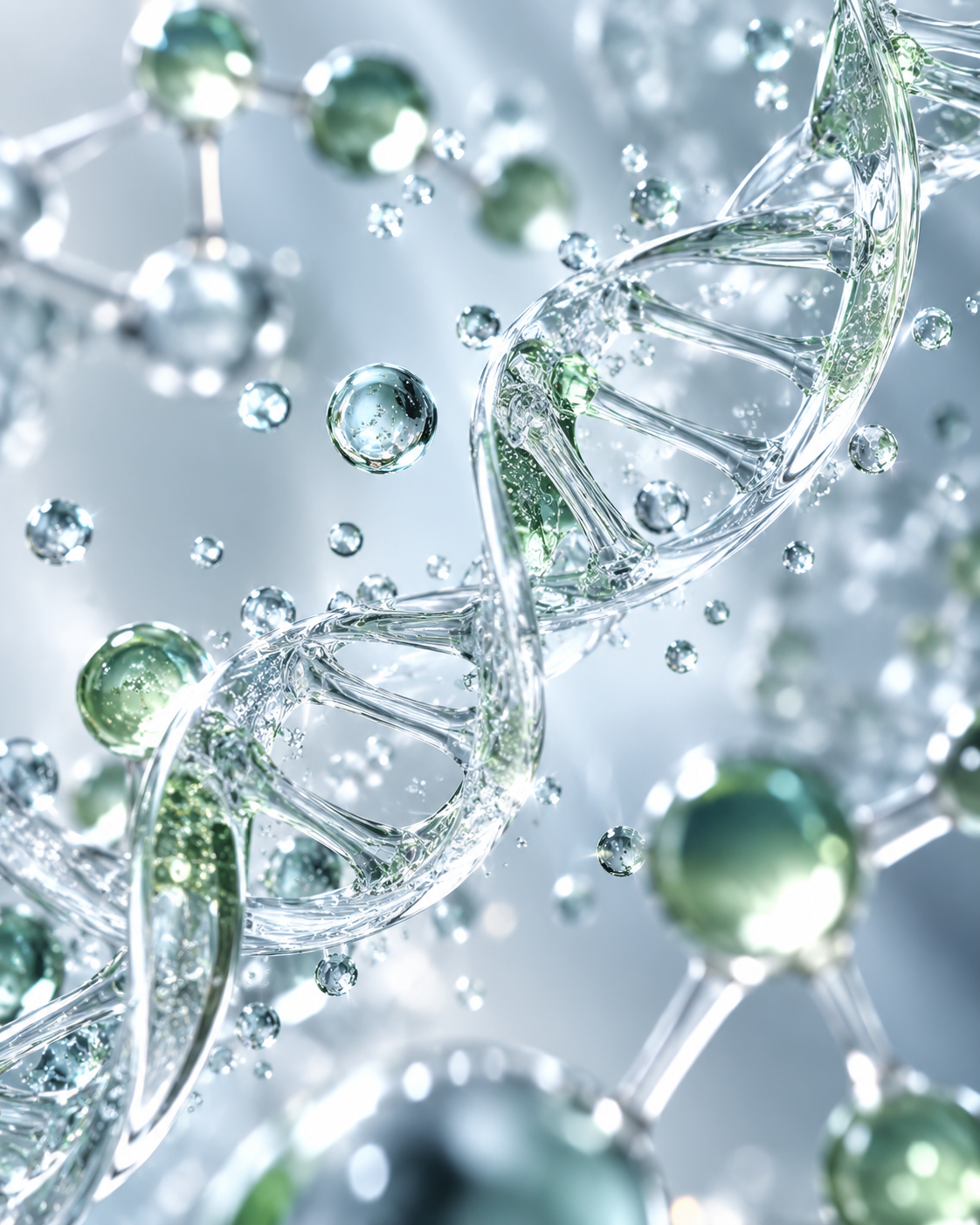
PDRN — polydeoxyribonucleotide — has quickly become one of the most talked-about ingredients in aesthetic medicine, regenerative dermatology, and skin longevity.
PDRN injections, polynucleotides, “salmon DNA,” skin boosters, regenerative facials: treatments designed to improve skin quality and stimulate skin regeneration are rapidly gaining popularity, often accompanied by ambitious claims.
More collagen. Firmer skin. Improved elasticity. Fewer wrinkles. Faster healing. “Reactivated” fibroblasts. Skin “regenerated from within.”
But behind the current PDRN and salmon DNA trend lies a scientific story that is far more interesting than the beauty hype surrounding it.
PDRN was not originally investigated simply as another anti-aging cosmetic ingredient.
Its scientific history begins with tissue repair and wound healing.
Experimental and clinical research has explored its effects on several biological mechanisms involved in tissue repair, including adenosine A2A receptor signaling, angiogenesis, inflammation, cellular activity, and nucleotide salvage pathways [1–4].
Clinical trials have also investigated PDRN in conditions where normal healing is impaired, including chronic diabetic foot ulcers, with particularly interesting results [5].
This biology of tissue repair largely explains why PDRN and polynucleotides (PNs) have subsequently attracted so much attention in dermatology and aesthetic medicine.
But one fundamental question remains:
Can a molecule that supports certain mechanisms involved in repairing damaged tissue actually regenerate or rejuvenate healthy, aging skin?
The scientific answer is more nuanced than social media might suggest.
And to understand it, we first need to answer a much simpler question.
PDRN stands for polydeoxyribonucleotide.
It refers to a mixture of polymer fragments composed of deoxyribonucleotides, the molecular building blocks of DNA.
Historically, several PDRN preparations investigated in the scientific literature have been obtained from DNA derived from the germ cells of salmonid species and subsequently processed through extraction and purification procedures [2,6].
One frequently cited paper, for example, describes the PDRN preparation studied as a mixture of deoxyribonucleotide polymers with chain lengths ranging from approximately 50 to 2,000 base pairs [2].
This origin explains the now ubiquitous expression:
“salmon DNA.”
Scientifically, however, that phrase is extremely simplistic.
PDRN is not simply a piece of salmon injected into the skin.
Nor is it a form of gene therapy.
It consists of purified polydeoxyribonucleotide fragments, whose biological properties can depend on factors including their origin, molecular length, purification, and manufacturing process [6].
Some of the PDRN preparations historically studied have indeed been derived from the germ cells of salmonid species. Certain formulations described in the literature have used trout sperm as a source material [2].
This is where highly marketable phrases such as:
“salmon sperm facial”
“salmon DNA injections”
and
“salmon DNA skin booster”
come from.
But these are media-friendly shortcuts rather than precise pharmacological descriptions.
Following extraction and purification, what is used is not raw sperm. It is a preparation containing purified polydeoxyribonucleotide fragments.
That distinction may seem obvious.
Scientifically, it matters.
And it helps address an even more common misconception.
No.
PDRN is not designed to introduce salmon genes into human cells, nor is it intended to integrate salmonid genetic material into the human genome.
PDRN is not gene therapy.
Its proposed biological mechanisms are entirely different.
Part of its biological activity has been linked to adenosine A2A receptor signaling, while products generated through the breakdown of polynucleotides may contribute to cellular nucleotide recycling through what is known as the salvage pathway [1,3,6].
So the idea that:
salmon DNA → enters human cells → changes human DNA → rejuvenates skin
does not describe how PDRN works.
The actual biology is both more subtle and more interesting.
To understand PDRN, it helps to briefly revisit the structure of DNA.
DNA — deoxyribonucleic acid — is a long molecule made up of repeating units called nucleotides.
Each nucleotide contains, among other components, a nitrogenous base.
DNA primarily uses four bases:
These nucleotides link together to create long DNA molecules.
PDRN consists of fragments of these deoxyribonucleotide polymers.
Once they enter a biological environment, these fragments can be progressively broken down into smaller molecules, including nucleotides, nucleosides, and bases that can participate in different metabolic pathways [1,6].
And this brings us to one of the most interesting proposed mechanisms behind PDRN.
Our cells constantly need nucleotides.
Among other functions, they use them to synthesize and maintain nucleic acids.
Broadly speaking, cells have two major strategies for obtaining them.
The first is to build nucleotides from simpler molecules through de novo synthesis.
The second is to recover and recycle components that are already available.
This is known as the salvage pathway.
Instead of rebuilding everything from scratch, the cell can reuse bases and nucleosides to synthesize nucleotides.
This recycling process may become particularly relevant in tissues experiencing a high demand for cellular repair or proliferation [1,3].
Following enzymatic breakdown, PDRN can provide components that may become available to these nucleotide salvage pathways [1,6].
This is one of the proposed mechanisms that may help explain its role in tissue regeneration.
It is an appealing idea, but scientifically it is too simplistic.
Breakdown products derived from PDRN may contribute to nucleotide pools available for cellular salvage pathways [1,6].
That does not mean fragments of injected DNA directly travel to human chromosomes and “repair” them.
A more accurate way to describe the process is:
Following degradation, PDRN can provide components that may be used by cellular nucleotide salvage pathways.
That distinction matters.
It separates a plausible biochemical mechanism from a much more dramatic interpretation that does not reflect how cells actually work.
Again, this requires an important distinction.
The phrase “DNA repair” can easily be misunderstood.
Human cells have sophisticated molecular systems that identify and repair damage within their own DNA.
The fact that nucleotide components can be recycled through salvage pathways does not mean that an injection of PDRN travels to a mutation or a DNA strand break and directly repairs it.
The PDRN literature is primarily concerned with tissue repair, wound healing, cellular activity, and the biological environment in which tissues regenerate [1,3,4].
When describing PDRN as a whole, it is therefore more scientifically accurate to talk about:
tissue repair
rather than:
DNA repair.
Another major mechanism associated with PDRN involves adenosine.
More specifically, experimental research has linked a significant part of PDRN’s biological activity to activation of the adenosine A2A receptor — A2AR [1–4,6].
Adenosine is a signaling molecule naturally present in the human body.
It interacts with several receptor families, including:
A1, A2A, A2B, and A3.
These receptors do not all perform the same functions, and activating them can produce different effects depending on the tissue and biological context.
The A2A receptor is particularly relevant to PDRN because of its involvement in processes associated with inflammation, vascular biology, and tissue repair [2,3].
PDRN is therefore frequently described in pharmacological literature as exerting activity associated with A2A receptor activation [2,6].
When tissue is injured, repairing it requires an extraordinarily coordinated sequence of biological events.
The body needs to:
Adenosine signaling participates in several of these processes.
Activation of the A2A receptor has been experimentally associated with modulation of inflammatory responses and increases in certain pro-angiogenic signals, including VEGF — vascular endothelial growth factor [2,3].
This is one reason PDRN first attracted scientific interest in conditions involving impaired wound healing.
VEGF — vascular endothelial growth factor — refers to a family of signaling proteins that play a major role in blood vessel formation and development.
When tissue is injured, restoring an adequate blood supply is essential.
Blood delivers, among other things:
The formation of new blood vessels from an existing vascular network is known as angiogenesis.
In several experimental models, A2A receptor stimulation has been associated with increased VEGF expression, and PDRN has demonstrated the ability to stimulate VEGF in certain settings involving impaired tissue perfusion [2].
This is one of the proposed mechanisms behind its effects on wound healing.
Simply saying that “PDRN creates new blood vessels” would overstate the evidence.
A more scientifically accurate statement is:
PDRN has demonstrated pro-angiogenic effects in certain experimental and clinical tissue-repair settings, including through pathways associated with A2A receptor signaling and VEGF [2–5].
That nuance is important.
Angiogenesis is a highly complex biological process controlled by numerous molecular signals.
PDRN is not a single switch that automatically causes healthy skin to develop a new vascular network.
Its effects depend on biological context.
And historically, some of the most compelling evidence comes from tissues in which healing is already compromised.
Because wound healing is fundamentally a model of tissue regeneration.
When skin is injured, the body has to reconstruct functional tissue.
That process simultaneously involves:
inflammation → cellular proliferation → angiogenesis → fibroblast activity → extracellular matrix formation → re-epithelialization → remodeling.
Several of these processes appear throughout the scientific literature on PDRN [1,3,4].
This may help explain why a molecule initially investigated for tissue repair eventually became a major focus of regenerative aesthetic medicine.
But before discussing wrinkles and skin boosters, it makes sense to examine what happens when skin genuinely needs to repair itself.
One of the most compelling human studies of PDRN had nothing to do with facial wrinkles or cosmetic rejuvenation.
It investigated chronic diabetic foot ulcers [5].
These wounds represent a particularly challenging model of impaired healing.
Diabetes can disrupt several processes required for normal tissue repair, including microcirculation, angiogenesis, immune function, and wound healing.
A randomized, double-blind, placebo-controlled clinical trial conducted at two Italian centers studied 216 patients with diabetes and hard-to-heal Wagner grade 1 or 2 ulcers [5].
Participants were divided into:
110 patients treated with PDRN
and
106 patients receiving placebo.
Treatment was administered for eight weeks using intramuscular and perilesional routes [5].
The primary outcome was particularly concrete:
complete ulcer healing.
After eight weeks, 37.3% of patients treated with PDRN achieved complete healing, compared with 18.9% of patients receiving placebo [5].
Median time to complete healing was also shorter:
30 days with PDRN
versus
49 days with placebo [5].
Median re-epithelialized wound area reached:
82.2% in the PDRN group
versus
49.3% in the placebo group [5].
The study also reported an increased likelihood of ulcer closure in the treatment group, with a hazard ratio of 2.20 [5].
These findings are an important part of the scientific history of PDRN.
They show that, at least in a specific pathological setting, using a specific medical protocol and route of administration, PDRN can influence a clinically meaningful tissue-repair outcome.
No.
And this distinction is critical.
A chronic diabetic ulcer and healthy skin showing signs of aging are two dramatically different biological environments.
In one case, we have:
an open wound + pathologically impaired healing + vascular and metabolic dysfunction.
In the other:
intact skin + progressive changes associated with intrinsic and extrinsic aging.
A treatment capable of improving wound healing does not automatically become an anti-aging treatment.
But these results do demonstrate something important:
The regenerative biology associated with PDRN is not purely theoretical.
Some of its effects on tissue repair have been observed in humans [5].
The next question is therefore:
Can mechanisms involved in wound repair also improve the quality of aging but otherwise intact skin?
This is where fibroblasts become particularly important.
Fibroblasts are essential cells found in connective tissue and the dermis.
They participate in the production and remodeling of many components of the extracellular matrix, including collagen.
The extracellular matrix can be thought of as the molecular architecture surrounding and supporting cells.
In the skin, it contributes to the mechanical and structural properties of the dermis.
With intrinsic aging and cumulative exposure to environmental factors — particularly ultraviolet radiation — this architecture changes.
The production, organization, and breakdown of extracellular matrix components are altered.
Dermal collagen progressively changes.
It is therefore unsurprising that the fibroblast has become central to the aesthetic conversation surrounding PDRN and polynucleotides.
Experimental evidence suggests that, under certain conditions, PDRN may support processes associated with cellular growth, migration, and extracellular matrix production [4].
Reviews of preclinical and clinical tissue-regeneration research have reported effects involving cellular growth, tissue repair, and extracellular matrix proteins, with A2A receptor activation proposed as one contributing mechanism [4].
Biologically, this is highly interesting.
But once again, an experimental observation should not be turned into a marketing slogan.
“PDRN affects fibroblast activity”
does not automatically mean:
“A PDRN injection will make every person’s skin produce enough new collagen to visibly reverse aging.”
The gap between those two statements is precisely what clinical research needs to establish.
Collagen is one of the major structural proteins of the skin’s extracellular matrix.
Within the dermis, it contributes to tissue architecture and mechanical strength.
Wound healing requires extensive production and remodeling of the extracellular matrix.
It is therefore biologically plausible that an intervention affecting fibroblast activity and tissue repair could also influence processes associated with collagen [3,4].
Preclinical studies have indeed reported effects of PDRN on markers associated with extracellular matrix remodeling and collagen synthesis.
But the level of evidence is not the same when we are talking about:
a cell in a laboratory;
an animal wound model;
a human wound;
or
the face of a person seeking to reduce wrinkles.
That hierarchy of evidence is fundamental.
Inflammation is an essential part of tissue repair.
But excessive or prolonged inflammation can interfere with normal healing.
A2A receptor signaling is known to participate in the modulation of certain inflammatory responses, and several preclinical PDRN studies have reported reductions in pro-inflammatory markers in different models of tissue injury [1,3,4].
This is one proposed mechanism by which PDRN may help create a biological environment more compatible with tissue repair.
However, describing PDRN simply as a “powerful anti-inflammatory” would be reductive.
The biological goal of effective wound healing is not to eliminate inflammation altogether.
It is to enable a properly regulated inflammatory response, followed by the subsequent phases required to rebuild tissue.
The word regeneration is now used remarkably loosely in aesthetic medicine.
A moisturizer hydrates the skin: it “regenerates.”
A laser induces remodeling: it “regenerates.”
An injectable improves texture: it “regenerates.”
In biology, however, regeneration has a much more precise meaning.
It involves restoring biological structures and functions following damage or disruption.
In the context of PDRN, the historical scientific literature genuinely allows us to discuss tissue regeneration and wound healing in specific experimental and clinical settings [1,3].
But when the term is applied to aesthetic medicine, the question becomes:
Are we observing a genuine biological change in the tissue, or simply an improvement in its appearance?
Answering that question requires measuring more than patient satisfaction.
Researchers need to examine:
This is exactly what clinical research on polynucleotides is beginning to investigate.
This is one of the most common sources of confusion in articles about PDRN.
PDRN — polydeoxyribonucleotide — and PN — polynucleotides — belong to closely related molecular families, but the terms should not be used as though they necessarily refer to identical formulations.
Products investigated in clinical studies can differ in:
This distinction becomes particularly important when interpreting aesthetic research.
A 2026 systematic review of randomized dermatology trials identified seven randomized trials involving a total of 183 participants: four evaluated PN interventions and three evaluated PDRN interventions [7].
The authors synthesized both families because of their close relationship and overlapping applications in regenerative dermatology while still distinguishing between them [7].
It would therefore be scientifically incorrect to take a result obtained with one specific PN formulation and automatically attribute it to every commercial product marketed as PDRN.
Because they reflect a broader shift in the way aesthetic medicine thinks about skin aging.
For years, many injectable treatments were built primarily around two strategies:
reducing muscular contraction
or
adding volume.
Polynucleotides belong to a different conceptual category.
The goal is not primarily to paralyze a muscle or create artificial volume.
Instead, the aim is to modify certain aspects of tissue quality and biology over time.
This is often described as biostimulation, biorevitalization, or regenerative aesthetics.
The promise is particularly compelling: rather than simply “filling” a wrinkle, the objective is to help improve some of the skin’s own biological functions.
The concept is scientifically intriguing.
But the central question remains:
Do the clinical results live up to the biological mechanism?
A systematic review published in the Journal of Cosmetic Dermatology examined the available evidence on polynucleotides in aesthetic medicine [8].
It identified only nine studies involving a total of 219 patients [8].
Several studies reported improvements in outcomes related to:
Reported adverse events were generally mild and transient, while patient satisfaction was typically moderate to high [8].
At first glance, this appears highly encouraging.
But the review highlighted an essential limitation:
The overall quality of the available studies was low to moderate.
Treatment protocols also varied considerably, including differences in:
The authors therefore concluded that polynucleotides show promising potential in aesthetic medicine, while emphasizing the need for more rigorous studies to confirm efficacy and safety and establish optimal treatment protocols [8].
A newer systematic review published in 2026 and restricted specifically to randomized clinical trials reached a similar conclusion [7].
Seven randomized trials.
Only 183 participants in total.
The results suggest improvements across certain measures of skin rejuvenation, scarring, and wound healing.
But the total evidence base remains small [7].
That is crucial to understanding where the science stands today:
PDRN and polynucleotides are not supported by an absence of human evidence.
Human evidence does exist.
But commercial enthusiasm has moved considerably faster than the clinical literature.
Calling PDRN nothing more than a trend would be just as inaccurate as calling it a proven anti-aging revolution.
There is a genuine scientific literature surrounding PDRN and tissue repair.
Its effects on pathways associated with adenosine A2A signaling, nucleotide salvage, angiogenesis, and certain tissue-repair processes have been investigated across numerous experimental models [1–4,6].
Clinical effects have also been observed in certain wound-healing indications, including a substantial randomized trial involving diabetic foot ulcers [5].
In aesthetic medicine, enough human data now exist to identify signals of potential efficacy.
But the evidence remains too limited and heterogeneous to support every claim currently attached to “salmon DNA” treatments [7,8].
The question is therefore no longer:
“Does PDRN have biological activity?”
Clearly, it does.
The more important question is:
“How far can the tissue-repair biology of PDRN be translated into meaningful rejuvenation of healthy human skin?”
And that is exactly what clinical trials examining wrinkles, the periorbital area, skin elasticity, hydration, acne scars, postoperative scars, and overall skin quality are beginning to answer.
We have seen that PDRN has a genuine scientific history in tissue repair and wound healing.
We have also seen that several biological mechanisms may help explain this interest, including adenosine A2A receptor signaling, angiogenesis, VEGF, modulation of certain inflammatory responses, fibroblast activity, extracellular matrix remodeling, and nucleotide salvage pathways [1–6].
But aesthetic medicine asks a different question.
We are no longer trying to repair a chronic wound or damaged tissue.
Instead, the goal is to improve intact skin that is gradually developing the biological and visible characteristics of aging:
This is where we need to move from biological mechanism to clinical evidence.
Because a molecule can be biologically active without necessarily producing meaningful, visible skin rejuvenation.
Human evidence for PDRN and polynucleotides in skin rejuvenation is encouraging, but still limited.
A systematic review published in the Journal of Cosmetic Dermatology identified only nine studies involving 219 patients treated with polynucleotides [8].
The available studies reported improvements in several parameters related to:
However, the authors also found that the overall quality of the evidence was low to moderate, with substantial variation in products, injection techniques, treatment areas, and protocols [8].
A more recent systematic review published in 2026 and restricted specifically to randomized clinical trials identified only seven trials involving 183 participants across skin rejuvenation, postoperative scar prevention, and wound healing [7].
Four of those trials investigated aesthetic skin rejuvenation.
So there is a clinical signal.
But the evidence base remains small, particularly when compared with dermatologic interventions that have been studied for decades.
One of the most informative studies directly compared polynucleotide injections with non-cross-linked hyaluronic acid for periorbital rejuvenation [9].
The randomized study used a split-face design.
This means that each participant received a different treatment on each side of the face, helping reduce some of the variability that naturally exists between individuals.
Twenty-seven participants with periorbital wrinkles were enrolled [9].
One side of the periorbital area received polynucleotide injections, while the other received non-cross-linked hyaluronic acid.
Each treatment was administered three times at two-week intervals.
The findings are particularly useful because they resist an overly simple conclusion.
Overall visual and global aesthetic improvement scores were not significantly different between the PN and hyaluronic acid groups [9].
However, several instrumental measurements favored the polynucleotide-treated side.
The PN group showed higher improvement rates in parameters including:
Dermal density was not significantly different between the two groups.
No serious adverse events were reported [9].
Current evidence does not support a simple answer of “yes.”
More importantly, these approaches do not necessarily pursue exactly the same biological objective.
Hyaluronic acid has a remarkable ability to bind water and exists in very different formulations depending on whether the goal is hydration, skin quality, or volumetric correction.
Polynucleotides are generally investigated from a different perspective: biostimulation and progressive modification of tissue quality.
The split-face trial suggests that certain instrumental measures of skin quality may respond differently to PN treatment, without demonstrating universal aesthetic superiority over hyaluronic acid [9].
It may therefore be more useful to think of these approaches as biologically different rather than immediately trying to identify a winner.
This is one of the most common claims surrounding PDRN.
It is also one of the claims that requires the most nuance.
Experimental evidence does support interactions between PDRN, fibroblasts, and the extracellular matrix [3,4,6].
In cultured human skin fibroblasts, PDRN and products resulting from its degradation have been shown to stimulate cell proliferation and increase secretion of certain proteins, including fibronectin [6].
More recent research has explored the molecular pathways potentially connecting PDRN with extracellular matrix remodeling.
A 2026 study investigated a specific topical medium-length PDRN preparation in human dermal fibroblasts, ex vivo photodamaged human skin models, and a clinical setting [15].
The researchers reported activity involving pathways including:
PI3K-Akt
and
TGF-β/Smad [15].
These pathways participate in the regulation of numerous cellular processes, including extracellular matrix biology.
In photodamaged human skin models, the PDRN preparation was also associated with changes in several proteins related to collagen and elastic-fiber biology [15].
These findings strengthen the biological plausibility of an effect on the dermal extracellular matrix.
But they do not demonstrate that every PDRN formulation, at every concentration and through every route of administration, produces the same effect.
This is a particularly important question.
Polynucleotides are relatively large molecules.
And the skin barrier — particularly the stratum corneum — severely restricts the penetration of many macromolecules.
We therefore cannot assume that injectable PDRN and PDRN applied to the surface of the skin will have the same bioavailability or biological effects.
A 2026 study examining a specific medium-length PDRN formulation directly investigated this issue [15].
The researchers used several experimental approaches, including reconstructed epidermal models and ex vivo and in vivo assessments, and reported evidence supporting penetration or distribution of PDRN-associated material into biologically relevant layers of the skin [15].
This is an interesting emerging finding.
But it applies to a specific formulation with specific molecular characteristics.
It does not establish that:
“Every PDRN cream penetrates the skin.”
No.
The route of administration is a fundamental difference.
When a product is injected into the dermis, the epidermal barrier is bypassed.
When it is applied to the surface of the skin, the formulation must overcome or partially cross that barrier to reach deeper biological compartments.
Molecular size, formulation, delivery system, concentration, and physicochemical properties therefore become critical.
It would be scientifically incorrect to extrapolate the results of injectable PDRN directly to a PDRN cream simply because both products contain the same term on the label.
The 2026 study also included a randomized, double-blind, split-face clinical comparison involving a specific topical PDRN formulation and 0.1% retinol over 28 days [15].
The researchers reported favorable changes with the PDRN formulation across several periorbital parameters, including wrinkles and measurements related to dermal structure [15].
This is particularly interesting because retinol served as an active comparator, rather than simply using an untreated control.
But several limitations need to be considered.
The study lasted only 28 days.
It evaluated one specific PDRN formulation.
And several authors were affiliated with research institutes belonging to companies involved in skin-care research and product development [15].
The study therefore represents an intriguing piece of emerging evidence.
It does not establish that topical PDRN as an entire category is superior to retinol.
Independent replication and longer-term studies will be essential.
The term biostimulation is probably more appropriate than “filler” when describing the intended biological concept behind many PN and PDRN treatments.
A traditional filler primarily changes tissue volume or physically occupies space.
Polynucleotides are proposed to work differently: by progressively influencing certain biological and structural characteristics of the tissue.
Research involving fibroblasts, extracellular matrix remodeling, and tissue repair provides biological support for this concept [3,4,6].
But the word “biostimulation” should not become another uncontrolled marketing claim.
Stimulating a cellular process does not automatically produce dramatic rejuvenation.
The relevant questions remain:
What biological change is being produced?
How large is that change?
How long does it last?
And does it translate into a meaningful visible benefit?
Polynucleotides have also been investigated for atrophic acne scars.
A prospective, randomized, double-blind study evaluated PN-HPT — Highly Purified Technology Polynucleotides — in 20 women between the ages of 30 and 50 with moderate-to-severe atrophic acne scars [10].
Ten participants received PN-HPT.
Ten received normal saline as placebo.
Neither the participants nor the physician performing the injections knew which treatment was being administered [10].
Outcomes were assessed using three-dimensional imaging, photographs, and patient-reported satisfaction.
Only the PN-HPT group showed statistically significant improvements at one and three months compared with baseline [10].
The findings are interesting.
But the key word is:
small.
Twenty participants in total.
Only ten received the active treatment.
The trial therefore provides a promising clinical signal, not definitive proof that polynucleotides effectively treat every type of acne scar.
A randomized controlled trial investigated 44 patients undergoing open thyroidectomy [11].
Participants were assigned either to a PDRN treatment group or an untreated control group.
The treatment group received two early postoperative PDRN injections, one and two days after surgery [11].
Three months later, researchers assessed several characteristics of the surgical scars.
The mean modified Vancouver Scar Scale — mVSS — score was lower in the PDRN group:
1.619 vs. 2.500.
However, the result had a p value of 0.059 [11].
It therefore did not meet the conventional statistical significance threshold of 0.05.
That detail matters.
It would be inaccurate to say that the trial demonstrated a statistically significant improvement in the overall mVSS score.
However, several secondary outcomes were significantly better.
Compared with controls, the PDRN group showed:
No specific adverse effects related to PDRN injection were observed.
The study therefore suggests potential benefits in early scar remodeling while also illustrating why individual results need to be examined rather than reducing an entire trial to a single headline.
Another randomized, double-blind controlled trial investigated PN injections as an adjunct to conventional fractional laser treatment following thyroidectomy [12].
Patients receiving PN demonstrated better surgical scar outcomes, including lower Vancouver Scar Scale scores, lower scar height, and less prominent erythema and pigmentation than controls [12].
But there is an important limitation:
PN was being used as part of a combination treatment.
The results therefore cannot be interpreted as evidence that PN alone would necessarily produce the same effect.
This distinction becomes especially important as regenerative aesthetic treatments are increasingly combined with lasers, microneedling, radiofrequency, and other procedures.
Because the clinical results are more consistent in wound-healing settings.
The 2026 systematic review of randomized trials found that the most consistent benefits were observed in wound healing, where PDRN accelerated re-epithelialization and shortened healing time compared with controls [7].
This also makes sense when we consider the pharmacological history of PDRN.
Randomized studies have reported favorable outcomes in settings including diabetic foot ulcers, pressure ulcers, and skin-graft donor sites [5,13,14].
For example, a randomized trial involving patients with diabetic foot ulcers found improved peripheral tissue oxygenation following PDRN treatment and histological findings compatible with improved inflammation and angiogenesis, although the between-group difference in vessel density itself was not statistically significant [13].
Another randomized trial in pressure ulcers reported significant reductions in wound size and PUSH wound-healing scores following PDRN treatment [14].
This is a very different evidence base from aesthetic rejuvenation.
For skin rejuvenation, we are still dealing largely with relatively small trials using:
That heterogeneity makes broad conclusions much more difficult [7,8].
There is currently no universally established, evidence-based PDRN treatment schedule.
Protocols vary depending on:
This lack of standardization is one of the limitations highlighted by systematic reviews [7,8].
Commercial protocols recommending three sessions, four sessions, or regular maintenance treatments may be based on clinical experience, the characteristics of a specific product, or manufacturer recommendations.
They should not be confused with a universally validated treatment schedule established by large comparative clinical trials.
We do not yet have enough robust evidence to establish a universal duration of effect.
Many available studies have relatively short follow-up periods.
This matters because if PDRN works primarily by producing progressive biological changes within tissue, durability becomes a central question.
We also need to distinguish between:
how long the administered material remains present
and
how long any biological changes it may have triggered persist.
These are not necessarily the same thing.
Longer-term trials are needed to determine the actual durability of aesthetic benefits.
Not necessarily.
Some of the visible change immediately following an intradermal injection may result from the injection itself, the volume introduced into the tissue, temporary swelling, or local hydration.
Proposed tissue-remodeling mechanisms involving fibroblasts, extracellular matrix, and collagen operate on a different biological timescale.
Immediate before-and-after photographs should therefore be interpreted cautiously.
An immediate visible effect is not proof of dermal regeneration.
The term “skin booster” does not describe one specific biological category.
In aesthetic medicine, it is used for a range of injectable products intended primarily to improve skin quality rather than restore significant volume.
Under this broad commercial definition, some PN and PDRN formulations may be marketed as skin boosters.
Scientifically, however, it is more useful to identify:
Two products marketed as “skin boosters” can have completely different compositions and mechanisms of action.
No.
PDRN describes a category of polydeoxyribonucleotide fragments.
PN refers to polynucleotides.
Commercial products using nucleotide-derived materials have their own formulations, concentrations, molecular characteristics, manufacturing processes, and regulatory status.
A brand name should therefore not be used as a scientific synonym for an entire molecular family.
Likewise, clinical results obtained with one specific product should not automatically be attributed to every PN or PDRN formulation.
In the dermatologic studies currently available, short-term tolerability appears generally favorable.
The 2026 systematic review of randomized trials reported no serious treatment-related adverse events among the included studies [7].
The broader aesthetic-medicine systematic review similarly found that reported side effects were generally mild and transient [8].
Local reactions after injection can nevertheless include:
And as with any injectable procedure, risks can also arise from the procedure itself, including infection, inflammatory reactions, vascular injury, or other complications depending on the anatomical area and injection technique.
The absence of serious treatment-related events in a relatively small number of trials does not mean an injectable treatment is risk-free.
Because some PDRN and PN preparations are derived from salmonid material, the question is reasonable.
Manufacturing and purification processes are designed to produce highly purified nucleotide fractions and minimize unwanted biological contaminants.
However, formulations and contraindications can differ between products.
Anyone with a known fish allergy should therefore disclose it to the treating healthcare professional and review the contraindications and source material of the specific product being considered.
The current evidence base does not justify treating every PN and PDRN formulation as though it had an identical allergy profile.
There is currently no clinical evidence showing that dermatologic PDRN treatments cause cancer.
The question sometimes arises because PDRN research involves biological mechanisms related to cell proliferation and angiogenesis.
Two opposite errors should be avoided.
The first is assuming that PDRN must be carcinogenic simply because some of the pathways it influences can also be used by tumor cells.
That conclusion is not supported by current evidence.
The second is assuming that a biologically active regenerative treatment is automatically appropriate in every oncologic context.
Current aesthetic trials are too small and too short to answer every possible question about very long-term safety [7,8].
In people with active cancer, suspicious skin lesions, or specific oncologic circumstances, the use of an injectable regenerative treatment should therefore be discussed with the relevant physician.
That depends entirely on what we mean by anti-aging.
If we mean:
“influencing biological mechanisms involved in tissue quality and repair,”
PDRN has a compelling scientific basis [1–7].
If we mean:
“slowing the overall biological aging of human skin,”
the evidence is much less established.
And if we mean:
“making skin biologically several years younger,”
there is currently no evidence allowing us to quantify such a claim.
Existing clinical studies primarily measure outcomes such as:
They do not demonstrate that the overall biological age of the skin has been reversed.
Current evidence does not support that conclusion.
Retinoids have been studied in dermatology for decades, including extensive research on photoaging.
Topical PDRN is a much newer area of investigation.
The 2026 study comparing a specific PDRN formulation with 0.1% retinol is scientifically interesting [15].
But one 28-day study of a particular formulation cannot replace decades of research on retinoids.
It would therefore be premature to describe PDRN as “the new retinol” or as a scientifically established successor to retinoids.
Their mechanisms are different, and they may ultimately occupy different roles within dermatologic skin-care strategies.
After separating biological mechanisms, experimental models, and human clinical evidence, several conclusions emerge.
What we know reasonably well:
What looks promising but remains incompletely established:
What current evidence does not justify claiming:
This may be the most interesting question raised by the rise of PDRN.
For decades, aesthetic rejuvenation has largely been approached through what we can see:
a wrinkle to smooth,
volume to restore,
a muscle contraction to reduce,
a dark spot to remove.
Regenerative dermatology introduces a different perspective.
What is happening inside the tissue?
What happens to fibroblasts as skin ages?
How does the extracellular matrix change?
How is collagen synthesized, organized, and broken down?
How does inflammation affect tissue aging?
How do microcirculation and the cellular environment influence the skin’s ability to repair itself?
PDRN is particularly interesting because it sits at the intersection of many of these questions.
Its scientific history begins with wound healing.
Its proposed mechanisms involve signaling and cellular salvage pathways.
And its aesthetic use is now attempting to translate the biology of tissue repair into skin that may not be injured, but whose architecture and regenerative capacity change over time.
This broader perspective is consistent with the philosophy of Cellular Nutrition®:
understanding the biological mechanisms that precede their visible expression.
PDRN became famous under an irresistible name:
“salmon DNA.”
But the science behind that phrase is far more interesting than the trend itself.
PDRN consists of purified polydeoxyribonucleotide fragments.
It does not modify human DNA and it is not gene therapy.
Its proposed biological effects involve mechanisms including adenosine A2A receptor signaling, nucleotide salvage pathways, VEGF, angiogenesis, inflammatory regulation, fibroblast activity, and extracellular matrix remodeling [1–6].
And importantly, this biology does not exist only in laboratory experiments.
Clinical trials have demonstrated real effects on tissue repair in certain difficult-to-heal wounds [5,7,13,14].
That may be the single most important fact to understand about PDRN:
Its scientific credibility begins with wound healing, not aesthetics.
Aesthetic medicine is now attempting to harness some of those mechanisms to improve wrinkles, elasticity, hydration, texture, scars, and overall skin quality.
Early human results are encouraging [7–12,15].
But the evidence still involves relatively small populations, heterogeneous treatment protocols, different formulations, and limited long-term follow-up.
Current science therefore does not justify presenting PDRN as a miracle molecule capable of automatically reversing skin aging.
It does, however, support a much more interesting idea:
PDRN belongs to an emerging generation of regenerative approaches that aim not only to change how skin looks, but to influence some of the biological mechanisms that determine how tissue repairs itself and maintains its structure.
The next challenge is to determine which formulations, molecular lengths, concentrations, delivery methods, and treatment protocols can reliably translate that biological promise into meaningful and durable clinical benefits.
That is where the real frontier of PDRN, polynucleotides, regenerative dermatology, and skin longevity lies today.
PDRN, or polydeoxyribonucleotide, is a mixture of deoxyribonucleotide polymer fragments. It has been investigated for its effects on biological processes involved in tissue repair, wound healing, and regenerative medicine [1–6].
Some historically studied PDRN preparations are produced from DNA derived from salmonid germ cells and subsequently purified [2,3]. “Salmon DNA” is therefore rooted in the material’s origin, but remains an oversimplified description of the final purified preparation.
Some PDRN preparations have historically used salmonid germ cells or sperm as source material [2,3]. Following extraction and purification, however, the resulting material consists of purified polydeoxyribonucleotide fractions — not raw salmon sperm.
No. PDRN is not gene therapy and is not designed to integrate salmon DNA into the human genome.
PDRN and PN belong to closely related nucleotide-derived molecular families, but they are not necessarily identical formulations. Molecular weight, chain length, concentration, purification, manufacturing process, and physicochemical characteristics can differ. Results obtained with one formulation should not automatically be extrapolated to another [7,8].
Proposed mechanisms include activity associated with adenosine A2A receptor signaling and the availability of breakdown products that can participate in nucleotide salvage pathways. Effects involving VEGF, angiogenesis, inflammatory signaling, fibroblasts, and tissue repair have also been described [1–4,6].
Experimental research suggests that certain PDRN formulations can influence fibroblast activity and pathways involved in extracellular matrix and collagen biology [4,6,15]. The magnitude and durability of this effect in healthy human skin still require further clinical investigation.
Several small human studies report improvements in wrinkle-related and skin-quality outcomes. Systematic reviews describe the results as promising while emphasizing the limited size and heterogeneity of the current evidence base [7,8].
A small randomized, double-blind study involving 20 women reported improvement in atrophic acne scars with PN-HPT compared with placebo [10]. Larger trials and longer follow-up are needed.
This is one of the areas in which the clinical evidence is most compelling. Randomized trials have reported improvements in outcomes including re-epithelialization, wound size, tissue oxygenation, and healing time in specific wound-healing settings [5,7,13,14].
Current evidence does not demonstrate universal superiority. A randomized periorbital study found favorable differences for PN in some instrumental skin-quality measurements, while overall aesthetic improvement was not significantly different between PN and non-cross-linked hyaluronic acid [9].
A 2026 study reported favorable results for a specific topical PDRN formulation compared with 0.1% retinol over 28 days [15]. This is interesting emerging evidence, but it is not sufficient to conclude that PDRN as a category is superior to retinol or retinoids.
The answer likely depends heavily on formulation, molecular characteristics, concentration, and delivery through the skin barrier. Recent research provides encouraging evidence for one specific topical formulation, but those findings cannot be generalized to every PDRN cream [15].
There is currently no universal treatment schedule established by large clinical trials. Protocols differ substantially between products, treatment areas, and indications [7,8].
A universal duration has not been established. Many studies have relatively short follow-up periods, making the long-term persistence of aesthetic benefits difficult to determine [7,8].
Available clinical trials suggest generally favorable short-term tolerability. The 2026 systematic review of randomized trials reported no serious treatment-related adverse events in the included studies [7]. Larger and longer-term studies are still needed.
PDRN influences several biological mechanisms relevant to tissue repair and skin quality, and clinical studies have reported improvements in certain skin parameters. It has not been demonstrated to reverse the overall biological age of human skin.
A Doctor of Pharmacy and expert in Predictive & Preventive Medicine, Dr. ESPINASSE has spent more than 20 years developing an integrative approach to nutrition, metabolism, the microbiome, aging, and longevity.
Her clinical experience with more than 20,000 patients, informed by more than 15,000 in-depth assessments, led her to develop Cellular Nutrition®: an approach that considers nutrients and bioactive compounds through the physiological and cellular mechanisms they are intended to support.
Through METHODE ESPINASSE, Dr. ESPINASSE translates more than two decades of clinical experience into targeted nutritional protocols designed around health, beauty, longevity, and healthy aging from within.
[1] Colangelo MT, Galli C, Guizzardi S. The effects of polydeoxyribonucleotide on wound healing and tissue regeneration: a systematic review of the literature. Regenerative Medicine. 2020. DOI: 10.2217/rme-2019-0118. PMID: 32757710.
URL: https://pubmed.ncbi.nlm.nih.gov/32757710/
[2] Altavilla D, Bitto A, Polito F, Marini H, Minutoli L, Di Stefano V, Irrera N, Cattarini G, Squadrito F. Polydeoxyribonucleotide (PDRN): a safe approach to induce therapeutic angiogenesis in peripheral artery occlusive disease and in diabetic foot ulcers. Cardiovascular & Hematological Agents in Medicinal Chemistry. 2009;7(4):313–321. DOI: 10.2174/187152509789541909. PMID: 19860658.
URL: https://pubmed.ncbi.nlm.nih.gov/19860658/
[3] Colangelo MT, Galli C, Guizzardi S. The effects of polydeoxyribonucleotide on wound healing and tissue regeneration: a systematic review of the literature. Regenerative Medicine. 2020. DOI: 10.2217/rme-2019-0118. PMID: 32757710.
URL: https://pubmed.ncbi.nlm.nih.gov/32757710/
[4] Sini P, Denti A, Cattarini G, Daglio M, Tira ME, Balduini C. Effect of polydeoxyribonucleotides on human fibroblasts in primary culture. Cell Biochemistry and Function. 1999;17(2):107–114. DOI: 10.1002/(SICI)1099-0844(199906)17:2<107::AID-CBF815>3.0.CO;2-#. PMID: 10377956.
URL: https://pubmed.ncbi.nlm.nih.gov/10377956/
[5] Squadrito F, Bitto A, Altavilla D, et al. The effect of PDRN, an adenosine receptor A2A agonist, on the healing of chronic diabetic foot ulcers: results of a clinical trial. The Journal of Clinical Endocrinology & Metabolism. 2014;99(5)–E753. DOI: 10.1210/jc.2013-3569. PMID: 24483158.
URL: https://pubmed.ncbi.nlm.nih.gov/24483158/
[6] Sini P, Denti A, Cattarini G, Daglio M, Tira ME, Balduini C. Effect of polydeoxyribonucleotides on human fibroblasts in primary culture. Cell Biochemistry and Function. 1999;17(2):107–114. DOI: 10.1002/(SICI)1099-0844(199906)17:2<107::AID-CBF815>3.0.CO;2-#. PMID: 10377956.
URL: https://pubmed.ncbi.nlm.nih.gov/10377956/
[7] Alhussain AM, Albusayys ST, Alfhadi MA, et al. Polynucleotides and Polydeoxyribonucleotides for Skin Rejuvenation, Postoperative Scar Prevention, and Wound Healing: A Systematic Review of Randomized Clinical Trials. Cureus. 2026;18(7). DOI: 10.7759/cureus.112403. PMID: 42572627.
URL: https://pubmed.ncbi.nlm.nih.gov/42572627/
[8] Lampridou S, Bassett S, Cavallini M, Christopoulos G. The Effectiveness of Polynucleotides in Esthetic Medicine: A Systematic Review. Journal of Cosmetic Dermatology. 2025;24(2). DOI: 10.1111/jocd.16721. PMID: 39645667.
URL: https://pubmed.ncbi.nlm.nih.gov/39645667/
[9] Comparison of the effects of polynucleotide and hyaluronic acid fillers on periocular rejuvenation: a randomized, double-blind, split-face trial. Journal of Dermatological Treatment. 2022;33(1):254–260. PMID: 32248707.
URL: https://pubmed.ncbi.nlm.nih.gov/32248707/
[10] Araco A, Araco F. Preliminary Prospective and Randomized Study of Highly Purified Polynucleotide vs Placebo in Treatment of Moderate to Severe Acne Scars. Aesthetic Surgery Journal. 2021;41(7)–NP874. DOI: 10.1093/asj/sjab125. PMID: 33755110.
URL: https://pubmed.ncbi.nlm.nih.gov/33755110/
[11] Early Postoperative Injections of Polydeoxyribonucleotide Prevent Hypertrophic Scarring After Thyroidectomy: A Randomized Controlled Trial. Advances in Wound Care. 2023. PMID: 35713247.
URL: https://pubmed.ncbi.nlm.nih.gov/35713247/
[12] Preventive effect of polynucleotide on post-thyroidectomy scars: a randomized, double-blinded, controlled trial. Lasers in Surgery and Medicine. 2018. PMID: 29574803.
URL: https://pubmed.ncbi.nlm.nih.gov/29574803/
[13] Kim S, Kim J, Choi J, Jeong W, Kwon S. Polydeoxyribonucleotide Improves Peripheral Tissue Oxygenation and Accelerates Angiogenesis in Diabetic Foot Ulcers. Archives of Plastic Surgery. 2017;44(6):482–489. DOI: 10.5999/aps.2017.00801. PMID: 29076318.
URL: https://pubmed.ncbi.nlm.nih.gov/29076318/
[14] Effects of polydeoxyribonucleotide in the treatment of pressure ulcers. Journal of Korean Medical Science. 2014. PMID: 25473213.
URL: https://pubmed.ncbi.nlm.nih.gov/25473213/
[15] Ye R, Wang Q, Du L, Li L, Hu F. Topical medium-length PDRN enhances dermal extracellular matrix repair in photodamaged skin via PI3K-Akt/TGF-β-regulated pathways. PLOS ONE. 2026. DOI: 10.1371/journal.pone.0350905. PMID: 42430369.
URL: https://pubmed.ncbi.nlm.nih.gov/42430369/