DIETARY SUPPLEMENTS
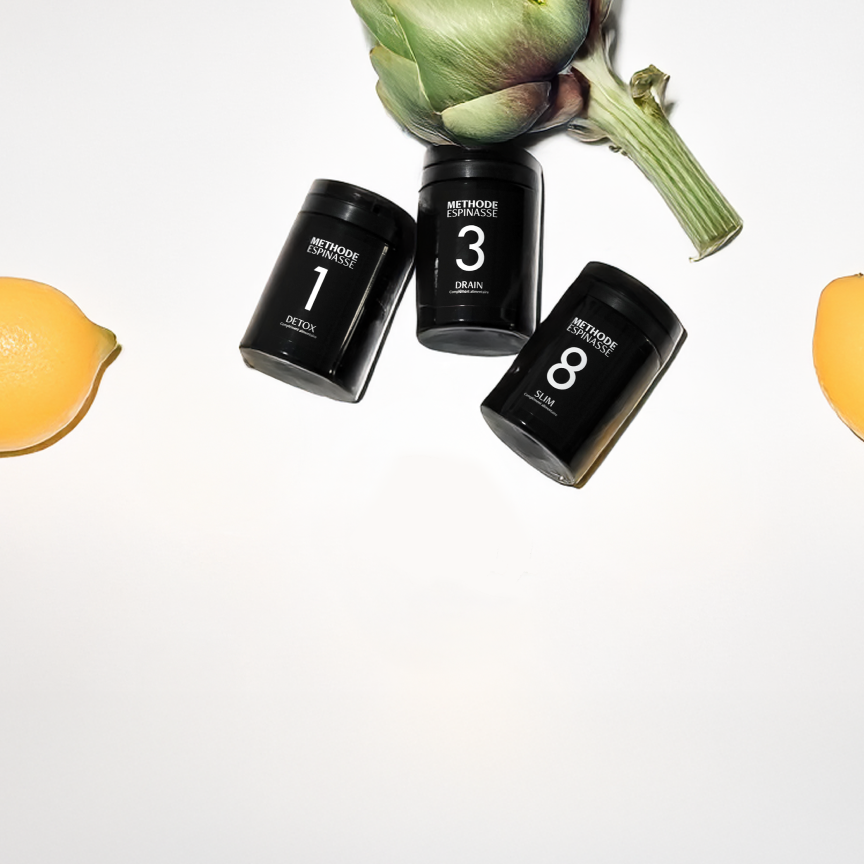
Découvrez 08 - Slim
Your ally for a slimmer figure and healthy weight

Journal
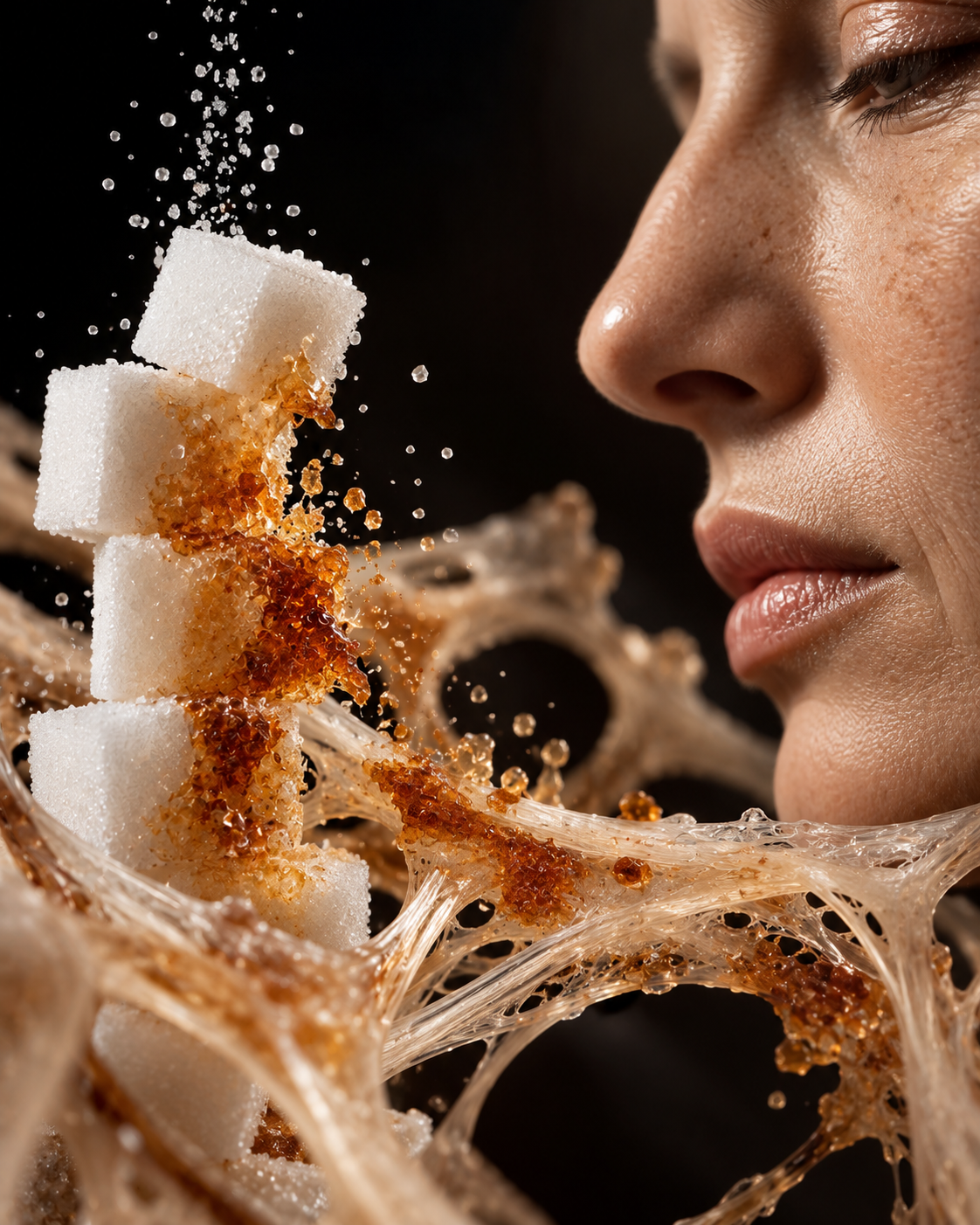
What if collagen could age without actually disappearing?
When we think about skin aging, we tend to focus on collagen loss, UV exposure, oxidative stress, or cellular senescence. But another, less visible process can gradually alter the proteins that give our skin its structure:
glycation.
The basic principle sounds surprisingly simple. Certain sugars can spontaneously react with proteins without the involvement of an enzyme. Through a cascade of chemical reactions, this process can eventually generate compounds known as Advanced Glycation End Products, or AGEs [1–3].
In the skin, this is particularly important because AGEs can accumulate on long-lived structural proteins such as collagen and elastin. They can alter their mechanical properties, promote certain types of cross-linking between fibers, and influence the cells surrounding them [1–4].
The potential result is an extracellular matrix that gradually becomes stiffer, less dynamic, and more difficult to remodel.
This leads to a question that has become increasingly popular in both nutrition and skincare:
Does sugar really make your skin age faster?
The scientific answer is more interesting than a simple yes.
Glycation is a non-enzymatic chemical reaction. In other words, it can occur spontaneously when a reducing sugar or certain reactive carbonyl compounds encounter chemical groups found on proteins, lipids, or nucleic acids [1–3].
In proteins, amino acids including lysine and arginine are important targets [2].
Glycation should not be confused with glycosylation.
Glycosylation is a controlled, enzyme-driven biological process that is essential for normal cellular function.
Glycation is different.
GLYCOSYLATION = controlled, enzymatic, physiological process
GLYCATION = spontaneous, non-enzymatic reaction
Glycation is therefore not a cellular program. It is a consequence of the chemistry that naturally occurs between certain molecules inside the body.
Advanced Glycation End Products do not form instantly.
They emerge through a series of chemical reactions.
Initially, a reducing sugar can react with an amino group on a protein to form a relatively unstable Schiff base. This can then undergo rearrangement to produce a more stable Amadori product.
From there, oxidation, dehydration, fragmentation, and other reactions can generate highly reactive carbonyl compounds and eventually a diverse family of molecules collectively known as AGEs [1–3].
In simplified terms:
REDUCING SUGAR + PROTEIN → SCHIFF BASE → AMADORI PRODUCT → INTERMEDIATE REACTIONS → AGEs
This cascade belongs to the broader family of chemical reactions known as the Maillard reaction.
Yes—the same general chemistry responsible for browning certain foods during cooking can also occur, much more slowly and under very different conditions, inside the human body.
In a sense, yes.
The Maillard reaction is usually associated with food: toasted bread, seared meat, browned crusts, roasted coffee.
Heat dramatically accelerates reactions between sugars and amino groups.
But glycation can also occur at normal body temperature, around 98.6°F or 37°C, simply at a much slower rate.
And here, time becomes critical.
A protein that is rapidly replaced has less time to accumulate complex chemical modifications. A protein that remains in the body for a long time has far greater exposure.
Collagen is precisely this kind of long-lived protein.
That is one reason collagen is particularly vulnerable to the gradual accumulation of glycation-related changes as we age [1,4].
Collagen is the major structural protein in the dermis. Its fibers help provide the skin with mechanical strength and structural integrity.
But dermal collagen is not completely replaced every few hours or days. Some collagen molecules remain in the extracellular matrix long enough to accumulate modifications associated with time, oxidative stress, and glycation.
AGEs can alter the physical properties of this collagen network and, in some cases, promote the formation of cross-links between collagen molecules [1,4].
Imagine several ropes that are normally able to slide slightly past one another. Now imagine gradually adding rigid connections between those ropes.
The entire structure becomes less mobile.
This provides a simple way to understand what some AGE-related cross-links can do within a collagen-rich matrix.
Experimental research comparing glycated collagen with tissues from people of different ages has shown that AGE accumulation is associated with changes in collagen organization and mechanical properties. Glycation can reduce sliding between fibrils and fibers, potentially contributing to a loss of tissue viscoelasticity [4].
The collagen does not necessarily disappear.
It becomes mechanically different.
Yes.
And this is exactly what makes glycation so interesting in the science of skin aging.
Collagen aging is not simply a matter of:
“We make less collagen as we get older.”
We also need to consider:
the quality of the collagen that is already there.
A collagen fiber can remain physically present within the extracellular matrix while undergoing chemical modifications that affect its flexibility, its interactions with surrounding molecules, and its ability to be normally remodeled [1,3,4].
There are therefore at least two different questions to ask:
COLLAGEN QUANTITY — How much collagen do we have?
and
COLLAGEN QUALITY — What condition is that collagen in?
Both matter when we talk about skin aging, wrinkles, firmness, and elasticity.
It can make normal remodeling more difficult.
The extracellular matrix is not a static scaffold. It is continuously maintained and remodeled by cells, particularly fibroblasts, and by enzymes capable of breaking down components of the matrix.
When collagen becomes extensively modified or cross-linked by certain AGEs, it can become more resistant to enzymatic degradation [1,3].
This creates an intriguing paradox:
Older collagen can become harder to remove.
Instead of being efficiently degraded and replaced, some modified structures may persist longer within the tissue.
This helps explain why AGEs tend to accumulate over time in long-lived proteins.
No.
The term AGEs can be misleading because it sounds as though we are talking about a single molecule.
We are not.
Advanced Glycation End Products are an extremely diverse family of compounds generated through multiple glycation and oxidation pathways [1–3].
Frequently studied AGEs and glycation markers include:
They do not all behave in the same way.
Some can cross-link proteins. Some are fluorescent. Some interact with cellular receptors. Others are primarily useful as biomarkers of exposure to glycation or carbonyl stress.
Talking about “AGEs” is therefore somewhat like talking about “lipids.”
It describes a large family of molecules, not one single compound.
Not exactly.
Methylglyoxal, or MGO, is a highly reactive carbonyl compound generated in part as a byproduct of glucose metabolism.
It is considerably more reactive than glucose itself and can rapidly modify arginine and lysine residues in proteins, contributing to the formation of Advanced Glycation End Products [2,3].
Fortunately, the human body has systems designed to control reactive carbonyl compounds, including the glyoxalase system, which plays an important role in detoxifying methylglyoxal.
Glycation therefore depends on much more than how much sugar happens to be in a dessert.
It reflects the balance between:
production of glycating compounds, metabolic exposure, detoxification systems, oxidative stress, protein turnover, and time.
Glycation and oxidative stress are closely connected.
Certain stages of AGE formation can generate reactive oxygen species, while oxidative stress can accelerate chemical reactions that contribute to AGE formation.
This interaction is sometimes described as:
glycoxidation.
The molecular aging of collagen therefore cannot always be neatly separated into glycation on one side and oxidation on the other.
The two processes can reinforce one another [1–3].
But AGEs can influence cellular biology in another important way.
They can also:
send signals.
One of the most widely studied mechanisms involves a receptor known as:
RAGE — the Receptor for Advanced Glycation End Products.
RAGE is expressed on several types of cells. Certain AGEs can bind to it and activate intracellular signaling cascades [1–3].
This interaction can promote pathways involving NF-κB, oxidative stress, and the production of inflammatory mediators [1–3].
The potential role of AGEs in skin aging can therefore be divided into at least two broad mechanisms.
1. STRUCTURAL EFFECTS
AGEs can directly modify proteins such as collagen and elastin, including by promoting certain cross-links and altering their mechanical properties.
2. CELLULAR SIGNALING EFFECTS
Certain AGEs can interact with RAGE and influence cellular signaling, oxidative stress, and the inflammatory environment.
In other words, glycation may do more than simply:
“make collagen stiffer.”
It can also change the biological environment in which skin cells function.
Fibroblasts are the primary cells responsible for producing and remodeling the extracellular matrix of the dermis.
Among other functions, they synthesize collagen and help organize connective tissue.
But fibroblasts do not operate independently of their mechanical environment. They continuously interact with the matrix surrounding them.
When that matrix becomes stiffer, more glycated, or structurally altered, communication between fibroblasts and the extracellular matrix may also become disrupted [3,5].
Experimental studies suggest that glycation-related stress can affect cellular viability, contraction of reconstructed collagen matrices, and the expression of certain structural proteins [5].
This leads to an especially interesting concept:
An aging extracellular matrix may contribute to aging cellular behavior.
Skin is not simply made up of cells aging inside a passive scaffold.
The scaffold itself ages too.
Collagen is not the only target of glycation.
AGEs can also accumulate on elastin, another major structural protein in the skin [1,3].
Elastin helps tissues stretch and return toward their original shape. Like collagen, it is a remarkably long-lived protein, making it susceptible to the accumulation of molecular modifications over time.
Glycation-related alterations have also been described in proteins involved in the dermal-epidermal junction and extracellular matrix, including fibrillin-1 [3,5].
Skin glycation should therefore be understood as a potential alteration of an entire structural network rather than an isolated attack on collagen alone.
Not directly.
There is no specific “glycation wrinkle” that can be reliably identified just by looking at someone’s skin.
Facial aging is the result of numerous interacting processes: changes in collagen and elastin, UV exposure, oxidative stress, hormonal changes, loss and redistribution of facial fat, bone remodeling, muscle activity, cellular senescence, and environmental factors.
AGEs are one piece of this puzzle, not a universal explanation for facial aging.
Nevertheless, dermatologic research has linked glycation with changes that may contribute to tissue stiffness, loss of elasticity, wrinkles, skin laxity, changes in pigmentation, and impaired repair capacity [1,3,5].
Recent reviews continue to identify glycation and AGE accumulation as meaningful mechanisms in skin aging, while emphasizing that clinical evidence for strategies capable of reversing these changes remains limited [5].
Certain AGEs do accumulate in tissues as we get older.
This makes particular biological sense in long-lived proteins such as collagen: the longer these proteins remain in the body, the more time they have to accumulate chemical modifications [1,4].
Some AGEs also have fluorescent properties. This has led to the development of techniques such as skin autofluorescence, which can be used as an indirect marker of tissue AGE accumulation.
Human studies have observed increases in skin autofluorescence with age in different populations [6].
But there is an important caveat:
Skin autofluorescence does not measure every AGE.
Not all AGEs are fluorescent, and the measurement can be influenced by characteristics of the skin itself.
It is therefore an indirect biomarker—not a universal glycation counter.
Diabetes has played a major historical role in our understanding of AGEs.
When blood glucose remains chronically elevated, proteins experience prolonged exposure to glucose and to a metabolic environment that favors glycation.
The most familiar example is:
HbA1c — glycated hemoglobin.
HbA1c is itself produced through the glycation of hemoglobin. Measuring it provides an estimate of average blood glucose exposure over the preceding weeks and months.
It illustrates a fundamental principle remarkably well:
The greater and more prolonged the exposure of a protein to glucose, the greater the opportunity for glycation.
In people with diabetes or chronic hyperglycemia, excessive AGE accumulation has been implicated in complications affecting the blood vessels, kidneys, nerves, and eyes [1–3].
But glycation is not exclusive to diabetes.
It also occurs as part of normal human aging.
This is where we need to resist the easy headline.
Saying:
“Sugar causes wrinkles”
is far too simplistic.
Eating carbohydrates produces a variable rise in blood glucose depending on the food, the amount consumed, the food matrix, the rest of the meal, and the individual’s metabolic response.
Chronic hyperglycemia clearly creates conditions that favor glycation.
But that does not mean eating one dessert immediately glycates the collagen in your face.
AGE formation and accumulation are gradual processes influenced by metabolism, time, oxidative stress, reactive carbonyl compounds, protein turnover, and many other factors [1–3].
A more scientifically accurate statement would be:
Chronic exposure to high levels of reducing sugars and reactive glycating compounds can promote glycation, while the progressive accumulation of AGEs can contribute to the aging of long-lived proteins such as collagen.
Less dramatic than:
SUGAR = WRINKLES.
Much more accurate.
Sun exposure adds another layer to the story.
UV-induced skin aging, or photoaging, involves oxidative stress, inflammation, DNA damage, and degradation and remodeling of the extracellular matrix.
UV radiation can also interact with AGE biology. Research has reported increased accumulation of certain AGEs in sun-exposed skin and suggests that glycation and photo-oxidation can amplify one another [1,3].
AGEs can increase oxidative stress.
UV radiation also generates reactive oxygen species.
This creates the potential for an amplifying cycle:
UV EXPOSURE → OXIDATIVE STRESS → GLYCOXIDATION / AGEs → RAGE + OXIDATIVE STRESS → EXTRACELLULAR MATRIX DAMAGE
This does not mean glycation is the primary mechanism behind photoaging.
UV radiation affects collagen through numerous other pathways, including increased activity of certain matrix metalloproteinases, or MMPs, enzymes involved in extracellular matrix degradation.
But photoaging and glycation can intersect.
This may be the most important concept to take away from Part 1.
Collagen aging is not a single biological process.
Over time, the dermal matrix may simultaneously experience:
So asking only:
“How can I boost collagen?”
captures just one part of the biology.
A second question may be equally important:
“How can we preserve the quality of the collagen we already have?”
This is where the science becomes especially interesting.
Preventing an AGE from forming is one challenge.
Capturing a reactive carbonyl compound before it modifies a protein is another.
Reducing RAGE activation represents yet another potential strategy.
But breaking an AGE-related cross-link that has already formed within a long-lived protein is an entirely different biological challenge.
A wide range of compounds have been investigated for potential anti-glycation effects, including aminoguanidine, carnosine, polyphenols, certain vitamins, methylglyoxal scavengers, RAGE-targeting approaches, and proposed AGE cross-link breakers [3,7].
Some of the laboratory findings are impressive.
The clinical evidence is:
far less so.
And that is where Part 2 begins.
Before buying an “anti-glycation” serum, eliminating every source of sugar from your diet, or taking carnosine to protect your collagen, several important questions remain:
Which foods actually contain the most AGEs? Do the AGEs we eat reach our tissues? Does grilling food produce more AGEs than steaming it? Can reducing dietary AGEs change human biomarkers? Can we actually prevent collagen glycation? And most importantly, can glycation that has already occurred ever be reversed?
This is where the distinction between compelling chemistry and clinical evidence becomes essential.
So far, we have mainly focused on endogenous AGEs—Advanced Glycation End Products formed inside the body.
But AGEs can also be found in food.
These are known as:
dietary AGEs, or dAGEs.
They occur naturally in some foods and can also be generated in greater amounts during food processing and cooking through Maillard reactions [8,9].
This is where an important distinction needs to be made:
The sugar we eat and the AGEs we eat are not the same thing.
A sugary food may affect blood glucose and, depending on the metabolic context, potentially influence endogenous glycation. A food high in dietary AGEs already contains glycation products formed before we eat it.
The two pathways can intersect biologically, but they should not be confused.
There is no rule as simple as:
“Sugary food = high-AGE food.”
In widely used experimental food databases, certain foods high in protein and fat—particularly animal-derived foods—can generate substantial amounts of AGEs when exposed to high, dry heat [8].
Some highly processed foods that undergo intensive thermal processing can also contain significant levels of Maillard reaction products.
By contrast, many fruits, vegetables, legumes, and grains tend to contain relatively low levels under commonly studied preparation methods [8,9].
But one of the biggest determinants of dietary AGE formation is not simply:
what you cook.
It is:
how you cook it.
Yes.
Temperature, cooking time, moisture, pH, and the composition of the food can all influence Maillard reactions.
In a major database analyzing more than 500 foods and preparations, researchers found that high-temperature dry-heat cooking methods generally generated substantially more AGEs than moist-heat cooking methods [8].
For comparable foods:
GRILLING / ROASTING / FRYING / SEARING → generally more AGEs
BOILING / POACHING / STEWING / STEAMING → generally fewer AGEs
The differences can be substantial. In experimental analyses, dry heat dramatically increased the formation of certain AGEs compared with uncooked versions of the same foods, although the magnitude varied widely depending on the food and cooking conditions [8].
This means nutrition is not only about calories, protein, carbohydrates, and fat.
Two meals with very similar macronutrients can have very different profiles of Maillard reaction products depending on how they were cooked.
Sometimes it can be a clue—but it is not a measurement.
The golden crust on roasted chicken, the browned surface of a grilled steak, toasted bread, or crispy potatoes all reflect complex chemical reactions that include Maillard chemistry.
Visible browning can therefore indicate that Maillard reactions have taken place.
But:
BROWN FOOD = DANGEROUS AGEs
would be a major oversimplification.
Maillard reactions generate hundreds of compounds. Not all of them are AGEs, and they do not all have the same biological effects.
The science simply tells us that the combination of higher temperature, lower moisture, and sufficient cooking time generally creates conditions that favor the formation of numerous Maillard reaction products, including certain AGEs [8,9].
It is not a particularly useful comparison.
A heavily grilled steak may contain more preformed dietary AGEs than the same food cooked in water.
A sugary dessert may have a different effect on blood glucose, insulin, and endogenous glucose exposure depending on its composition and the amount consumed.
And a dessert baked at high temperature can itself contain Maillard reaction products.
These are therefore two separate questions:
1. How many glycation products are already present in the food?
2. What effect will that food have on our metabolism and, potentially, endogenous glycation?
This is why dividing foods into simplistic categories of “glycating” and “non-glycating” foods is scientifically problematic.
One of the most practical findings in dietary AGE research is that AGE formation can be reduced without necessarily changing the food itself.
Experimental cooking studies suggest several strategies:
This does not mean giving up roasted food, a skillet, or the occasional barbecue.
The relevant concept is:
overall exposure.
A dietary pattern in which almost everything is routinely fried, grilled, roasted, ultra-processed, or heavily browned is not equivalent to one that incorporates a variety of cooking methods.
At least some of them are.
Estimates vary depending on the chemical form of the AGE and the methods used to measure absorption. Some Maillard reaction products are not absorbed and reach the colon, where they may interact with the gut microbiome.
Others—particularly certain lower-molecular-weight AGEs or compounds bound to small peptides—can cross the intestinal barrier [9].
This highlights one of the difficulties in dietary AGE research.
Talking about “AGE absorption” as though AGEs were a single molecule is misleading.
CML, MG-H1, pyrraline, and the many other Maillard-derived compounds do not necessarily share the same absorption, metabolism, or biological fate.
Some absorbed compounds can subsequently be eliminated, particularly through the kidneys.
Kidney function is therefore another important factor in AGE metabolism and clearance.
This is where the research becomes more clinically relevant.
Several intervention trials have compared relatively high-AGE and low-AGE diets. Some have reported reductions in circulating AGEs as well as changes in markers associated with oxidative stress, inflammation, and insulin sensitivity [10–12].
The results, however, are not entirely consistent.
Studies use different AGE measurements, populations, durations, and dietary protocols. It can also be difficult to separate the effect of dietary AGEs from broader differences in overall diet quality.
A more recent randomized crossover trial in healthy participants is particularly interesting because researchers used essentially the same ingredients while changing the cooking methods. Lower-AGE cooking methods, including boiling and steaming, reduced certain serum AGE measurements and produced differences in several metabolic parameters compared with higher-AGE cooking methods [13].
This strengthens the idea that:
how we cook food may have biological consequences beyond its macronutrient content.
But we are still far from being able to say that a low-AGE diet prevents wrinkles or slows skin aging in humans.
That clinical evidence does not currently exist.
In some circumstances, yes.
When blood glucose is chronically elevated, reducing excessive glucose exposure and improving glycemic control logically reduces certain glycation reactions.
HbA1c provides an everyday clinical example. When long-term blood glucose control improves, glycated hemoglobin gradually decreases.
But in a metabolically healthy person, this does not mean eliminating all dietary sugar will somehow remove AGEs already embedded within collagen.
We need to distinguish between:
REDUCING THE CONDITIONS THAT FAVOR NEW GLYCATION
and
REVERSING GLYCATION THAT HAS ALREADY OCCURRED.
These are two very different biological problems.
The scientific evidence does not justify eliminating all sugar or carbohydrates for the purpose of preventing collagen glycation.
What is biologically more relevant is avoiding chronically excessive glucose exposure, particularly in the context of insulin resistance, prediabetes, or diabetes.
For the general population, reducing excessive glycation fits more logically within the broader goal of maintaining metabolic health through dietary quality, physical activity, appropriate energy balance, and prevention of chronic hyperglycemia.
Fruit is a useful example.
Fruit contains sugars.
But it also contains water, fiber, micronutrients, and numerous bioactive compounds within a food matrix that is fundamentally different from a sugar-sweetened beverage.
Reducing nutrition to:
SUGAR → GLYCATION → WRINKLES
does not reflect human physiology.
Not directly.
Because glycation and oxidative stress can interact, numerous antioxidants and polyphenols have been investigated for their potential effects on AGE formation [7,14].
Many natural compounds show interesting anti-glycation activity in vitro.
But slowing a glycation reaction in a laboratory model is not the same as preventing collagen glycation in a living human after oral supplementation.
For any compound to have a clinically meaningful effect, we need to consider:
absorption, bioavailability, metabolism, tissue concentration, and duration of exposure.
This is one reason why the scientific literature on “natural anti-glycation compounds” tends to look much more impressive in the laboratory than it does in clinical practice.
Carnosine is one of the most frequently discussed natural compounds in anti-glycation research.
It is a dipeptide composed of beta-alanine and histidine and is naturally present in tissues including skeletal muscle.
Carnosine has several biologically interesting properties. Among them, it can react with certain reactive carbonyl compounds and has demonstrated anti-glycation and carbonyl-scavenging activity in experimental models [7,14].
The mechanism is compelling:
If certain reactive carbonyl compounds can be captured before they modify a protein, it may theoretically be possible to reduce the formation of certain AGEs.
But human biology makes the story more complicated.
Orally consumed carnosine can be rapidly broken down by an enzyme known as carnosinase. And although human studies have investigated carnosine supplementation in several metabolic contexts, we do not currently have robust clinical evidence showing that oral carnosine:
prevents dermal collagen glycation or reduces wrinkles in humans.
Carnosine is therefore a biologically interesting candidate.
It is not a clinically proven “AGE eraser.”
The story of aminoguanidine, also known as pimagedine, is particularly instructive.
Aminoguanidine can trap certain reactive carbonyl intermediates and thereby inhibit the formation of some AGEs.
Experimental results were promising enough for the compound to enter clinical development, particularly for complications associated with diabetes [15].
On paper, the concept was extremely appealing:
Stop AGEs from forming before they damage tissues.
But clinical trials did not establish aminoguanidine as a standard therapy, with questions emerging around both efficacy and safety [15].
Aminoguanidine therefore illustrates one of the most important rules in longevity science:
A compelling mechanism does not automatically make a successful drug.
And it certainly does not automatically make a clinically proven anti-aging treatment.
This may be the holy grail of anti-glycation research.
Preventing new glycation is one thing.
But what happens once cross-links have already formed between long-lived proteins?
Compounds known as AGE cross-link breakers have been investigated with the goal of disrupting certain established AGE-related bonds.
The most famous is:
alagebrium, or ALT-711.
In animal models, alagebrium produced interesting effects on vascular stiffness and cardiovascular function. Small human trials also generated preliminary signals [16].
But alagebrium never became a standard clinical treatment for glycation or aging.
Most importantly, this research does not mean that we currently know how to:
“break the AGEs in your skin collagen.”
There is currently no validated oral treatment or skincare product proven to remove the full spectrum of AGE-related cross-links accumulated in human collagen.
The concept itself is scientifically plausible.
But “anti-glycation skincare” can describe very different things.
A topical ingredient might demonstrate an ability, under experimental conditions, to:
A comprehensive 2025 review identified numerous synthetic and naturally derived compounds investigated for AGE-related skin aging [7].
But the levels of evidence vary dramatically.
Some evidence comes from chemical assays.
Some from cultured cells.
Some from animal models.
Far less comes from:
robust clinical dermatology trials in humans.
So seeing “anti-glycation” on a skincare product does not automatically mean:
“This product has been clinically proven to remove AGEs from human collagen.”
Those are very different claims.
Yes and no.
We can measure certain biomarkers of glycation.
HbA1c, for example, measures glycated hemoglobin and is one of the most important clinical biomarkers of long-term blood glucose control.
Specific AGEs can also be measured in blood or urine using different analytical methods.
Skin autofluorescence can provide an indirect estimate of the accumulation of certain fluorescent AGEs in tissue.
But there is currently no single test that can tell you:
“The collagen in your face is 37% glycated.”
AGE biology is far too heterogeneous to be reduced to one universal glycation score.
Glycation probably cannot be eliminated completely.
It is part of the chemistry associated with normal aging.
But several strategies are biologically reasonable for limiting excessive exposure to conditions that favor AGE formation:
None of these strategies is particularly spectacular.
But this is often how the biology of aging works:
less like an on/off switch and more like the cumulative effect of repeated exposures over time.
Glycation is a non-enzymatic chemical reaction in which certain sugars or reactive carbonyl compounds interact with proteins, lipids, or nucleic acids. Over time, these reactions can contribute to the formation of Advanced Glycation End Products, or AGEs.
AGE stands for Advanced Glycation End Product.
AGEs are not a single molecule. They are a large and chemically diverse family of compounds.
Chronically elevated glucose exposure can promote glycation, and AGEs can modify long-lived proteins such as collagen. But saying that eating sugar directly “causes wrinkles” is an oversimplification.
Not necessarily. Glycation can chemically modify collagen, promote certain cross-links, alter its mechanical properties, and make some collagen structures more difficult to remodel.
Certain AGE-related cross-links can increase the stiffness of the collagen network and reduce normal sliding between collagen fibrils and fibers.
There is currently no validated treatment proven to reliably remove the full spectrum of AGEs and AGE-related cross-links accumulated in human collagen.
High-temperature, dry-heat cooking methods such as grilling, frying, roasting, and searing generally generate more AGEs than moist-heat methods such as boiling, poaching, stewing, or steaming [8,9,13].
There is no evidence that eating grilled food occasionally directly ages your skin. High-temperature dry cooking can, however, generate more Maillard reaction products and certain dietary AGEs. Overall dietary exposure matters more than an occasional meal.
Acidic marinades containing ingredients such as lemon juice or vinegar can reduce the formation of certain AGEs during cooking by lowering pH and altering Maillard reaction chemistry [8].
Carnosine has interesting anti-glycation and carbonyl-scavenging properties in experimental research. Robust clinical evidence showing that oral carnosine prevents collagen aging or reduces wrinkles in humans is currently lacking.
At present, no dietary supplement has been robustly demonstrated to remove AGEs already accumulated in human dermal collagen.
There is no clinically established “anti-glycation diet” proven to prevent skin aging. Maintaining metabolic health, avoiding chronic hyperglycemia, emphasizing minimally processed foods, and regularly using lower-AGE cooking methods are more evidence-based principles than following a restrictive anti-glycation protocol.
Glycation is a real and well-established biological process.
Certain sugars and reactive carbonyl compounds can spontaneously react with proteins. Over time, these reactions can generate AGEs that accumulate on long-lived structural proteins including collagen and elastin [1–4].
Some AGEs can directly alter the mechanical properties of the extracellular matrix. Others can participate in signaling pathways involving RAGE, oxidative stress, and inflammation [1–3].
Chronic hyperglycemia clearly promotes glycation. UV exposure, oxidative stress, smoking, and aging can also intersect with these mechanisms.
We also know that some cooking methods generate more dietary AGEs than others [8,9], and human studies suggest that changing dietary AGE exposure can influence certain biomarkers [10–13].
What we have not demonstrated is that an anti-glycation strategy can:
Glycation is therefore best understood as:
an established mechanism of molecular aging, but a therapeutic target we do not yet fully know how to control.
The answer is:
yes—but not in the simplistic way that statement suggests.
Glycation is real. Glucose and other reactive compounds can participate in chemical reactions that eventually generate Advanced Glycation End Products. These AGEs can accumulate on collagen, promote certain cross-links, alter its mechanical properties, and interact with cells in the skin.
Chronically excessive glucose exposure can accelerate this process.
But:
Eating one dessert does not instantly “caramelize” the collagen in your face.
Skin aging is the result of decades of interactions between genetics, metabolism, UV exposure, smoking, diet, hormones, inflammation, oxidative stress, cellular turnover, and the extracellular matrix.
Glycation is not the only cause.
It is:
one of the mechanisms.
And it teaches us something fundamental about how skin ages.
Protecting the skin is not only about producing more collagen.
It may also be about preserving:
the quality of the collagen we already have.
Because a protein can still be present—
and yet have biologically aged.
[1] Gkogkolou P, Böhm M. Advanced glycation end products: Key players in skin aging? Dermato-Endocrinology. 2012;4(3):259–270. DOI: 10.4161/derm.22028.
URL: https://pubmed.ncbi.nlm.nih.gov/23467327/
[2] Rowan S, Bejarano E, Taylor A. Mechanistic targeting of advanced glycation end-products in age-related diseases. Biochimica et Biophysica Acta – Molecular Basis of Disease. 2018;1864(12):3631–3643. DOI: 10.1016/j.bbadis.2018.08.036.
URL: https://pubmed.ncbi.nlm.nih.gov/?term=Mechanistic+targeting+of+advanced+glycation+end-products+in+age-related+diseases
[3] Chen CY, Zhang JQ, Li L, et al. Advanced Glycation End Products in the Skin: Molecular Mechanisms, Methods of Measurement, and Inhibitory Pathways. Frontiers in Medicine. 2022;9:837222. DOI: 10.3389/fmed.2022.837222.
URL: https://pubmed.ncbi.nlm.nih.gov/?term=Advanced+Glycation+End+Products+in+the+Skin+Molecular+Mechanisms+Methods+of+Measurement+and+Inhibitory+Pathways
[4] Gautieri A, Redaelli A, Buehler MJ, Vesentini S. Age- and diabetes-related nonenzymatic crosslinks in collagen fibrils: candidate amino acids involved in Advanced Glycation End-products. Matrix Biology. 2014;34:89–95.
URL: https://pubmed.ncbi.nlm.nih.gov/?term=Age+diabetes+nonenzymatic+crosslinks+collagen+fibrils+Gautieri
[5] Advanced glycation end products and skin aging: mechanisms and therapeutic perspectives. Review of experimental and clinical evidence.
URL: https://pubmed.ncbi.nlm.nih.gov/?term=advanced+glycation+end+products+skin+aging
[6] Skin autofluorescence and the accumulation of advanced glycation end products with age. Human observational studies.
URL: https://pubmed.ncbi.nlm.nih.gov/29616620/
[7] Choi JY, Ha NG, Lee WJ, Boo YC. Synthetic and Natural Agents Targeting Advanced Glycation End-Products for Skin Anti-Aging: A Comprehensive Review of Experimental and Clinical Studies. Antioxidants. 2025;14(4):498. DOI: 10.3390/antiox14040498.
URL: https://pubmed.ncbi.nlm.nih.gov/40298870/
[8] Uribarri J, Woodruff S, Goodman S, et al. Advanced Glycation End Products in Foods and a Practical Guide to Their Reduction in the Diet. Journal of the American Dietetic Association. 2010;110(6):911–916.e12. DOI: 10.1016/j.jada.2010.03.018.
URL: https://pubmed.ncbi.nlm.nih.gov/20497781/
[9] Snelson M, Coughlan MT. Dietary Advanced Glycation End Products: Digestion, Metabolism and Modulation of Gut Microbial Ecology. Nutrients. 2019;11(2):215. DOI: 10.3390/nu11020215.
URL: https://pubmed.ncbi.nlm.nih.gov/?term=Dietary+Advanced+Glycation+End+Products+Digestion+Metabolism+Modulation+Gut+Microbial+Ecology
[10] Baye E, de Courten MPJ, Walker K, et al. Effect of dietary advanced glycation end products on inflammation and cardiovascular risks in healthy overweight adults: a randomized crossover trial. Scientific Reports. 2017.
URL: https://pubmed.ncbi.nlm.nih.gov/?term=dietary+advanced+glycation+end+products+randomised+crossover+trial
[11] Kellow NJ, Savige GS. Dietary advanced glycation end-product restriction for the attenuation of insulin resistance, oxidative stress and endothelial dysfunction: a systematic review. European Journal of Clinical Nutrition. 2013;67:239–248.
URL: https://pubmed.ncbi.nlm.nih.gov/?term=dietary+advanced+glycation+end-product+restriction+systematic+review
[12] Clarke RE, Dordevic AL, Tan SM, Ryan L, Coughlan MT. Dietary Advanced Glycation End Products and Risk Factors for Chronic Disease: A Systematic Review of Randomized Controlled Trials. Nutrients. 2016;8(3):125. DOI: 10.3390/nu8030125.
URL: https://pubmed.ncbi.nlm.nih.gov/26938557/
[13] Wellens J, et al. Cooking methods affect advanced glycation end products and lipid profiles: A randomized cross-over study in healthy subjects. Randomized crossover human study.
URL: https://pmc.ncbi.nlm.nih.gov/articles/PMC12147844/
[14] Hipkiss AR. Carnosine and its possible roles in nutrition and health. Research on carnosine, reactive carbonyl species, and protein glycation.
URL: https://pubmed.ncbi.nlm.nih.gov/?term=carnosine+glycation+Hipkiss
[15] Bolton WK, Cattran DC, Williams ME, et al. Randomized trial of an inhibitor of formation of advanced glycation end products in diabetic nephropathy. American Journal of Nephrology. 2004;24(1):32–40. DOI: 10.1159/000075627.
URL: https://pubmed.ncbi.nlm.nih.gov/14568006/
[16] Bakris GL, Bank AJ, Kass DA, et al. Advanced glycation end-product cross-link breakers: a novel approach to cardiovascular pathologies related to the aging process. Clinical research on alagebrium (ALT-711).
URL: https://pubmed.ncbi.nlm.nih.gov/15607432/