DIETARY SUPPLEMENTS

Découvrez 08 - Slim
Your ally for a slimmer figure and healthy weight

Journal
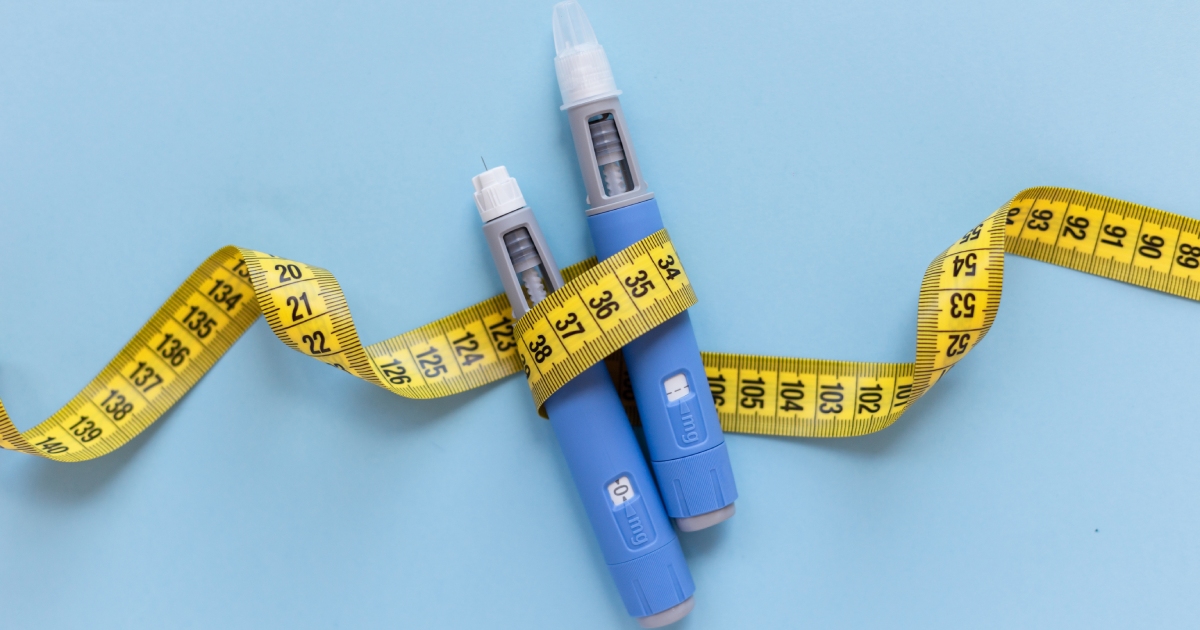
Ozempic is probably the weight-loss medication that has generated the most attention in recent years.
Some describe it as a therapeutic breakthrough, while others portray it as a potential health risk.
As is often the case in medicine, the reality is far more nuanced.
Ozempic represents a major advance for certain individuals living with obesity or metabolic complications.
However, it is neither a miracle solution nor a substitute for the fundamental pillars of health, including nutrition, physical activity, and long-term lifestyle habits.
Ozempic is the brand name for semaglutide.
It belongs to a class of medications known as GLP-1 receptor agonists (Glucagon-Like Peptide-1) [1].
It was initially developed for the treatment of type 2 diabetes but quickly attracted scientific interest because of its effects on body weight.
Another formulation of semaglutide, marketed under the name Wegovy, is now specifically approved for the treatment of obesity in several countries [2].
GLP-1 is a hormone naturally produced by the intestine after eating.
It performs several important functions:
Semaglutide mimics the action of this hormone.
It also acts on several regions of the brain involved in appetite regulation and eating behavior [4].
This explains why many people report:
The STEP clinical trials showed that some patients treated with semaglutide lost approximately 10% to 15% of their body weight after more than one year of treatment, although results varied considerably between individuals [5].
Some people lose significantly more.
Others respond less favorably.
Results depend on many factors, including:
Obesity is now recognized as a complex chronic disease.
It results from the interaction of numerous factors:
For many years, available medications produced relatively modest results.
The effectiveness of semaglutide therefore generated tremendous interest among physicians, researchers, and the general public.
Social media and celebrity testimonials also contributed significantly to the rapid rise in popularity of Ozempic.
Weight loss is not the only benefit observed with semaglutide.
Clinical studies have also shown improvements in several metabolic markers, including:
More recent studies have also demonstrated cardiovascular benefits in certain high-risk populations [8].
These findings explain why semaglutide is now considered a major advance in the treatment of obesity and metabolic disease.
No.
This is probably the most important point to understand.
Ozempic primarily works by making it easier to reduce calorie intake.
It does not eliminate the factors that contributed to weight gain in the first place.
By itself, it does not change:
The medication can be an extremely valuable tool.
However, it does not replace the deeper work required to achieve long-term health improvements.
In the next section, we will examine the side effects, limitations, and the conditions that appear to produce the most sustainable results.
Like all medications, Ozempic can cause side effects.
The most common are gastrointestinal [9]:
These symptoms typically occur when treatment begins or when the dose is increased.
For many people, they gradually improve over time.
However, tolerance varies considerably from one person to another.
Some individuals tolerate the medication extremely well.
Others may struggle to continue treatment because of persistent digestive symptoms.
To date, semaglutide has been extensively studied, and its safety profile is relatively well established [10].
That does not mean it is harmless.
Like any medication, it requires appropriate medical evaluation and follow-up.
The benefit-risk balance depends on several factors, including:
For some people living with obesity or metabolic complications, the potential benefits can be substantial.
For others, the value of treatment may be more limited.
This has become one of the most debated questions surrounding semaglutide.
The answer is yes: part of the weight lost during treatment can come from lean body mass, including muscle mass [11].
However, this is not unique to Ozempic.
Virtually all significant weight loss is accompanied by some degree of lean mass loss.
The real challenge is therefore to preserve as much muscle as possible during weight reduction.
Several factors are essential:
Preserving muscle mass is particularly important because muscle plays a major role in:
Ozempic reduces appetite.
It does not teach people how to eat differently.
The medication facilitates a spontaneous reduction in food intake, but by itself it does not change:
One of the most common mistakes is assuming that the medication alone is enough.
In reality, the best outcomes are generally observed when treatment is combined with meaningful changes in nutrition and lifestyle [12].
Many people gradually lose their natural sense of portion sizes and satiety.
By reducing hunger and food cravings, Ozempic can make this re-education process easier.
It may therefore create an opportunity to:
These behavioral changes are often essential for maintaining long-term results.
Obesity is a complex disease that cannot be reduced to a simple calorie equation.
Hormones, sleep, stress, the microbiome, and genetics all play important roles.
However, long-term weight loss still depends on achieving a sustainable energy deficit.
Ozempic makes that deficit easier to achieve by reducing food intake.
It does not replace it.
This is why working on portion sizes and understanding overall calorie intake remain fundamental.
The goal is not obsessive calorie counting.
The goal is to learn how to build an eating pattern that supports a healthier and more stable body weight over the long term.
This is probably one of the most important questions.
Studies show that weight regain is common after discontinuing treatment, particularly when no lasting lifestyle changes have been implemented [13].
This does not mean the medication stops working.
It means that the biological and behavioral mechanisms that contributed to the original weight gain often remain present after treatment ends.
This is why physical activity, muscle preservation, and nutritional rebalancing remain central components of long-term weight management.
In the final section of this article, we will discuss who may truly benefit from Ozempic and why it should be viewed as a therapeutic tool rather than a miracle solution.
Ozempic was not developed to help otherwise healthy people lose a few pounds before summer.
It is a medication intended for specific medical situations.
Semaglutide is currently used for the treatment of type 2 diabetes and, in certain formulations and indications, for the management of obesity and overweight associated with metabolic complications [1,2].
For some people living with obesity, Ozempic represents a genuine therapeutic breakthrough.
Obesity is a chronic disease that increases the risk of numerous complications, including:
In this context, sustained weight loss can have major health benefits.
Yes.
Recent research suggests that the benefits of semaglutide extend well beyond weight reduction.
The SELECT trial showed an approximately 20% reduction in major adverse cardiovascular events in overweight or obese adults with established cardiovascular disease, even in the absence of diabetes.
Other studies also suggest potential benefits in several metabolic and inflammatory conditions, although additional research is still needed to fully understand the extent of these effects.
These findings explain the tremendous interest surrounding GLP-1 medications today.
This is a more nuanced question.
The answer always depends on the individual’s medical situation and should be discussed with a healthcare professional.
However, using a medication such as Ozempic solely to lose a few pounds for cosmetic reasons raises several important considerations:
The smaller the excess weight, the more carefully the potential benefits and risks should be evaluated.
Physical activity remains one of the foundations of metabolic health.
It helps:
Exercise is particularly important during treatment with Ozempic because some of the weight lost may come from lean mass.
When food intake decreases substantially, the risk of inadequate protein intake increases.
Adequate protein consumption contributes to:
Combining a protein-rich diet with resistance training is probably one of the most effective strategies for preserving muscle during weight loss.
Yes, but several conditions appear to be particularly important.
The most durable outcomes are generally observed when treatment is combined with:
Ozempic can make these changes easier by reducing hunger and food cravings.
It does not replace them.
Ozempic represents a major therapeutic advance for certain individuals living with obesity or metabolic complications.
Scientific evidence shows that it can promote significant weight loss and improve several health markers, including cardiovascular outcomes.
However, it should not be viewed as a miracle solution.
Long-term success still depends on the foundations of health:
Ozempic can be an extremely valuable tool.
But, as is often the case in medicine, the best results are achieved when it is integrated into a comprehensive and long-term approach to health.
Clinical trials have shown average weight loss of approximately 10% to 15% of body weight, although individual responses vary considerably [9].
Weight regain is common after discontinuation, particularly when lasting lifestyle changes have not been implemented [13].
Part of the weight lost may come from lean body mass, which is why adequate protein intake and regular exercise are so important [11].
Its safety profile is now relatively well established, but it remains a prescription medication that requires appropriate medical supervision [10].
Certain formulations of semaglutide are approved for obesity management in people without diabetes, depending on local regulations and indications [2].
Dr. Valérie Espinasse is a Doctor of Pharmacy, specialist in Predictive and Preventive Medicine, and expert in micronutrition.
For more than twenty years, she has helped patients optimize their health through an approach grounded in cellular biology, precision nutrition, functional medicine, and preventive healthcare.
Through her proprietary Cellular Nutrition® framework, Dr. Espinasse develops strategies designed to support the biological mechanisms involved in metabolism, low-grade inflammation, gut microbiome health, and metabolic resilience.
Over the course of her career, she has supported more than 20,000 patients and conducted more than 15,000 advanced biological assessments.
[1] Wilding JPH et al. Once-Weekly Semaglutide in Adults with Overweight or Obesity.
https://pubmed.ncbi.nlm.nih.gov/33567185/
[2] Rubino DM et al. Effect of Continued Weekly Subcutaneous Semaglutide vs Placebo on Weight Loss Maintenance.
https://pubmed.ncbi.nlm.nih.gov/33755728/
[3] Blüher M. Obesity: Global Epidemiology and Pathogenesis.
https://pubmed.ncbi.nlm.nih.gov/31055089/
[4] Lincoff AM et al. Semaglutide and Cardiovascular Outcomes in Obesity Without Diabetes.
https://pubmed.ncbi.nlm.nih.gov/37952131/
[5] Deanfield J et al. Semaglutide and Cardiovascular Outcomes by Baseline Characteristics in the SELECT Trial.
https://pubmed.ncbi.nlm.nih.gov/41138739/
[6] Booth FW et al. Exercise and Chronic Disease Prevention.
https://pubmed.ncbi.nlm.nih.gov/22895303/
[7] Phillips SM et al. Protein Requirements and Muscle Mass Maintenance.
https://pubmed.ncbi.nlm.nih.gov/26797090/
[8] Marso SP et al. Semaglutide and Cardiovascular Outcomes in Patients with Type 2 Diabetes.
https://pubmed.ncbi.nlm.nih.gov/27633186/
[9] STEP Trial Investigators. Once-Weekly Semaglutide in Adults with Overweight or Obesity.
https://pubmed.ncbi.nlm.nih.gov/33567185/
[10] Ryan DH et al. Safety and Tolerability of Semaglutide.
https://pubmed.ncbi.nlm.nih.gov/33567185/
[11] Rubino F et al. Changes in Body Composition During Semaglutide-Induced Weight Loss.
https://pubmed.ncbi.nlm.nih.gov/33755728/
[12] Jensen MD et al. 2013 AHA/ACC/TOS Guideline for the Management of Overweight and Obesity in Adults.
https://pubmed.ncbi.nlm.nih.gov/24222017/
[13] Rubino DM et al. Weight Regain and Cardiometabolic Effects After Withdrawal of Semaglutide.
https://pubmed.ncbi.nlm.nih.gov/35441470/