DIETARY SUPPLEMENTS

Découvrez 08 - Slim
Your ally for a slimmer figure and healthy weight

Journal
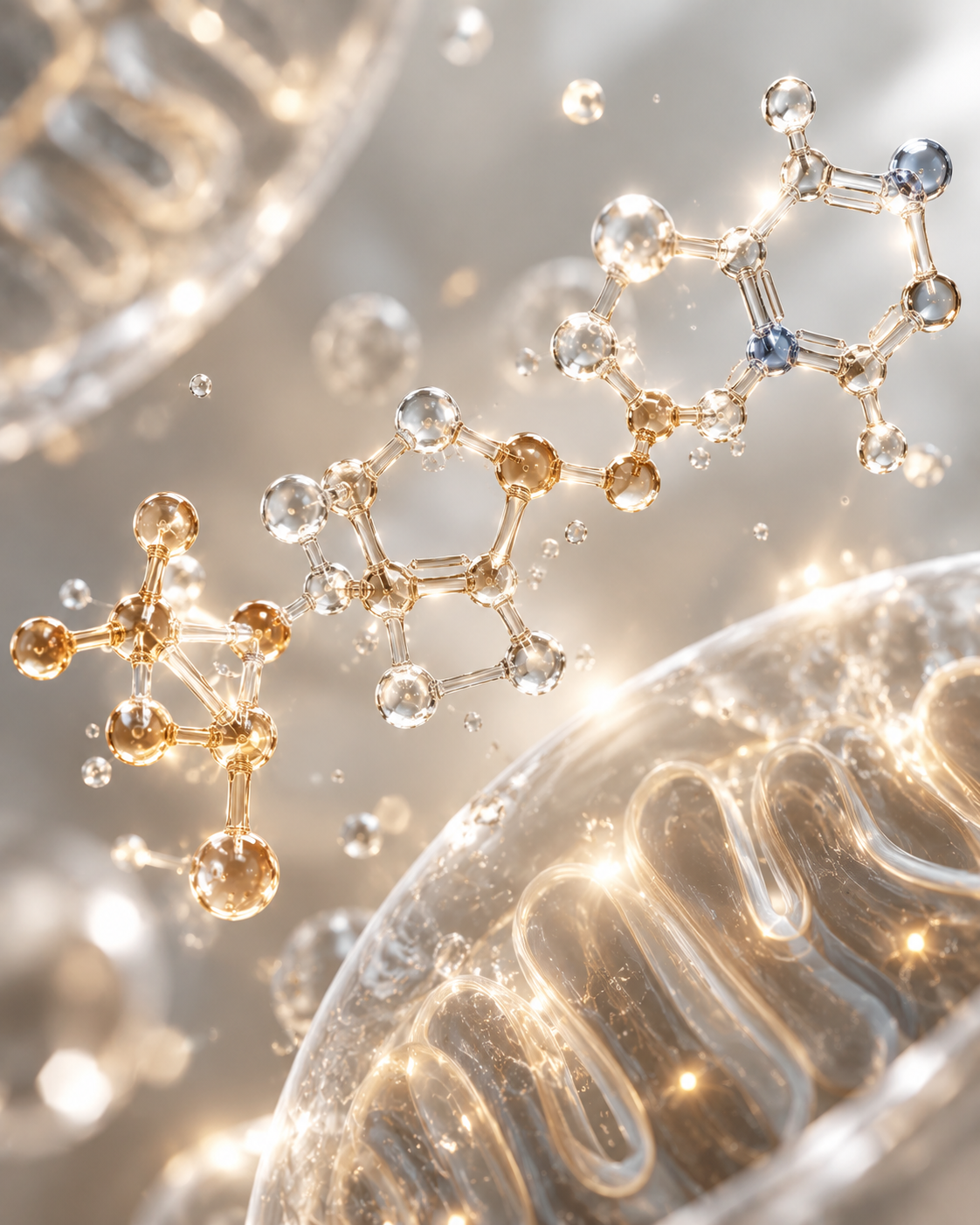
NAD+ has become one of the most talked-about molecules in longevity science, preventive medicine, and healthy aging.
NMN supplements. Nicotinamide riboside (NR). NAD+ boosters. NAD+ IV drips. Strategies designed to raise NAD+ levels are everywhere, often accompanied by extraordinary claims.
More energy. Better mitochondrial function. Enhanced DNA repair. Improved metabolism. Younger cells. Even slower aging.
Behind the hype, however, lies a genuinely fascinating biological reality.
Nicotinamide adenine dinucleotide, or NAD, is essential to cellular function. In its oxidized form, NAD+, and its reduced form, NADH, it sits at the heart of energy metabolism. But its role extends far beyond energy production. NAD+ is also used by several families of enzymes involved in cellular signaling, responses to DNA damage, metabolism, and multiple biological processes associated with aging [1–3].
Basic research has also shown that NAD+ metabolism changes with age across numerous biological models. In some animal models, restoring NAD+ levels can improve metabolic and physiological parameters associated with aging [1].
But one crucial question remains:
Does this mean we can “recharge” our cells with NAD+ and slow human aging?
The scientific answer is far more complex.
To understand why, we first need to go inside the cell.
NAD stands for nicotinamide adenine dinucleotide.
It is a molecule naturally found in our cells and is essential to a vast number of biochemical reactions.
NAD exists primarily in two closely related forms:
NAD+, its oxidized form;
NADH, its reduced form.
These two forms can be converted back and forth.
This ability allows the NAD+/NADH pair to transfer electrons during numerous metabolic reactions.
To understand why that matters, we first need to understand how a cell turns nutrients into usable energy.
When we eat carbohydrates, fats, or proteins, our bodies cannot directly use the energy contained in food in its original form.
Nutrients must first be digested and absorbed, then processed through a complex series of metabolic reactions.
Glucose, for example, can enter a pathway that begins with glycolysis. Products generated during glucose metabolism can then feed into the citric acid cycle—also known as the Krebs cycle or TCA cycle—and ultimately into the mitochondrial respiratory chain.
Fatty acids follow different metabolic pathways, including beta-oxidation, before converging on mechanisms that also contribute to cellular energy production.
Throughout these processes, electrons are transferred from one molecule to another.
And this is precisely where NAD+ becomes essential.
NAD+ can accept electrons during certain metabolic reactions.
When it accepts reducing equivalents, it becomes NADH.
NADH can then transfer those electrons to other systems, including the mitochondrial respiratory chain.
Very simply, the cycle can be represented as:
NAD+ → accepts electrons → NADH → transfers electrons → NAD+
This continuous recycling is essential to many of the reactions that allow cells to extract energy from nutrients.
NAD+ and NADH therefore act as electron carriers within cellular metabolism.
But they are not, themselves, synonymous with energy.
This is one of the most important distinctions to understand.
NAD+ is not ATP.
ATP—adenosine triphosphate—is the cell’s primary energy currency.
Cells use ATP to power countless biological processes, including muscle contraction, active transport across cell membranes, molecular synthesis, maintenance of ion gradients, and many other essential functions.
NAD+, by contrast, participates in metabolic reactions that help transfer energy from nutrients into the systems that ultimately contribute to ATP production.
In highly simplified terms:
nutrients → metabolic reactions → NADH → mitochondrial respiratory chain → ATP production
The actual biochemistry is considerably more complex, but this distinction helps correct one of the most common misconceptions surrounding NAD+:
NAD+ is not an energy molecule that can simply be added to a cell like charging a battery.
It is part of the biochemical machinery that allows cells to process and manage energy.
Mitochondria are organelles found in most human cells.
They play a central role in energy metabolism, particularly through oxidative phosphorylation, the process responsible for producing a large proportion of cellular ATP.
The inner mitochondrial membrane contains a series of protein complexes collectively known as the electron transport chain.
NADH can donate electrons to this chain, notably through Complex I.
The progressive transfer of these electrons helps generate a proton gradient across the inner mitochondrial membrane.
That gradient is then used by an enzyme called ATP synthase to produce ATP.
In simplified terms:
NADH → electron transfer → mitochondrial proton gradient → ATP synthase → ATP
This is one reason NAD+ is so closely associated with mitochondrial function and cellular energy [1,2].
But this association has often been transformed into a much stronger claim:
“More NAD+ automatically means more cellular energy.”
Human studies do not support such a simple conclusion.
No.
For a cell to produce ATP efficiently, numerous systems must function properly, including:
Increasing the concentration of a single metabolic intermediate therefore does not necessarily make the entire system work faster or better.
Human research illustrates this distinction directly.
In a study involving 12 older men, supplementation with 1 gram of nicotinamide riboside (NR) per day for 21 days altered the skeletal muscle NAD+ metabolome [4].
But this increase in NAD+-related metabolites did not improve skeletal muscle mitochondrial bioenergetics [4].
In another clinical trial involving 40 men with obesity and insulin resistance, 12 weeks of NR supplementation did not significantly improve mitochondrial respiration, mitochondrial content, or mitochondrial network morphology in skeletal muscle [5].
These findings illustrate a fundamental principle in biology:
Changing a biomarker does not necessarily change biological function.
Because NAD+ does much more than participate in energy metabolism.
NAD+ has at least two major biological roles.
The first is its function as a redox coenzyme, particularly through the NAD+/NADH pair.
The second is very different:
NAD+ can be consumed as a substrate by specific enzymes.
These include:
These enzymes participate in biological processes ranging from metabolic regulation and protein modification to cellular signaling and responses to DNA damage [1–3].
This second dimension is one of the major reasons NAD+ has moved to the center of longevity and aging research.
Sirtuins are a family of NAD+-dependent enzymes.
Humans have seven known sirtuins: SIRT1 through SIRT7.
They do not all perform the same functions, nor are they located in the same parts of the cell.
Some are primarily associated with the nucleus, others with the cytoplasm, while several—including SIRT3, SIRT4, and SIRT5—are closely associated with mitochondria.
Sirtuins can alter the activity of proteins by removing certain chemical groups, including through NAD+-dependent deacetylation reactions.
Through these mechanisms, they participate in the regulation of numerous cellular processes related to metabolism, stress responses, and cellular homeostasis [1–3].
This is why sirtuins are sometimes described as “longevity enzymes.”
But that phrase can be misleading.
The relationship between sirtuins, aging, and longevity has been studied extensively.
In several model organisms, manipulating certain sirtuins can affect metabolism, stress resistance, and, under certain experimental conditions, longevity-related outcomes.
In humans, the picture is far more complicated.
Sirtuins clearly participate in important biological mechanisms, and their activity depends on NAD+.
But this does not mean:
more NAD+ → more sirtuin activity → longer life.
No clinical trial has demonstrated that raising NAD+ levels extends human lifespan.
A more scientifically accurate statement is that sirtuins represent one of the molecular links between NAD+ metabolism and several cellular processes involved in aging [1–3].
Our DNA is continuously exposed to damage.
Some of that damage results from normal cellular activity. Other damage can arise from environmental factors such as ultraviolet radiation, certain chemicals, or oxidative stress.
The body therefore has numerous systems designed to detect and repair DNA damage.
Among the proteins involved are PARPs—poly(ADP-ribose) polymerases.
Certain PARPs are activated in response to DNA damage and use NAD+ as a substrate to generate ADP-ribose chains on different proteins.
These modifications help coordinate cellular responses to DNA damage, including the recruitment and organization of repair machinery [1–3].
NAD+ is therefore genuinely connected to certain DNA repair mechanisms.
But once again, it is important to distinguish a biological mechanism from a marketing claim.
That claim goes too far.
NAD+ is required for the activity of certain enzymes involved in cellular responses to DNA damage.
That does not mean artificially increasing NAD+ levels in a healthy person automatically increases the body’s overall ability to repair DNA.
DNA repair involves multiple distinct enzymatic pathways and depends on the type of damage, the tissue involved, cellular state, and many other biological factors.
It is therefore scientifically accurate to say:
“NAD+ participates in pathways involved in the response to and repair of DNA damage.”
It is much less accurate to say:
“NAD+ repairs DNA.”
This distinction is essential when interpreting longevity research.
CD38 is a protein with, among other functions, enzymatic activity capable of consuming NAD+.
It is expressed by several cell types and plays multiple roles in cellular signaling and immune function.
Its relevance to aging stems in part from an important observation in animal models: CD38 activity appears to increase with age and may contribute to the age-related decline in NAD+ observed in certain tissues [6].
In a study published in Cell Metabolism, researchers showed in mice that CD38 expression and activity increased with age and contributed to declining NAD+ levels and certain forms of mitochondrial dysfunction [6].
Mice lacking CD38 maintained higher NAD+ levels.
This discovery significantly influenced our understanding of age-related changes in NAD+ metabolism.
It suggests an important concept:
NAD+ levels may decline not only because cells make less of it, but also because they consume more of it.
However, this remains primarily a preclinical mechanistic finding.
The precise quantitative contribution of CD38 to human aging is considerably less well established [1–3].
NAD+ is not simply recycled back and forth between NAD+ and NADH.
Some biochemical reactions actually consume it.
Sirtuins use NAD+ as a co-substrate.
PARPs can consume NAD+ during cellular responses to DNA damage.
CD38 has substantial NADase activity.
Cells must therefore continually synthesize and recycle NAD+ in order to maintain adequate NAD+ pools.
NAD+ levels ultimately reflect a dynamic balance:
NAD+ synthesis ↔ NAD+ consumption
When this balance changes, NAD+ availability within specific cellular compartments can change as well [1–3,7].
The human body has several pathways for producing NAD+.
It can use different precursors derived from vitamin B3 metabolism as well as tryptophan metabolism.
Major NAD+ precursors include:
These compounds do not all follow the same metabolic pathway.
In mammals, a substantial proportion of NAD+ is regenerated through the salvage pathway, which recycles nicotinamide produced when NAD+ is consumed [1,7].
An enzyme called **NAMPT—nicotinamide phosphoribosyltransferase—**plays a central role in the NAD+ salvage pathway.
NAMPT converts nicotinamide into NMN.
NMN can subsequently be converted into NAD+ by other enzymes.
Very simply:
nicotinamide → NAMPT → NMN → NAD+
This pathway allows cells to efficiently recycle nicotinamide and maintain their NAD+ pools.
Changes in NAMPT activity or expression have been proposed as one mechanism that may contribute to age-related changes in NAD+ metabolism [1,7].
This is also one reason NMN supplements have attracted so much attention in longevity research: NMN sits directly within a pathway used to synthesize NAD+.
These three molecules are frequently confused.
They are not the same.
NAD+ is the molecule directly used in numerous cellular reactions.
NMN—nicotinamide mononucleotide—is a precursor that can contribute to NAD+ synthesis.
NR—nicotinamide riboside—is another NAD+ precursor. It can be phosphorylated to form NMN, which can subsequently contribute to NAD+ synthesis.
In highly simplified terms:
NR → NMN → NAD+
Actual human metabolism is more complicated, particularly because the fate of these compounds depends on tissue type, transport mechanisms, intestinal and hepatic metabolism, and enzyme availability.
Still, this distinction is essential when discussing NAD+ supplements and NAD+ boosters.
Most clinical trials investigating oral strategies to raise NAD+ do not administer NAD+ itself.
Instead, researchers generally use NAD+ precursors, particularly NR or NMN.
This is probably one of the most frequently repeated statements in longevity:
“NAD+ levels decline as we age.”
The scientific reality is more nuanced.
Age-related reductions in NAD+ have been observed in numerous experimental models and in some human tissues [1,7].
Several potential mechanisms have been proposed, including:
These findings have led researchers to hypothesize that reduced NAD+ availability may contribute to some age-associated biological changes [1,7].
But the human evidence is considerably less consistent than the animal evidence.
We cannot currently say that it does.
An important clinical review published in Nature Metabolism in 2025 reassessed the evidence surrounding NAD+ and human aging [3].
Its conclusions are much more cautious than the narrative commonly found in the longevity industry.
The authors noted that an age-related decline in NAD+ has been consistently demonstrated in only a limited number of human studies [3].
There are also relatively few studies directly measuring NAD+ across different human tissues during aging.
And NAD+ is not a single homogeneous reservoir circulating throughout the body.
There are distinct NAD+ pools across:
Blood NAD+ therefore does not necessarily provide a direct picture of NAD+ levels in skeletal muscle, the brain, the liver, or other tissues.
This distinction is crucial.
Technically, NAD+ and related metabolites can be measured in biological samples.
Interpreting an individual NAD+ level, however, is much more difficult.
The result can depend on:
There is currently no universally accepted clinical threshold that allows a practitioner to say:
“Your NAD+ is too low.”
and then:
“You need to raise it to this level to slow aging.”
NAD+ remains a complex cellular metabolite rather than a standardized clinical biomarker of biological aging.
Because the hypothesis is biologically compelling.
Across numerous animal models, aging is associated with disruptions in NAD+ metabolism. Restoring NAD+ availability can sometimes improve metabolic, mitochondrial, or physiological parameters [1].
This led to an appealing model:
aging → NAD+ ↓ → cellular dysfunction
followed by:
restore NAD+ → cellular function ↑ → slower aging
But the second equation does not automatically follow from the first.
In humans, several questions need to be answered separately:
Does NAD+ actually decline?
In which tissue?
In whom?
By how much?
Is lower NAD+ a cause of aging, a consequence of aging, or both?
Does raising NAD+ restore biological function?
And most importantly, does restoring that function produce a meaningful clinical benefit?
These are separate scientific questions.
Human research is only beginning to answer them [3].
Here, the evidence is considerably stronger.
Several clinical trials show that certain NAD+ precursors—particularly nicotinamide riboside—can alter NAD+ metabolism in humans.
In a randomized, double-blind, placebo-controlled crossover trial published in Nature Communications in 2018, healthy middle-aged and older adults received nicotinamide riboside for six weeks [8].
NR was generally well tolerated and increased several NAD+-related metabolites [8].
This provided an important proof of concept:
Oral supplementation can alter NAD+ metabolism in humans.
Subsequent studies using both NR and NMN have produced similar evidence.
But this immediately raises another critical distinction.
No such effect has been demonstrated.
Showing that a supplement increases blood NAD+ or NAD+-related metabolites is a pharmacokinetic or metabolic finding.
It does not automatically demonstrate:
Each of these outcomes has to be investigated independently in sufficiently rigorous clinical trials.
And this is precisely where the results become far more mixed.
The 2025 Nature Metabolism review summarizes the situation clearly: while preclinical studies strongly support the potential relevance of targeting NAD+ metabolism in aging, human clinical trials have so far shown limited efficacy [3].
The distinction between raising NAD+ levels and producing a meaningful clinical benefit may therefore be the single most important concept in understanding the current science.
Several human studies suggest that nicotinamide mononucleotide (NMN) can also increase blood NAD+ or related metabolites.
One of the best-known clinical trials was published in Science in 2021 and involved postmenopausal women with overweight or obesity and prediabetes [9].
For ten weeks, 13 women received 250 mg of NMN per day, while 12 received placebo.
Researchers observed improved skeletal muscle insulin sensitivity and changes in certain insulin-signaling and muscle-remodeling parameters in the NMN group [9].
The study attracted considerable attention because it provided one of the first demonstrations in humans of a functional metabolic effect associated with NMN supplementation.
But the study was small.
It also prompted scientific discussion over an important baseline difference in liver fat content between the two groups [10].
The investigators responded that skeletal muscle insulin sensitivity—the key outcome in question—was comparable between groups before the intervention and argued that the baseline hepatic difference did not account for the observed muscle effect [11].
The debate illustrates exactly how clinical science should be interpreted:
A positive result does not immediately become a universal truth. It needs to be challenged, replicated, and confirmed in other populations.
At this point, there is not enough high-quality clinical evidence to conclude that NMN is generally superior to NR, or vice versa, for slowing human aging.
Both molecules are NAD+ precursors.
Both have been investigated in human trials.
Both can modify certain markers of NAD+ metabolism.
But studies differ substantially in:
Comparing two compounds across unrelated clinical trials cannot establish that one is superior to the other.
The more scientifically useful question is therefore not yet:
“NMN or NR—which one should I take?”
It is:
“In which population, at what dose, for how long, and for which clinical outcome can each NAD+ precursor produce a meaningful effect?”
And this is precisely where human trials become particularly revealing.
Because once we move from “Can we raise NAD+?” to “Does raising NAD+ improve health?”, the scientific picture becomes far more complex.
We know that certain NAD+ precursors—particularly nicotinamide riboside (NR) and nicotinamide mononucleotide (NMN)—can alter NAD+ metabolism in humans.
But demonstrating that a compound raises blood NAD+ is only the first step.
The more important question is:
Does raising NAD+ actually translate into measurable improvements in human health?
This is where the contrast between preclinical research and human clinical evidence becomes particularly important.
In cells and animal models, restoring NAD+ has produced numerous encouraging findings related to metabolism, mitochondrial function, aging, and certain age-related conditions [1,12].
In humans, the results are considerably more mixed.
A 2025 review published in Nature Metabolism concluded that despite highly encouraging preclinical evidence, clinical trials of NAD+ precursor supplementation have so far shown limited efficacy across the clinical outcomes studied [3].
This does not mean NAD+ is irrelevant.
It means we need to distinguish between three different levels of evidence:
biological mechanism → biomarker change → clinical benefit.
These are not interchangeable.
Nicotinamide riboside (NR) is one of the most extensively studied NAD+ precursors in humans.
Several trials have confirmed that oral NR can alter NAD+ metabolism [4,8].
Its effects on overall metabolic health, however, are much less clear.
In a randomized, double-blind, placebo-controlled clinical trial, 40 sedentary men between the ages of 40 and 70 with obesity and insulin resistance received either NR or placebo for 12 weeks [13].
The dose was substantial: 1,000 mg twice daily, for a total of 2 grams of NR per day.
Researchers assessed insulin sensitivity using the hyperinsulinemic-euglycemic clamp, a reference method for measuring insulin action.
Despite the high dose, NR did not significantly improve:
Researchers therefore did not observe the dramatic metabolic improvements that preclinical findings might have led us to expect [13].
The study illustrates a critical principle:
An NAD+ precursor can alter NAD+ metabolism without necessarily improving whole-body metabolic health.
The evidence surrounding NMN is similarly mixed.
As discussed in Part 1, a small study published in Science in 2021 found improved skeletal muscle insulin sensitivity after ten weeks of supplementation with 250 mg of NMN per day in 25 postmenopausal women with overweight or obesity and prediabetes [9].
That finding remains an interesting clinical signal.
But when researchers pool the available trials, the effect becomes much less clear.
A systematic review and meta-analysis published in 2024 analyzed eight randomized controlled trials involving 342 middle-aged or older adults. NMN doses ranged from 250 to 2,000 mg per day, with intervention periods ranging from 14 days to 12 weeks [14].
Researchers found no statistically significant benefit of NMN supplementation on:
Another meta-analysis including 12 studies and 513 participants confirmed that NMN could significantly raise blood NAD levels, while showing far less convincing effects on most metabolic outcomes [15].
Once again, we arrive at the same distinction:
Blood NAD+ ↑ does not automatically mean metabolic health ↑.
There are several possible explanations.
Clinical trials of NAD+ precursors do not all study the same populations.
Participants have included:
Doses, treatment duration, and clinical endpoints also vary substantially.
But another possibility is particularly important:
The effects of NAD+ precursors may depend on a person’s baseline biological state.
If a tissue does not have a functionally relevant disruption in NAD+ metabolism, increasing certain NAD+-related metabolites may not produce a meaningful benefit.
Conversely, specific populations with particular metabolic disturbances might potentially respond more strongly.
This remains a hypothesis rather than an established clinical principle, but it may help explain some of the variability observed across human trials [3,16].
This is one of the most common claims surrounding NAD+.
The biological rationale makes sense: NAD+/NADH plays a central role in mitochondrial metabolism, several sirtuins are located within mitochondria, and aging is associated with changes in mitochondrial function.
But human clinical trials do not show that raising NAD+ automatically improves mitochondrial function.
In older men receiving 1 gram of NR per day for 21 days, Elhassan and colleagues observed substantial changes in the skeletal muscle NAD+ metabolome [4].
Yet they found no corresponding improvement in skeletal muscle mitochondrial bioenergetics [4].
Similarly, in men with obesity and insulin resistance who received NR for 12 weeks, researchers found no significant improvement in mitochondrial respiration, mitochondrial content, or skeletal muscle mitochondrial network morphology [5].
The statement:
“NAD+ is essential to mitochondrial metabolism”
is biologically well supported.
The statement:
“Taking an NAD+ booster improves your mitochondria”
has not been established as a general clinical effect in humans.
Aging is often associated with a progressive decline in muscle mass, strength, and physical function.
Because skeletal muscle has high energy demands and mitochondrial metabolism is central to muscle physiology, NAD+ precursors have naturally been investigated as potential interventions for age-related muscle decline.
So far, the results are not particularly convincing.
A 2025 systematic review and meta-analysis examined the effects of NMN and NR on muscle mass and physical function in adults whose mean ages ranged from approximately 61 to 83 years [16].
Researchers found no significant improvement with NMN in:
The broader evidence also failed to show clear improvements in knee-extension strength, thigh muscle mass, or several measures of physical performance [16].
The authors concluded that current evidence does not support recommending NMN or NR to preserve muscle mass or physical function in adults over 60 [16].
Future studies may identify effects in specific populations or under different conditions.
But based on current evidence, the idea that NAD+ precursors can “rejuvenate aging muscle” is not supported by human clinical data.
Some individual studies have nevertheless reported interesting signals.
In a randomized, double-blind, placebo-controlled study published in 2024, 60 older adults received either 250 mg of NMN per day or placebo for 12 weeks [17].
The primary endpoint involved a measure of motor function.
There was no significant difference between groups on the primary motor outcome after either four or 12 weeks [17].
Some secondary outcomes, however, favored NMN.
After 12 weeks, participants in the NMN group had a shorter four-meter walking time, along with increased blood NAD+ and related metabolites [17].
Improvements in certain sleep-related measures were also reported.
These findings require caution.
The study was relatively small, the favorable differences primarily involved secondary endpoints, and several authors were employed by the company involved with the product being studied [17].
The results are therefore best viewed as signals that warrant further investigation—not proof that NMN improves mobility in older adults.
The brain has exceptionally high energy demands.
NAD+ metabolism, mitochondrial function, oxidative stress, neuroinflammation, and cellular repair mechanisms have therefore attracted considerable interest in research on brain aging and neurodegenerative disease [12,18].
Preclinical findings are extensive.
Human evidence remains limited.
A randomized placebo-controlled trial investigated NR in 20 older adults with mild cognitive impairment [18].
NR supplementation substantially increased blood NAD+ concentrations.
But cognitive performance—including scores on the Montreal Cognitive Assessment (MoCA)—did not improve relative to placebo [18].
In other words:
Blood NAD+ increased. Measured cognition did not.
Exploratory changes in certain biomarkers and imaging parameters were also reported, but they do not establish a cognitive benefit [18].
At present, there is therefore insufficient evidence to conclude that NR or NMN improves memory or slows cognitive aging in humans.
NAD+ metabolism is being studied in the context of neurodegenerative diseases because of its connections to energy metabolism, mitochondrial function, cellular stress responses, and certain DNA repair mechanisms [12].
But there is an enormous difference between:
identifying a biological pathway that may be involved in disease
and
demonstrating that targeting that pathway prevents or treats the disease.
Current clinical evidence does not show that NAD+, NR, or NMN prevents Alzheimer’s disease or other forms of dementia.
Human studies still need to establish whether altering NAD+ metabolism can produce clinically meaningful neurological benefits [3,19].
A small number of clinical trials have reported signals related to sleep, particularly with NMN.
The 2024 trial involving 60 older adults found improvements in certain secondary measures related to sleep quality [17].
Other studies have explored whether the timing of NMN supplementation might influence fatigue or sleep-related outcomes.
These findings are interesting but remain too limited to consider NMN a treatment for sleep disorders.
Sleep is regulated by highly complex circadian, neurological, hormonal, and behavioral mechanisms.
NAD+ metabolism does interact with the molecular circadian clock in experimental models [1].
But this does not establish a simple clinical relationship in humans:
NMN → NAD+ → better sleep.
The word “energy” can mean two very different things.
In biochemistry, energy refers in part to cellular energy metabolism and ATP production.
In everyday life, “having more energy” usually means something subjective: feeling less tired, more alert, more physically capable, or more mentally focused.
These concepts are not equivalent.
NAD+ is unquestionably involved in cellular energy metabolism.
But raising NAD+ does not automatically mean that a person will feel more energetic.
Current clinical trials do not consistently demonstrate that NR or NMN supplementation increases vitality or reduces fatigue in the general population [3,19].
The term “anti-aging” becomes problematic when it is presented as a scientific conclusion.
In animal models, interventions targeting NAD+ metabolism have influenced various age-related biological processes and, under some experimental conditions, aspects of health across the lifespan [1,12].
In humans, however, no clinical trial has demonstrated that NAD+, NR, or NMN:
Some studies are investigating biomarkers associated with aging, but changing a biomarker cannot automatically be interpreted as slowing whole-body aging.
The scientifically accurate statement is:
NAD+ metabolism is involved in multiple biological processes associated with aging and represents an important target in longevity research.
That is very different from saying:
NAD+ slows human aging.
Clinical trials have used widely varying doses.
In trials included in a recent meta-analysis examining glucose and lipid metabolism, oral NMN doses ranged from 250 mg to 2,000 mg per day, with intervention periods ranging from 14 days to 12 weeks [14].
Several studies have used 250 mg per day, including the Science trial investigating skeletal muscle insulin sensitivity [9] and the 2024 study in older adults [17].
This does not mean that 250 mg is an established “optimal anti-aging dose.”
There is currently no universal dose of NMN proven to slow aging or improve health across all populations.
NR doses in human trials have also varied considerably.
Some studies have used several hundred milligrams per day, others 1 gram per day, while the trial involving men with obesity and insulin resistance used 2 grams per day for 12 weeks [13].
Again, a higher dose does not necessarily mean a greater benefit.
The 2-gram-per-day trial did not significantly improve insulin sensitivity or several other metabolic outcomes [13].
The unanswered scientific question remains:
Which molecule, at which dose, for how long, in which population, and for which biological outcome?
Current evidence does not establish a universal requirement to take NMN or NR on an empty stomach in order to maximize clinical benefits.
Studies have used different protocols, and the pharmacokinetics of these molecules and their metabolites are complex.
It is also important to distinguish between:
maximizing blood concentrations
and
maximizing clinical benefit.
Even if a particular dosing condition altered the pharmacokinetics of an NAD+ precursor, that would not automatically mean it improves health or aging outcomes.
The relationship between NAD+ metabolism and circadian rhythms is biologically interesting.
NAD+ and certain NAD+-dependent enzymes participate in molecular feedback loops connected to the circadian clock [1].
But clinical evidence does not currently establish a universally optimal time of day for NAD+ precursor supplementation in humans.
Highly specific recommendations sometimes found online—such as “NMN must always be taken in the morning”—therefore go beyond what current evidence can support.
Available clinical trials suggest that NMN and NR are generally well tolerated over the short term at the doses studied [8,13–15].
That conclusion needs context.
Most trials have lasted only a few weeks or months.
Sample sizes are often relatively small.
We therefore know much less about:
A major 2025 review of clinical strategies targeting NAD+ specifically emphasized the need for larger studies to determine optimal doses, routes and frequency of administration, interindividual variability, and long-term safety [19].
“Well tolerated for 8 or 12 weeks” does not mean “proven safe for several years.”
The question is more complex than it sounds.
NAD+ is essential to cellular life.
But in biology, the fact that a molecule is essential does not mean that continually increasing it is necessarily better.
NAD+ metabolism is tightly regulated and connected to numerous cellular pathways.
We do not yet know the consequences of chronically increasing specific NAD+ pools over many years in people who do not have an identified deficiency or dysfunction.
This is precisely why long-term safety studies remain important [19].
This question appears periodically in the scientific literature and requires careful interpretation.
Cancer cells also require energy, biosynthetic pathways, and mechanisms that support cellular survival.
NAD+ metabolism is involved in the biology of many cell types, including tumor cells.
This does not mean that NMN or NR supplements “cause cancer.”
Current human evidence does not establish such a relationship.
But it does mean that it would be scientifically premature to assume that chronically increasing NAD+ is necessarily beneficial in every biological context.
The long-term safety of sustained NAD+-raising strategies therefore requires further investigation across different populations and disease states [12,19].
NAD+ itself is available in some oral supplement formulations, but most clinical research on orally increasing NAD+ metabolism has focused on NAD+ precursors, particularly NR and NMN.
The oral bioavailability and metabolic fate of intact NAD+ differ from those of its precursors and are less well characterized in clinical aging studies.
Results obtained with NR or NMN therefore cannot automatically be extrapolated to an oral supplement containing NAD+ itself.
NAD+ IV therapy has become increasingly popular at certain longevity and wellness clinics.
IV NAD+ is promoted for a remarkably wide range of purposes:
energy, recovery, mental clarity, “detox,” addiction recovery, physical performance, and anti-aging.
The clinical evidence, however, remains very limited.
A pilot study published in 2019 investigated the metabolic fate of 750 mg of NAD+ administered intravenously over six hours [20].
The study included eight participants receiving NAD+ and three controls.
Researchers examined plasma and urinary NAD+ metabolites during and after the infusion.
The study provided interesting information about the metabolism of intravenously administered NAD+.
But it did not demonstrate that NAD+ IV therapy:
Recent clinical reviews continue to characterize the human evidence surrounding IV NAD+ as preliminary and insufficient to establish efficacy, durability of benefit, optimal dosing, or long-term safety [21].
At this stage, NAD+ IV therapy has advanced commercially much faster than it has scientifically.
There is a legitimate biological rationale: NAD+ is a fundamental cellular molecule, and its metabolism is an important area of biomedical research.
But biological plausibility is not the same as therapeutic evidence.
Human studies of intravenous NAD+ remain limited, generally small, and often lack the methodological features required to establish a meaningful clinical benefit [20,21].
Transient adverse effects—including nausea, cramping, flushing, and chest discomfort—have also been reported in the emerging literature on NAD+ infusions [21].
At present, presenting NAD+ IV therapy as a scientifically proven anti-aging treatment would therefore go well beyond the available evidence.
This is a fundamental question in longevity research.
Animal models allow scientists to investigate biological mechanisms in ways that would be impossible in humans.
Researchers can:
Human biology is radically different.
We live for decades.
Our genetics, environments, diets, health conditions, medications, and lifestyles vary enormously.
And researchers obviously cannot repeatedly sample the brain, liver, skeletal muscle, and other organs of thousands of healthy people simply to quantify every intracellular NAD+ pool.
An intervention that improves metabolic health or lifespan in a mouse is therefore never, by itself, evidence that it will slow human aging.
Because the biological rationale remains extremely strong.
NAD+ sits at the intersection of several fundamental systems:
energy metabolism
mitochondrial function
redox reactions
cellular signaling
sirtuins
PARPs
DNA damage responses
CD38
inflammation
cellular homeostasis
There is also human evidence showing that certain aspects of NAD+ metabolism can be modified through nutritional or pharmacological interventions [3,8,14,15].
The scientific question is therefore not whether NAD+ matters.
It does.
The question is whether artificially raising NAD+ can produce clinical benefits that are sufficiently meaningful, reproducible, and durable to become a genuine strategy for prevention or treatment.
That question remains open.
After decades of research, the evidence can be separated into different levels of certainty.
What we know reasonably well:
What remains less certain:
What current evidence does not justify claiming:
This may be one of the most important questions for the future of NAD+ research.
The first generation of NAD+-based longevity strategies followed a relatively simple logic:
NAD+ declines with age → therefore, raise NAD+.
Human research is gradually pointing toward a far more precise approach.
NAD+ is not a single reservoir.
Its metabolism varies by tissue, intracellular compartment, age, metabolic state, and likely many other factors [3].
The question may therefore become:
Who actually has disrupted NAD+ metabolism, in which tissue, through which mechanism, and what intervention can correct it?
One person might theoretically have excessive NAD+ consumption driven by specific enzymes.
Another might have impaired NAD+ biosynthesis.
A third might have no clinically meaningful NAD+ disruption at all.
Giving all three the same “NAD+ booster” would not necessarily produce the same result.
This reflects a much more modern understanding of nutrition and preventive medicine:
not simply adding a molecule, but identifying the cellular mechanism we are trying to support.
This principle lies at the heart of Cellular Nutrition®.
NAD+ occupies a fascinating position in human biology.
It participates in energy metabolism, mitochondrial function, redox reactions, and the activity of enzymes involved in cellular signaling, stress responses, and certain DNA repair mechanisms [1–3].
NAD+ metabolism changes during aging in numerous experimental models, and reductions have been observed in certain human tissues and populations.
But the idea that NAD+ universally and dramatically declines in every human being as we age is far less firmly established than is often suggested [3].
We also know that precursors such as NR and NMN can increase certain markers of NAD+ metabolism in humans [8,14,15].
That is an important finding.
But it does not answer the most important question:
Does raising NAD+ improve human health?
So far, the answer depends on what outcome we measure.
Some small clinical trials have identified interesting signals, including improved skeletal muscle insulin sensitivity in a specific population [9] and changes in certain secondary measures of physical function and sleep [17].
But several controlled trials have failed to show improvements in insulin sensitivity, mitochondrial function, or other metabolic outcomes [4,5,13].
Recent meta-analyses similarly suggest that while NMN can increase blood NAD, it does not produce significant and reproducible improvements across many metabolic markers [14,15].
And when it comes to longevity itself, no study has demonstrated that NR, NMN, or NAD+ IV therapy extends human lifespan.
NAD+ should therefore be viewed neither as a scientifically baseless wellness fad nor as a miracle molecule capable of “recharging” aging.
The reality is far more interesting.
NAD+ is a fundamental molecule in cellular biology whose metabolism we are now learning to modify in humans. The challenge is to determine when, in whom, and in which tissues those changes can translate into meaningful health benefits.
That is likely where the real frontier of NAD+ and longevity research lies today.
NAD+, or nicotinamide adenine dinucleotide, is a coenzyme essential to numerous cellular reactions. It plays a central role in energy metabolism and is also used as a substrate by enzymes including sirtuins, PARPs, and CD38 [1–3].
NAD+ is the oxidized form of nicotinamide adenine dinucleotide, while NADH is its reduced form. Their reversible conversion allows electrons to be transferred during cellular energy metabolism.
NAD+ is directly used in many cellular reactions. NMN and NR are precursors that can be used by the body to synthesize NAD+.
Age-related reductions have been observed in several animal models and in certain human tissues. However, human evidence remains limited and does not establish a universal decline in NAD+ across every tissue and every individual as they age [3].
The body continually produces and recycles NAD+ using several precursors, including compounds related to vitamin B3 and tryptophan. Nutritional status, metabolism, and multiple cellular processes therefore contribute to maintaining NAD+ pools.
Several human trials show that NMN supplementation can increase blood NAD+ or related metabolites [14,15]. This does not automatically mean that NMN slows aging or improves health.
Yes. Several human trials have shown that nicotinamide riboside (NR) can alter NAD+ metabolism and increase certain NAD+-related metabolites [4,8].
Current evidence does not establish the overall clinical superiority of NMN over NR, or vice versa. Doses, populations, treatment duration, and clinical endpoints differ too substantially across studies to draw that conclusion.
This has not been demonstrated in humans. NMN can increase certain NAD+ markers, and some trials have reported effects on specific physiological outcomes, but there is currently no evidence that it slows overall human aging [3,14,15].
NAD+ plays a fundamental role in cellular energy metabolism. However, raising NAD+ through supplementation does not automatically translate into feeling more energetic, and clinical evidence does not demonstrate a consistent effect on vitality.
NAD+/NADH is essential to mitochondrial metabolism. However, several human trials that successfully altered NAD+ metabolism did not observe corresponding improvements in skeletal muscle mitochondrial function [4,5].
NAD+ is used by certain enzymes, including PARPs, involved in cellular responses to DNA damage. It therefore participates in certain DNA repair pathways, but saying that “NAD+ repairs DNA” is an oversimplification.
Current clinical evidence does not show that NMN is an effective weight-loss treatment. Trials and meta-analyses have not demonstrated sufficiently consistent metabolic benefits to support its use for weight loss [14,15].
This has not been demonstrated. In a small trial involving older adults with mild cognitive impairment, NR increased blood NAD+ without producing a corresponding improvement in measured cognitive performance [18].
Human evidence remains too limited to conclude that NAD+ IV therapy improves longevity, energy, cognition, or aging. Existing studies are small and largely exploratory [20,21].
Both appear to be generally well tolerated over the short term at doses studied in clinical trials. However, evidence regarding continuous supplementation over several years remains insufficient [19].
Current evidence does not establish that chronically raising NAD+ is necessary or beneficial for everyone. Long-term safety and the populations most likely to benefit remain active areas of research [19].
This has not been demonstrated in humans. Some interventions targeting NAD+ metabolism have produced interesting findings in animal models, but no clinical study currently shows that NAD+, NMN, or NR extends human lifespan.
A Doctor of Pharmacy and expert in Predictive & Preventive Medicine, Dr. ESPINASSE has spent more than 20 years developing an integrative approach to nutrition, metabolism, the microbiome, aging, and longevity.
Her clinical experience with more than 20,000 patients, informed by more than 15,000 in-depth assessments, led her to develop Cellular Nutrition®: an approach that considers nutrients and bioactive compounds through the physiological and cellular mechanisms they are intended to support.
Through METHODE ESPINASSE, Dr. ESPINASSE translates more than two decades of clinical experience into targeted nutritional protocols designed around health, beauty, longevity, and healthy aging from within.
[1] Covarrubias AJ, Perrone R, Grozio A, Verdin E. NAD+ metabolism and its roles in cellular processes during ageing. Nature Reviews Molecular Cell Biology. 2021;22:119–141. DOI: 10.1038/s41580-020-00313-x.
[2] Lautrup S, Sinclair DA, Mattson MP, Fang EF. NAD+ in Brain Aging and Neurodegenerative Disorders. Cell Metabolism. 2019;30(4):630–655. DOI: 10.1016/j.cmet.2019.09.001.
[3] Vinten KT, Trętowicz MM, Coskun E, et al. NAD+ precursor supplementation in human ageing: clinical evidence and challenges. Nature Metabolism. 2025;7(10):1974–1990. DOI: 10.1038/s42255-025-01387-7.
[4] Elhassan YS, Kluckova K, Fletcher RS, et al. Nicotinamide Riboside Augments the Aged Human Skeletal Muscle NAD+ Metabolome and Induces Transcriptomic and Anti-inflammatory Signatures. Cell Reports. 2019;28(7):1717–1728.e6. PMID: 31412242.
[5] Dollerup OL, Chubanava S, Agerholm M, et al. Nicotinamide riboside does not alter mitochondrial respiration, content or morphology in skeletal muscle from obese and insulin-resistant men. The Journal of Physiology. 2020;598(4):731–754. PMID: 31710095.
[6] Camacho-Pereira J, Tarragó MG, Chini CCS, et al. CD38 Dictates Age-Related NAD Decline and Mitochondrial Dysfunction through an SIRT3-Dependent Mechanism. Cell Metabolism. 2016;23(6):1127–1139. PMID: 27304511.
[7] Strømland Ø, Niere M, Nikiforov AA, VanLinden MR, Heiland I, Ziegler M. Keeping the balance in NAD metabolism. Biochemical Society Transactions. 2019;47(1):119–130.
[8] Martens CR, Denman BA, Mazzo MR, et al. Chronic nicotinamide riboside supplementation is well-tolerated and elevates NAD+ in healthy middle-aged and older adults. Nature Communications. 2018;9:1286. PMID: 29599478.
[9] Yoshino M, Yoshino J, Kayser BD, et al. Nicotinamide mononucleotide increases muscle insulin sensitivity in prediabetic women. Science. 2021;372(6547):1224–1229. PMID: 33888596.
[10] Beyer AM, D’Agostino DP. Letter regarding nicotinamide mononucleotide and insulin sensitivity. Science. 2021. Discussion concerning baseline differences in hepatic lipid content in the Yoshino et al. trial.
[11] Yoshino M, Yoshino J, Klein S. Response regarding nicotinamide mononucleotide and insulin sensitivity. Science. 2021. Authors’ response concerning baseline hepatic lipid differences and muscle insulin sensitivity.
[12] Amjad S, Nisar S, Bhat AA, et al. Role of NAD+ in regulating cellular and metabolic signaling pathways. Molecular Metabolism. 2021;49:101195.
[13] Dollerup OL, Christensen B, Svart M, et al. A randomized placebo-controlled clinical trial of nicotinamide riboside in obese men: safety, insulin-sensitivity, and lipid-mobilizing effects. American Journal of Clinical Nutrition. 2018;108(2):343–353. PMID: 29992272.
[14] Chen F, Zhou D, Kong APS, et al. Effects of Nicotinamide Mononucleotide on Glucose and Lipid Metabolism in Adults: A Systematic Review and Meta-analysis of Randomised Controlled Trials. Current Diabetes Reports. 2024;25(1):4. PMID: 39531138.
[15] Zhang J, Poon ETC, Wong SHS. Efficacy of oral nicotinamide mononucleotide supplementation on glucose and lipid metabolism for adults: a systematic review with meta-analysis on randomized controlled trials. Critical Reviews in Food Science and Nutrition. 2025;65(22):4382–4400. PMID: 39116016.
[16] Prokopidis K, Moriarty F, Bahat G, et al. The Effect of Nicotinamide Mononucleotide and Riboside on Skeletal Muscle Mass and Function: A Systematic Review and Meta-Analysis. Journal of Cachexia, Sarcopenia and Muscle. 2025;16(3). PMID: 40275690.
[17] Morifuji M, Higashi S, Ebihara S, Nagata M. Ingestion of β-nicotinamide mononucleotide increased blood NAD levels, maintained walking speed, and improved sleep quality in older adults in a double-blind randomized, placebo-controlled study. GeroScience. 2024;46(5):4671–4688. PMID: 38789831.
[18] Orr ME, et al. A randomized placebo-controlled trial of nicotinamide riboside in older adults with mild cognitive impairment. 2023. PMID: 37994989.
[19] Zhang J, et al. Emerging strategies, applications and challenges of targeting NAD+ in the clinic. Nature Aging. 2025. PMID: 40926126.
[20] Grant R, Berg J, Mestayer R, et al. A Pilot Study Investigating Changes in the Human Plasma and Urine NAD+ Metabolome During a 6 Hour Intravenous Infusion of NAD. Frontiers in Aging Neuroscience. 2019;11:257. PMID: 31572171.
[21] Narrative review of intravenous NAD+ and NAD+ precursors in wellness and translational medicine. 2026. PMID: 42787547.