DIETARY SUPPLEMENTS
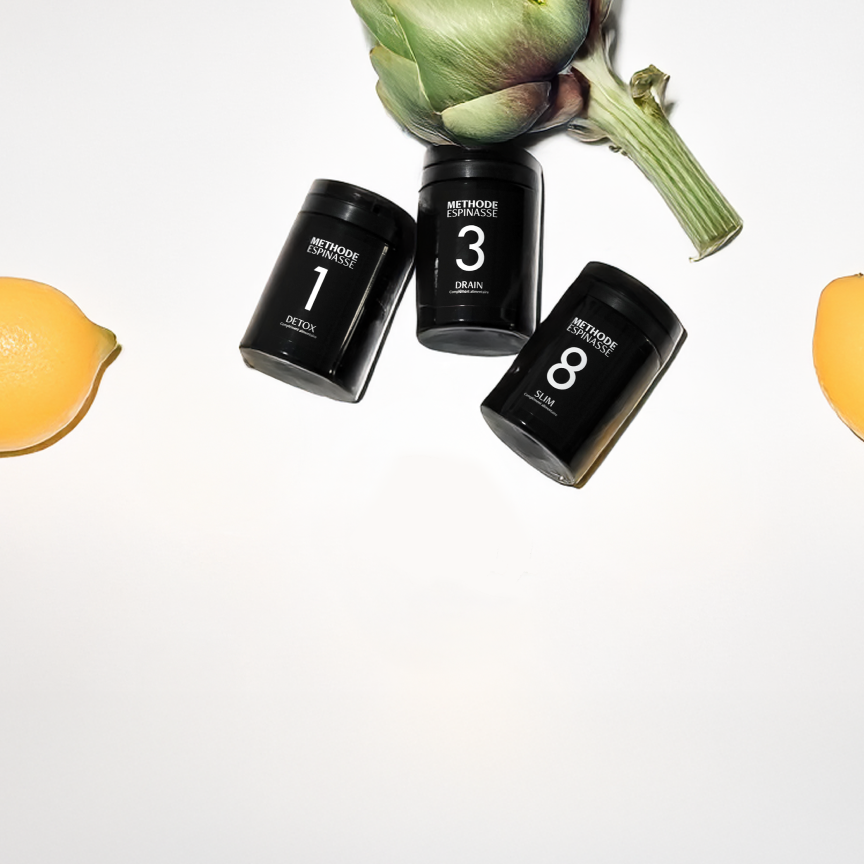
Découvrez 08 - Slim
Your ally for a slimmer figure and healthy weight

Journal

It is blue, contains copper, and promises to do far more than simply moisturize the skin.
GHK-Cu. Copper peptide. Copper Tripeptide-1.
Over the past few years, GHK-Cu copper peptide has become one of the most sought-after ingredients in anti-aging skincare. Copper peptide serums and creams are associated with particularly ambitious claims: stimulating collagen production, improving skin elasticity, supporting skin repair, reducing wrinkles, enhancing fibroblast activity, promoting wound healing, and even “regenerating” or “reprogramming” aging skin.
But GHK-Cu is not a recent discovery born out of the skincare industry.
The scientific story of glycyl-L-histidyl-L-lysine — GHK began more than 50 years ago.
And the real science is considerably more interesting than its current social-media fame.
GHK is a tripeptide, meaning that it consists of just three amino acids:
glycine — histidine — lysine.
This tiny amino-acid sequence has a strong affinity for copper ions and can form a complex known as:
GHK-Cu.
As early as the 1970s and 1980s, researchers were investigating GHK’s ability to influence cellular behavior and proposed, among other hypotheses, that it might participate in copper transport or bioavailability [1–3].
Then the findings began to accumulate.
Fibroblasts.
Collagen.
Glycosaminoglycans.
Extracellular matrix remodeling.
Wound healing.
Matrix metalloproteinases.
Factors involved in tissue repair.
These mechanisms gradually moved GHK-Cu from the cell-biology laboratory into products designed for the skin.
But when the scientific literature is examined closely, an important problem becomes apparent.
GHK-Cu’s current reputation is considerably larger than the body of robust human clinical evidence supporting it.
A 2026 systematic review captures the paradox particularly well: GHK-Cu is supported by decades of preclinical research involving tissue remodeling, inflammation, and oxidative stress, while the human clinical literature remains relatively limited and fragmented [4].
Another 2026 systematic review focused on regenerative applications in aesthetic medicine identified only 20 relevant studies, 18 of which were preclinical and only two of which were randomized trials [5].
So we are dealing with a scientifically fascinating molecule.
But biological fascination and clinical efficacy are not the same thing.
The real question is:
What does GHK-Cu actually do to the skin — and how far does the evidence allow us to go?
GHK stands for:
Glycyl-L-Histidyl-L-Lysine.
It is a tripeptide composed of three amino acids:
GHK was identified in human plasma in the pioneering work of Loren Pickart and colleagues in the early 1970s [1].
Subsequent research showed that during its isolation from plasma, the peptide could be found associated with metals including copper and iron [2].
This observation led researchers to investigate its relationship with copper more closely.
In 1980, a paper published in Nature showed that GHK readily forms complexes with Cu²⁺ and could increase copper uptake by cells grown in culture [3].
This led to one of the fundamental hypotheses that still surrounds GHK-Cu today:
the peptide may function as a biological ligand or carrier for copper.
Copper is an essential trace element.
The human body needs it in small amounts to function normally.
Its biological importance does not come simply from its presence in tissue.
Copper acts as a cofactor for several enzymes, meaning that its presence enables or facilitates important biochemical reactions.
In skin and connective tissue, copper participates in biological systems related to extracellular matrix structure and antioxidant defense.
One particularly important example is lysyl oxidase, a copper-dependent enzyme involved in the cross-linking of collagen and elastin.
Copper is also involved in the activity of copper/zinc superoxide dismutase — Cu/Zn SOD, a major component of cellular antioxidant defense against certain reactive oxygen species.
This does not mean:
more copper = more collagen.
Free copper is biologically reactive, and its availability in the body is tightly regulated.
And that is precisely why combining copper with a peptide becomes scientifically interesting.
A free metal ion and a metal ion bound to a biological molecule do not necessarily behave in the same way.
GHK has a strong affinity for Cu²⁺.
In the GHK-Cu complex, copper is coordinated by several sites within the peptide, including nitrogen atoms associated with glycine and histidine.
This interaction changes the chemical properties of both the metal and the peptide.
Historically, researchers therefore proposed that GHK might participate in the binding, transport, or biological delivery of copper to specific processes [3].
This is the origin of its classification as a carrier peptide.
But that term can become misleading when oversimplified.
GHK-Cu is not simply a tiny delivery truck carrying a copper atom directly to a fibroblast.
The biology is far more complex.
Copper binding may modify the activity of the peptide itself, and some experiments show that GHK and copper-complexed GHK do not always produce the same biological effects.
No.
GHK refers to the tripeptide glycyl-L-histidyl-L-lysine.
GHK-Cu refers to its copper complex.
The distinction matters because several biological effects associated with the GHK system have specifically been investigated using GHK-Cu.
For example, research involving fibroblasts found that GHK-Cu could modify the expression of MMP-2, a matrix metalloproteinase involved in extracellular matrix remodeling, while uncomplexed GHK did not reproduce the same effect in that experimental model [6].
Copper is therefore not necessarily just a passenger.
It may be an integral part of the biological behavior of the complex.
Because skin aging is not simply a loss of facial volume or the appearance of wrinkles at the surface.
It involves progressive changes in tissue architecture and biology.
With age and photoaging, several processes can occur within the dermis:
Fibroblasts therefore find themselves operating in a different biological environment.
And the tissue gradually becomes less efficient at certain maintenance and repair processes.
GHK-Cu has been studied precisely because of its influence on several mechanisms associated with tissue remodeling.
That is a much more accurate — and scientifically meaningful — concept than simply saying that copper peptides “rejuvenate the skin.”
This is probably the most famous claim surrounding GHK-Cu.
And unlike many cosmetic claims, it has a genuine experimental basis.
In 1988, a study published in FEBS Letters investigated the effect of GHK-Cu on collagen synthesis in cultured fibroblasts [7].
Researchers observed stimulation of collagen synthesis at very low concentrations of GHK-Cu.
The effect began between approximately 10⁻¹² and 10⁻¹¹ M and reached its maximum at around 10⁻⁹ M [7].
Importantly, the increase did not appear to result simply from an increase in cell number.
In this experimental model, the complex therefore altered the collagen-synthesizing activity of fibroblasts.
That is an important mechanistic finding.
But it needs to be described for exactly what it is:
an experiment performed on fibroblasts in culture.
It does not demonstrate that applying a GHK-Cu serum to the face automatically increases dermal collagen to the same extent.
Between those two situations lie several critical variables:
formulation → stability → skin penetration → tissue concentration → biological response.
No.
And this is precisely what makes the molecule particularly interesting.
The extracellular matrix — ECM is much more complex than a network of collagen fibers.
It contains:
As early as 1992, researchers showed that GHK-Cu could stimulate the synthesis of certain glycosaminoglycans by human fibroblasts in culture [8].
The effect was observed particularly with extracellular dermatan sulfate and cell-associated heparan sulfate [8].
But the study also provides a particularly interesting detail:
no stimulation of hyaluronic acid synthesis was observed in that model [8].
That matters because it reminds us that GHK-Cu does not indiscriminately activate every component of the extracellular matrix.
The biological response appears selective and dependent on the experimental model.
Glycosaminoglycans — GAGs are long carbohydrate molecules found within the extracellular matrix and on cell surfaces.
They participate in numerous properties of tissue, including molecular organization, cellular interactions, and — depending on the specific GAG — water retention.
Hyaluronic acid is probably the best-known glycosaminoglycan in skincare.
But it is not the only one.
Dermatan sulfate, chondroitin sulfate, and heparan sulfate also belong to this broad molecular family.
The finding that GHK-Cu can alter the production of certain GAGs therefore strengthens the hypothesis that it may influence not only collagen but the broader extracellular environment surrounding fibroblasts [8].
Decorin is a small proteoglycan within the extracellular matrix that interacts with collagen fibrils and contributes to the organization of connective tissue.
In an experimental rat-wound model and cultures of dermal fibroblasts, GHK-Cu was associated with increased decorin expression [9].
Researchers simultaneously observed changes in other components of the extracellular matrix, including certain glycosaminoglycans.
Once again, this suggests that the potential action of GHK-Cu is not simply about flipping a switch labeled:
“make more collagen.”
Instead, it may influence several dimensions of extracellular matrix remodeling.
This is a critical question.
A cell culture is not skin.
Researchers therefore went further and investigated GHK-Cu in an experimental wound-healing model in rats [10].
Wound chambers were implanted beneath the animals’ skin and treated with different concentrations of GHK-Cu.
Researchers observed concentration-dependent increases in several parameters within the treated chambers, including:
Stimulation of collagen synthesis was greater than that of non-collagen proteins.
Messenger RNA for type I and type III collagen also increased [10].
However, TGF-β messenger RNA did not increase.
That result is particularly interesting because it demonstrates that increasing certain extracellular matrix components does not necessarily mean uniformly activating every signaling pathway traditionally associated with fibrosis or tissue remodeling.
Living tissue responds in a far more complex way.
Those two processes are not necessarily contradictory.
And this may be one of the most interesting aspects of GHK-Cu biology.
Healthy tissue does not simply manufacture extracellular matrix.
It must also remodel it.
Old, damaged, or poorly organized collagen needs to be degraded while new matrix components are synthesized and reorganized.
This process involves, among other systems, the matrix metalloproteinases — MMPs.
Matrix metalloproteinases are a family of enzymes capable of breaking down different components of the extracellular matrix.
They are essential to normal tissue remodeling.
But excessive or poorly regulated MMP activity can also contribute to pathological matrix degradation.
Their activity is therefore tightly controlled, including by the Tissue Inhibitors of Metalloproteinases — TIMPs.
We can simplify tissue remodeling as a continuous balance:
construction ↔ degradation
MMPs ↔ TIMPs
The biological goal is not necessarily to eliminate all matrix degradation.
It is to maintain appropriate remodeling.
A study published in 2000 evaluated the effect of GHK-Cu on MMP-2 in cultured dermal fibroblasts [6].
Researchers observed an increase in MMP-2 levels as well as an increase in its messenger RNA.
At the same time, GHK-Cu also increased secretion of:
TIMP-1
and
TIMP-2 [6].
In other words, the molecule influenced mechanisms involved both in matrix degradation and in the regulation of that degradation.
This is why simply describing GHK-Cu as a “collagen booster” significantly understates the complexity of its biology.
The more interesting concept may be:
remodeling.
This distinction is fundamental.
Young skin is not simply skin that contains “a lot of collagen.”
Tissue quality also depends on:
the organization of collagen fibers,
their renewal,
their interactions with other extracellular matrix components,
the mechanical properties of the tissue,
and the ability of cells to maintain that environment.
A compound capable of influencing both synthesis and degradation could therefore theoretically behave more like a modulator of tissue remodeling than a simple collagen booster.
That is a biologically more interesting hypothesis.
It is also considerably harder to demonstrate in humans.
A 2005 study compared normal human dermal fibroblasts with fibroblasts obtained from irradiated tissue [11].
Cells exposed to GHK-Cu showed faster doubling times than untreated controls.
In irradiated fibroblasts, treatment was also associated early on with increased production of basic fibroblast growth factor — bFGF and vascular endothelial growth factor — VEGF [11].
These findings further increased scientific interest in GHK-Cu as a potential tissue-repair molecule.
But once again:
irradiated fibroblasts in culture ≠ aging human skin treated with a serum.
The model helps us understand what the molecule may be capable of doing under specific biological conditions.
It does not, by itself, predict the magnitude of a cosmetic result.
Because the scientific history of GHK-Cu is deeply connected to tissue repair and wound healing.
And that helps explain why the molecule is now attracting attention in regenerative dermatology.
A wound triggers an extraordinarily complex sequence of biological events:
inflammation,
cell recruitment,
angiogenesis,
proliferation,
matrix production,
remodeling.
Several mechanisms influenced by GHK-Cu in experimental models belong directly to this biological landscape [10–12].
This largely explains the conceptual progression:
wound healing → tissue remodeling → skin regeneration → anti-aging skincare.
But that progression needs to be examined carefully.
Photoaged skin is not an open wound.
And a molecule that improves certain repair mechanisms does not automatically become a clinically proven treatment for skin aging.
The word is compelling.
But it needs to be defined.
In biology, regenerating tissue implies more than making it look temporarily smoother or better hydrated.
It means restoring certain biological structures or functions.
Preclinical GHK-Cu research has reported effects compatible with several processes involved in tissue repair and remodeling:
There is therefore genuine biological plausibility behind some of the regenerative language surrounding GHK-Cu.
But that does not mean that applying a GHK-Cu serum has been shown to “regenerate” aging human skin in the strongest scientific sense of the word.
That requires much more robust human clinical evidence.
This is one of the most dramatic claims associated with GHK.
Some publications and reviews have analyzed transcriptomic databases and reported that GHK is associated with changes in the expression of numerous genes [12,13].
This has sometimes been transformed into marketing language such as:
“GHK-Cu resets thousands of genes.”
Or even:
“GHK-Cu reprograms DNA.”
Those statements go much too far.
Changing gene expression is not the same thing as changing the DNA sequence.
And observing a transcriptomic signature in an experimental model does not demonstrate genetic rejuvenation of human skin.
Gene expression is dynamic.
Our cells continuously increase and decrease the expression of thousands of genes in response to their environment.
An active ingredient that modifies an expression signature has therefore not “rewritten DNA.”
GHK-Cu is not gene therapy.
And there is no evidence demonstrating that applying a GHK-Cu serum to the face genetically “reprograms” old skin into young skin.
The preclinical literature contains several findings compatible with antioxidant properties or modulation of mechanisms related to oxidative stress [12–14].
This is biologically plausible for several reasons, including the involvement of copper itself in certain antioxidant enzymes.
But once again, different levels of evidence need to be separated.
An antioxidant effect observed:
in a chemical reaction,
in a cell,
in an animal model,
and
in human skin after topical application
does not constitute the same level of proof.
Recent reviews consider the antioxidant properties of GHK-Cu an interesting component of its preclinical profile while emphasizing the need for further clinical validation [4,5].
Anti-inflammatory effects have also been reported in different experimental models and are frequently included among the mechanisms proposed to explain GHK-Cu’s role in tissue repair [4,12–14].
But anti-inflammatory is an extremely broad term.
Inflammation is not a single mechanism.
It involves numerous cell types, cytokines, mediators, and signaling pathways.
An effect on one inflammatory marker therefore does not mean that a cosmetic containing GHK-Cu is a medical treatment for inflammatory skin disease.
That distinction is essential if mechanistic research is not to become a therapeutic claim.
In cosmetics, the name Copper Tripeptide-1 is commonly associated with the copper complex of the GHK tripeptide.
That is therefore the name consumers will often find on an INCI list when looking for a skincare product containing this type of copper peptide.
But seeing the name on an ingredient list tells us very little about:
As with every peptide:
presence in the formula ≠ bioavailability in the tissue.
The interaction between copper and the peptide produces characteristic spectroscopic properties that can give the complex its recognizable blue coloration.
That color has become almost a visual signature of copper peptide serums.
But it is not a measure of concentration or efficacy.
A very blue serum is not necessarily richer in GHK-Cu, purer, better formulated, or more biologically active.
Color is not a biomarker of efficacy.
We now arrive at one of the most important questions in the entire science of copper peptides.
For GHK-Cu to act on a dermal fibroblast after topical application, a biologically meaningful amount of the complex must cross — or bypass — the skin barrier.
GHK-Cu is a relatively hydrophilic molecule.
And the stratum corneum is an exceptionally effective barrier against the penetration of many hydrophilic molecules [15].
An experimental study therefore investigated copper penetration from GHK-Cu through different levels of human skin in vitro [16].
Under experimental conditions involving prolonged exposure and relatively high dosing, copper did cross the tissue, and a portion was also retained within the skin [16].
That is an important finding:
the system is not completely incapable of penetrating human skin.
But it would be a major scientific leap to turn that experiment into the claim that every GHK-Cu serum efficiently delivers an active dose to dermal fibroblasts during normal cosmetic use.
Experimental conditions do not necessarily reproduce daily skincare application.
Because a peptide never acts alone.
Before reaching its biological target, it must:
remain stable in the bottle,
remain compatible with other ingredients,
survive after application,
interact with the stratum corneum,
diffuse into the skin,
remain in a biologically relevant form,
and reach its target at a sufficient concentration.
This is why current research is investigating different GHK-Cu delivery systems, including liposomes, nanocarriers, and technologies designed to facilitate transport across the skin barrier [15].
A recent review specifically addressing this issue notes that, despite the widespread cosmetic use of GHK-Cu, data on skin penetration from advanced formulations remain surprisingly limited [15].
They are an interesting strategy.
Liposomes are small lipid-based vesicles capable of encapsulating certain molecules and altering their stability or delivery.
For a hydrophilic molecule such as GHK-Cu, the concept is compelling:
protect the peptide + improve delivery + potentially increase cutaneous bioavailability.
But:
“liposomal” does not automatically mean “clinically proven to reduce wrinkles more effectively.”
Performance depends on the specific delivery system, its size, lipid composition, active release, and the depth actually reached within the skin.
Delivery science therefore needs to be evaluated just as rigorously as the peptide itself.
The idea seems logical.
If the stratum corneum is the primary barrier, temporarily creating microchannels could increase peptide delivery.
Experimental models do support the potential value of microneedle-based GHK-Cu delivery systems [4].
But the 2026 systematic review highlights a particularly important limitation:
adequately powered, published randomized human trials properly evaluating GHK-Cu delivery through microneedles are still lacking [4].
This is exactly the distinction we need to preserve throughout the discussion:
plausible ≠ proven.
Biologically, it has several properties that make the hypothesis credible.
We have evidence connecting GHK-Cu with:
fibroblasts → collagen → glycosaminoglycans → decorin → MMP/TIMP balance → tissue-repair factors → extracellular matrix remodeling.
That is significant.
Few cosmetic ingredients have such a long mechanistic history.
But the question we now need to ask is different:
What actually happens when GHK-Cu is applied to aging human skin?
Does it reduce wrinkles?
Does it increase dermal density?
Does it actually increase collagen in vivo?
Does GHK-Cu outperform placebo?
How does it compare with retinol, vitamin C, or other anti-aging peptides?
How long do the results last?
What concentration should be used?
And most importantly:
Why does the human clinical evidence appear so much smaller than GHK-Cu’s global reputation?
That is where Part 2 begins.
Part 1 leaves us with an unusual scientific picture.
From a biological standpoint, GHK-Cu may be one of the most fascinating cosmetic peptides ever studied.
Collagen. Fibroblasts. Glycosaminoglycans. Decorin. Matrix metalloproteinases. Tissue repair. Oxidative stress. Extracellular matrix remodeling.
Across different experimental models, GHK-Cu has been associated with several mechanisms directly relevant to the maintenance and remodeling of skin tissue [4–14].
But an extraordinarily interesting molecule does not automatically translate into an extraordinarily effective skincare product.
And once we leave fibroblast cultures, animal models, and experimental wound healing behind and start looking specifically for controlled human clinical trials, the literature becomes much thinner.
That may be the single most important fact to understand about copper peptides.
Scientific research on GHK and GHK-Cu dates back to the 1970s.
We therefore have decades of mechanistic investigation.
Yet a 2026 systematic review examining the regenerative potential of GHK-Cu in aesthetic medicine identified only 20 studies meeting its criteria: 18 preclinical studies and just two randomized trials [5].
Another recent systematic review focused in part on GHK-Cu delivery reached a similar conclusion: the preclinical evidence shows substantial mechanistic consistency, but translation into well-designed human trials remains insufficient [4].
The contrast is striking.
The age of a molecule should never be confused with the strength of its clinical evidence.
Anyone researching GHK-Cu benefits for skin eventually encounters some particularly impressive numbers.
Reviews and articles discussing copper peptides frequently describe cosmetic studies in which:
71 women reportedly used a GHK-Cu cream for 12 weeks;
67 women reportedly compared a GHK-Cu cream with other treatments;
and
41 women reportedly used a GHK-Cu eye cream.
These studies are then associated with improvements in parameters such as skin density, thickness, laxity, wrinkles, and photodamage.
The problem is not necessarily that these findings are false.
The problem is scientific traceability.
These results have been repeated throughout secondary literature on GHK-Cu, yet the complete primary publications needed to independently examine randomization, blinding, vehicle composition, peptide concentration, statistical methodology, and potential conflicts of interest are far less accessible than their widespread repetition might suggest.
It would therefore be scientifically inappropriate to treat these figures as though they carry exactly the same evidentiary weight as a fully accessible, indexed original clinical trial whose methodology can be independently scrutinized.
This distinction matters.
A finding repeated in ten review articles does not become ten independent studies.
It may simply be one finding cited ten times.
A randomized trial published in 2006 investigated topical products containing GHK-Cu following CO₂ laser skin resurfacing [17].
Thirteen patients completed the study.
After laser treatment, participants were randomized to postoperative skincare regimens with or without a GHK-Cu complex.
Researchers evaluated:
The results are particularly instructive.
Computer-based analysis and blinded evaluators found no statistically significant difference between groups in the resolution of erythema [17].
All patients experienced significant improvement in wrinkles and overall skin quality following resurfacing.
However:
no significant objective difference between the groups was found for wrinkles or overall skin improvement [17].
Patient questionnaires did tell a somewhat different story.
Participants using the GHK-Cu products reported significantly greater satisfaction with the overall improvement in skin quality [17].
Precisely.
The study does not prove that GHK-Cu is ineffective.
It shows that in this particular trial, involving 13 participants, in this specific clinical setting, and using these particular formulations, objective assessments did not demonstrate a significant additional benefit for the major outcomes studied.
Greater subjective satisfaction is interesting.
But subjective perception and objectively measured structural change are not the same endpoint.
The trial was also very small.
With only 13 participants, statistical power was limited.
And every participant underwent CO₂ resurfacing — a procedure that itself induces substantial skin remodeling.
Detecting an additional cosmetic effect against the background of such a powerful intervention may therefore be difficult.
The scientifically appropriate conclusion is neither:
“GHK-Cu does not work.”
nor:
“GHK-Cu clinically regenerates skin.”
It is:
this human trial did not demonstrate a significant additional objective benefit for wrinkles or overall skin quality, but it was small and conducted in a highly specific clinical setting [17].
Because it perfectly illustrates the difference between:
biological mechanism
and
clinical outcome.
In a laboratory, GHK-Cu can be placed directly in contact with a fibroblast.
On human skin, it must first be delivered by a formulation, cross a formidable biological barrier, and reach a biologically relevant concentration.
After laser resurfacing, a third factor enters the equation:
the medical procedure itself profoundly alters skin biology.
A molecule can therefore be biologically active without necessarily producing an effect large enough to become measurable in a particular clinical trial.
Based on the evidence currently available, the most scientifically accurate formulation is:
preclinical research and some clinical data suggest that GHK-Cu has anti-aging potential, but robust human clinical evidence remains limited and larger, independent, standardized trials are still needed [4,5].
That may sound less dramatic than:
“Copper peptides erase wrinkles.”
But it is much closer to what the science actually shows.
We know that GHK-Cu can stimulate collagen synthesis in certain fibroblast models [7].
We also know that it can increase matrix-associated parameters in experimental models of tissue repair [9,10].
What has not been demonstrated with the same level of certainty is that:
daily topical application of a cosmetic GHK-Cu serum produces a substantial, reproducible, clinically meaningful increase in collagen within human facial dermis.
That distinction is essential.
Stimulating collagen in vitro ≠ increasing dermal collagen in vivo ≠ visibly reducing wrinkles.
Those are three different levels of evidence.
Improvements in parameters related to skin firmness, thickness, and density are frequently attributed to GHK-Cu in secondary literature.
These claims are biologically compatible with the extracellular matrix mechanisms discussed in Part 1.
However, independent human clinical data allowing those effects to be precisely quantified remain insufficient [4,5].
For now, potential is a more scientifically defensible word than universally proven effect.
This is arguably where the biological rationale for GHK-Cu is richest.
Experimental models have reported effects involving:
Animal studies have also investigated GHK-Cu in irradiated tissue [18].
But wound healing is a complex medical indication.
Preclinical findings do not justify using a cosmetic GHK-Cu serum as a stand-alone treatment for an open wound, burn, pathological scar, or postoperative complication.
The fact that a GHK-Cu product has been studied after laser resurfacing does not mean that every copper peptide serum can safely be applied immediately after a dermatologic procedure.
Skin that has undergone ablative or fractional laser treatment is no longer functioning as intact skin.
Its barrier is temporarily altered.
That may allow substances to penetrate more deeply than they normally would.
Purity, sterility, excipients, pH, and formulation therefore become particularly important.
The 2006 trial evaluated specific products within a specific protocol [17].
It should not be interpreted as a general recommendation to apply any cosmetic copper peptide serum to freshly laser-treated skin.
This is one of the most intriguing areas for future research.
A major obstacle to topical GHK-Cu is delivery through the skin barrier.
Microneedling and microneedle systems temporarily create pathways that can allow certain molecules to bypass part of that barrier.
Experimental models suggest that barrier-disrupting techniques can indeed increase the delivery of cosmetic peptides, including Copper Tripeptide-1 [19].
But the 2026 systematic review focused on GHK-Cu highlights a major gap:
adequately powered randomized human trials evaluating GHK-Cu delivered through microneedles or related technologies are still lacking [4].
So we have a biologically logical delivery strategy.
We do not yet have definitive clinical proof.
Not necessarily.
In pharmacology, delivery needs to be controlled, not simply maximized.
Copper is biologically essential, but it is also redox-active.
The body therefore tightly regulates its availability.
The goal is not to introduce as much copper into tissue as possible.
The goal is to achieve an appropriate exposure in an appropriate biological form.
Recent work on GHK-Cu formulation highlights a problem that has historically received too little attention: measuring total peptide and total copper in a formulation may not be enough.
Ideally, researchers need to know which chemical species are actually present, how much copper remains complexed to GHK, how much labile copper exists, and what molecular species are ultimately released into tissue [20].
That level of chemical detail is rarely available to consumers.
No.
Two serums listing Copper Tripeptide-1 on their INCI labels may differ substantially in:
This is why results obtained with one experimental formulation cannot automatically be transferred to every commercial product containing the same INCI ingredient.
Same active ingredient ≠ same biological exposure.
Usually not.
An INCI list primarily tells you which ingredients are present, not their exact concentrations.
Ingredient order can provide some regulatory information about relative proportions, but it does not allow a consumer to reconstruct the formula precisely.
For a biologically active peptide used at low concentrations, that limitation is particularly relevant.
A product can therefore list Copper Tripeptide-1 without revealing whether its concentration resembles anything that has actually been investigated experimentally.
Not necessarily.
Early fibroblast studies demonstrated biological activity of GHK-Cu at remarkably low concentrations [7].
That reminds us that a signaling peptide does not necessarily behave like a simple moisturizing ingredient for which more material on the skin automatically means a greater effect.
Optimal concentration depends on:
A product marketed as containing “1% copper peptides” is therefore not automatically twice as effective as one containing 0.5%.
And the commercial expression “x% copper peptides” itself needs to be interpreted carefully: in some cases, the percentage may refer to a raw-material solution, complex, or blend rather than the percentage of pure molecular GHK-Cu.
This has become an extremely popular skincare comparison.
Scientifically, however, it is an uneven one.
Topical retinoids have several decades of dermatologic research behind them and a substantially larger clinical evidence base for photoaging.
They have been studied both clinically and histologically for outcomes including wrinkles, pigmentation, and changes within the dermal matrix.
GHK-Cu has a fascinating mechanistic literature but a much smaller body of human clinical evidence [4,5].
We therefore cannot conclude that:
GHK-Cu is more effective than retinol.
Nor can we conclude that it is an equivalent substitute.
The two may influence skin biology through different mechanisms, but their current levels of evidence are not comparable.
Current evidence does not establish GHK-Cu as a proven replacement for retinoids in the treatment of photoaging.
That does not mean copper peptides have no value.
They may represent a different skincare strategy, particularly for people interested in peptide-based formulations or those who have difficulty tolerating certain actives.
But:
better tolerated ≠ equally effective.
Those are entirely different claims.
Vitamin C and GHK-Cu do not perform exactly the same biological functions.
Ascorbic acid is an essential cofactor in specific steps of collagen biosynthesis and also has antioxidant activity.
GHK-Cu is a peptide-metal complex whose experimental effects appear to involve signaling, copper biology, and extracellular matrix remodeling.
Asking which is universally “better” without defining the desired outcome is therefore not particularly meaningful.
The more useful question is:
Which active, in which formulation, has the strongest evidence for the specific result you are trying to achieve?
Online skincare advice frequently claims that copper peptides are universally incompatible with vitamin C.
The reality is more nuanced.
Compatibility can depend on:
There is no universal clinical rule demonstrating that every product containing Copper Tripeptide-1 must always be separated from every form of vitamin C.
However, physically mixing different formulations together may alter their local chemical environment in ways their manufacturers have not necessarily studied.
When compatibility is unknown, using the products at different times is a reasonable conservative approach.
There is no universal scientific rule prohibiting the combination.
The more practical consideration is the overall tolerability of the skincare routine.
If a retinoid causes irritation, dryness, or temporary disruption of the skin barrier, adding multiple additional actives can make it difficult to identify the cause of a reaction.
A rational strategy is therefore progressive:
introduce one active,
assess tolerance,
then introduce another if appropriate.
The same reasoning applies.
pH and formulation composition may influence peptide stability and copper chemistry.
Exfoliating acids can also increase irritation and temporarily modify the skin barrier.
The absence of an absolute prohibition therefore does not mean that every combination is optimal in every formulation.
Potentially.
GHK-Cu is not primarily known as a strongly irritating cosmetic active.
But a serum is never made of its hero ingredient alone.
Preservatives, solvents, fragrance, texture agents, and other active ingredients also determine tolerability.
Sensitive skin should therefore evaluate the complete formulation, not simply the words Copper Tripeptide-1.
Copper peptides are used in products specifically designed for the eye area, and some of the historical cosmetic data frequently cited for GHK-Cu involve the periorbital region.
But products used close to the eye need to be specifically formulated and tested for that area.
The presence of GHK-Cu does not automatically make every facial serum suitable for use on the eyelids or close to the eye itself.
Recent products combining Copper Tripeptide-1 with other ingredients have reported improvements in scar appearance [21].
But methodology matters.
In a 2025 study, the gel investigated contained several ingredients, including:
Copper Tripeptide-1 + L-carnitine L-tartrate + alpha-glucosyl hesperidin + sodium hyaluronate [21].
The study was also open-label and did not include a placebo group.
It may therefore provide information about the finished product, but it cannot establish that GHK-Cu alone was responsible for the observed improvements.
This distinction should become automatic:
a study of a product containing GHK-Cu is not necessarily a study of GHK-Cu itself.
The same issue applies.
A recent clinical study investigated a formulation combining GHK-Cu with an extract derived from a mixed culture of Thermus thermophilus and Bacillus subtilis and reported improvements in skin parameters [22].
But the study was specifically designed to evaluate the combination.
It cannot therefore be used as isolated proof that GHK-Cu was responsible for all of the observed effects.
Multi-active formulations are perfectly legitimate in skincare.
They simply make scientific attribution considerably more difficult.
A randomized, double-blind, placebo-controlled study did report reductions in certain measures of wrinkle depth after eight weeks of sleeping on pillowcases containing copper oxide [23].
That is interesting.
But it is not a GHK-Cu study.
Copper oxide embedded in a textile and the GHK-Cu peptide complex are chemically different systems.
The study should therefore not be used as clinical evidence that copper peptide serums reduce wrinkles.
Copper ≠ GHK-Cu.
GHK-Cu has also become increasingly popular in copper peptide hair serums.
There is biological plausibility, and several studies have explored copper tripeptide in the context of follicular repair or hair growth.
But available human data often involve combination formulations.
For example, a pilot study involving intradermal injections for hair regrowth combined Copper Tripeptide-1 with several growth factors, including VEGF, bFGF, IGF, and KGF, as well as thymosin β4 [24].
Another large clinical series involving androgenetic alopecia simultaneously used finasteride, oral and topical minoxidil, and an injectable solution containing numerous components, including copper tripeptide [25].
These studies therefore cannot isolate the efficacy of GHK-Cu itself.
The question of GHK-Cu for hair growth deserves a dedicated scientific review rather than a quick conclusion based on multi-active formulations.
At concentrations used in cosmetic products, copper peptides are generally considered well tolerated.
However, the lack of large clinical trials also means that we have less systematic long-term data than we do for some much more extensively studied dermatologic actives [4,5].
It is also essential to distinguish between:
topical cosmetic use on intact skin
and
intradermal delivery, microneedling, or injection.
Increasing delivery depth changes biological exposure and therefore changes the safety questions involved.
A cosmetic serum is not automatically suitable for injection or use on disrupted skin.
No.
The existence of scientific research on GHK-Cu does not mean that it is a clinically validated drug for reversing skin aging.
A 2026 translational analysis emphasizes precisely this point: despite a substantial body of preclinical biology, GHK-Cu remains a promising approach whose therapeutic validation requires controlled clinical trials and better standardization of its chemistry, formulation, and delivery [20].
Three different categories therefore need to remain distinct:
cosmetic ingredient
experimental molecule
validated drug.
They are not interchangeable.
Several issues overlap.
First, a meaningful portion of the foundational research comes from a relatively small group of investigators.
The 2026 systematic review notes that approximately 35% of the primary GHK-Cu literature included within its analysis window involved Loren Pickart or Anna Margolina, associated with Skin Biology Inc., as authors [4].
Loren Pickart is the researcher historically associated with the discovery of GHK and has also had commercial interests in the field.
That does not invalidate the research.
But independent replication is an important part of scientific validation.
Second, the experimental models are extremely heterogeneous:
fibroblasts,
animal wounds,
irradiated tissue,
ex vivo skin,
cosmetic formulations,
laser resurfacing,
microneedles.
Third, the product being investigated is not always chemically defined with the level of precision we would now expect from a pharmaceutical drug.
Finally, human trials remain scarce.
The literature is therefore rich in mechanisms but limited in clinical standardization.
We can reasonably conclude that:
Robust clinical research is still needed to determine:
Current evidence does not establish that:
The answer probably lies somewhere between those two extremes.
GHK-Cu is certainly not a marketing invention.
Its biology is real.
Its scientific history spans more than half a century.
And the mechanisms observed around fibroblasts, collagen, wound healing, and the extracellular matrix are coherent enough to fully justify continued scientific interest.
But GHK-Cu also illustrates one of the most important rules in aging science:
an extraordinary mechanism is not yet an extraordinary clinical outcome.
Between a fibroblast producing more collagen in a culture dish and a wrinkle becoming visibly shallower on a human face lies the entire complexity of skin biology.
The molecule has to remain stable.
It has to cross the barrier.
It has to reach its target.
It has to remain biologically active.
It has to act for long enough.
And the resulting effect has to be large enough to measure in humans.
That entire chain has to work before a promising molecule becomes a clinically convincing anti-aging active.
The next chapter in the scientific history of GHK-Cu may be less about discovering additional mechanisms and more about achieving clinical translation.
The most important questions are now remarkably practical:
Which formulation?
What concentration?
Which exact chemical species?
What delivery depth?
What tissue exposure?
What clinical effect?
And compared with what?
Advanced delivery technologies — including liposomes, nanocarriers, microneedles, and other transcutaneous systems — may substantially improve tissue exposure [4,15,19].
But those technologies will need to be evaluated just as rigorously as the molecule itself.
Because better penetration matters only if it produces:
better demonstrated efficacy without compromising safety.
GHK-Cu may be one of the clearest examples of the difference between promising science and definitive clinical evidence.
The peptide has a remarkable scientific history.
Research shows that it can influence fundamental mechanisms of tissue remodeling, including collagen synthesis, glycosaminoglycans, decorin, fibroblast activity, and the balance between different extracellular matrix enzymes [6–11].
There is therefore a serious biological basis for investigating GHK-Cu for skin aging, skin repair, and regenerative dermatology.
But human clinical trials remain far less numerous than its current reputation might suggest [4,5].
Notably, the readily verifiable randomized clinical trial following CO₂ resurfacing did not find a significant additional objective benefit for wrinkles or overall skin quality, despite greater subjective satisfaction among patients using the GHK-Cu products [17].
That does not close the case on GHK-Cu.
Quite the opposite.
It tells us exactly what still needs to be demonstrated.
The scientific question is no longer:
“Does GHK-Cu have biological activity?”
Clearly, it does.
The question is now:
“Can we deliver a precisely defined amount of GHK-Cu to the right depth in human skin and demonstrate, in large, independent, controlled clinical trials, that it produces clinically meaningful remodeling?”
That is where the future of copper peptides will be decided.
And only when that question has been answered convincingly will we know whether GHK-Cu is simply one of the most fascinating peptides in modern skincare — or one of the future precision tools of regenerative dermatology.
GHK-Cu is a complex formed by the tripeptide glycyl-L-histidyl-L-lysine — GHK — and copper. It has been studied for decades for its potential effects on fibroblasts, extracellular matrix remodeling, collagen, and tissue repair.
Copper Tripeptide-1 is the INCI name commonly associated with the copper peptide of the GHK family in cosmetic formulations. The concentration, formulation, stability, and chemical state of the ingredient nevertheless remain important.
GHK-Cu has stimulated collagen synthesis in experimental fibroblast models [7] and increased collagen-related parameters in animal studies [10]. Strong clinical evidence demonstrating a substantial increase in human dermal collagen following normal cosmetic use remains much more limited.
Some cosmetic data suggest potential anti-wrinkle effects, but independent human trials remain limited [4,5]. In a small randomized study following CO₂ laser resurfacing, GHK-Cu did not produce a significant additional objective improvement in wrinkles compared with the control regimen [17].
There is no universally established timeframe. Historical cosmetic data have generally examined periods of several weeks, but there is currently no standardized clinical protocol defining the optimal duration of topical GHK-Cu use.
Current evidence does not support that conclusion. Retinoids have a substantially larger clinical evidence base for photoaging.
There is no universal prohibition against combining them. Compatibility and tolerability depend on the specific products and formulations being used.
There is no universal evidence showing that every form of vitamin C is incompatible with every GHK-Cu formulation. When compatibility between specific products is unknown, using them at different times is a conservative approach.
Microneedling can increase the penetration of molecules through the skin, but a cosmetic formulated for intact skin is not automatically appropriate for application to freshly disrupted skin. Robust human trials evaluating GHK-Cu delivery through microneedling remain insufficient [4].
The copper-peptide complex has characteristic chemical and spectroscopic properties that can produce a blue color. The intensity of that color is not a reliable indicator of GHK-Cu concentration, purity, or efficacy.
Experimental research has associated GHK with changes in gene expression [12,13]. This does not mean that GHK-Cu changes DNA or genetically reprograms aging skin into younger skin.
GHK-Cu has several preclinical effects compatible with tissue repair and remodeling. However, clinical “regeneration” of aging human skin following topical cosmetic use has not yet been demonstrated with the same level of certainty.
GHK-Cu is increasingly used in hair-growth products, but much of the available human research involves formulations combining Copper Tripeptide-1 with other active ingredients [24,25]. Its independent effect on human hair growth therefore remains difficult to isolate.
After exploring peptides as a category and taking a deep dive into GHK-Cu, our scientific investigation of the most talked-about peptides in skincare continues with:
MATRIXYL & SIGNAL PEPTIDES — CAN WE TELL FIBROBLASTS TO MAKE MORE COLLAGEN?
Followed by:
ARGIRELINE & “BOTOX-LIKE” PEPTIDES — BOTOX IN A BOTTLE?
Two radically different mechanisms.
And two new opportunities to separate biological promise from clinical proof.
A Doctor of Pharmacy and expert in Predictive & Preventive Medicine, Dr. ESPINASSE has spent more than 20 years developing an integrative approach connecting nutrition, metabolism, the microbiome, cellular function, aging, and longevity.
Her clinical experience with more than 20,000 patients, informed by more than 15,000 in-depth assessments, led her to develop Cellular Nutrition®: an approach that considers nutrients and bioactive compounds through the physiological and cellular mechanisms they are intended to support.
Through METHODE ESPINASSE, Dr. ESPINASSE translates more than two decades of clinical experience into targeted nutritional protocols designed around health, beauty, longevity, and healthy aging from within.
[1] Pickart L, Thaler MM. Tripeptide in human serum which prolongs survival of normal liver cells and stimulates growth in neoplastic liver. Nature New Biology. 1973;243:85–87.
URL: https://pubmed.ncbi.nlm.nih.gov/?term=Pickart+Thaler+Tripeptide+human+serum+1973
[2] Pickart L, Freedman JH, Loker WJ, Peisach J, Perkins CM, Stenkamp RE, Weinstein B. Growth-modulating plasma tripeptide may function by facilitating copper uptake into cells. Nature. 1980;288:715–717. DOI: 10.1038/288715a0.
URL: https://pubmed.ncbi.nlm.nih.gov/?term=Growth-modulating+plasma+tripeptide+copper+uptake
[3] Lau SJ, Sarkar B. The interaction of copper(II) and glycyl-L-histidyl-L-lysine, a growth-modulating tripeptide from plasma. Biochemical Journal. 1981;199:649–656.
URL: https://pubmed.ncbi.nlm.nih.gov/?term=Lau+Sarkar+glycyl+histidyl+lysine+copper
[4] A Systematic Review of the Mechanisms and Therapeutic Applications of GHK-Cu (Glycyl-L-Histidyl-L-Lysine-Copper Complex) in Topical Microneedle Delivery: A Case for Expanded Clinical Trials. 2026. PMID: 42787770.
URL: https://pubmed.ncbi.nlm.nih.gov/42787770/
[5] The Regenerative Potential of GHK-Cu in Aesthetic Medicine. 2026. PMID: 42619529.
URL: https://pubmed.ncbi.nlm.nih.gov/42619529/
[6] Siméon A, Monier F, Emonard H, Gillery P, Birembaut P, Hornebeck W, Maquart FX. Expression and activation of matrix metalloproteinases in wounds: modulation by the tripeptide-copper complex glycyl-L-histidyl-L-lysine-Cu²⁺.
URL: https://pubmed.ncbi.nlm.nih.gov/?term=GHK-Cu+MMP-2+TIMP+Simeon
[7] Maquart FX, Pickart L, Laurent M, Gillery P, Monboisse JC, Borel JP. Stimulation of collagen synthesis in fibroblast cultures by the tripeptide-copper complex glycyl-L-histidyl-L-lysine-Cu²⁺. FEBS Letters. 1988;238(2):343–346. DOI: 10.1016/0014-5793(88)80501-X.
URL: https://pubmed.ncbi.nlm.nih.gov/?term=Maquart+Pickart+GHK-Cu+collagen+1988
[8] Maquart FX, Bellon G, Chaqour B, Wegrowski J, Patt LM, Trachy RE, Monboisse JC, Chastang F, Birembaut P, Gillery P. In vivo stimulation of connective tissue accumulation by the tripeptide-copper complex glycyl-L-histidyl-L-lysine-Cu²⁺ in rat experimental wounds. Journal of Clinical Investigation. 1993;92(5):2368–2376. DOI: 10.1172/JCI116843.
URL: https://pubmed.ncbi.nlm.nih.gov/?term=GHK-Cu+connective+tissue+rat+wounds+Maquart
[9] Siméon A, Wegrowski Y, Bontemps Y, Maquart FX. Expression of glycosaminoglycans and small proteoglycans in wounds: modulation by the tripeptide-copper complex glycyl-L-histidyl-L-lysine-Cu²⁺.
URL: https://pubmed.ncbi.nlm.nih.gov/?term=GHK-Cu+decorin+glycosaminoglycans+wounds
[10] Maquart FX, et al. In vivo stimulation of connective tissue accumulation by GHK-Cu in experimental wounds. Journal of Clinical Investigation. 1993;92:2368–2376. DOI: 10.1172/JCI116843.
URL: https://pubmed.ncbi.nlm.nih.gov/?term=JCI116843
[11] Pollard JD, Quan S, Kang T, Koch RJ. Effects of copper tripeptide on the growth and expression of growth factors by normal and irradiated fibroblasts. Archives of Facial Plastic Surgery. 2005;7(1):27–31.
URL: https://pubmed.ncbi.nlm.nih.gov/?term=Pollard+Quan+Kang+Koch+copper+tripeptide
[12] Pickart L, Margolina A. Regenerative and protective actions of the GHK-Cu peptide in the light of the new gene data. International Journal of Molecular Sciences. 2018;19(7):1987. DOI: 10.3390/ijms19071987.
URL: https://pubmed.ncbi.nlm.nih.gov/?term=GHK-Cu+gene+data+Pickart+Margolina
[13] Pickart L, Vasquez-Soltero JM, Margolina A. GHK peptide as a natural modulator of multiple cellular pathways in skin regeneration. BioMed Research International. 2015;2015:648108. DOI: 10.1155/2015/648108.
URL: https://pubmed.ncbi.nlm.nih.gov/?term=GHK+peptide+natural+modulator+skin+regeneration
[14] Pickart L, Margolina A. GHK and DNA: resetting the human genome to health. BioMed Research International. 2014;2014:151479. DOI: 10.1155/2014/151479.
URL: https://pubmed.ncbi.nlm.nih.gov/?term=GHK+DNA+resetting+human+genome
[15] GHK-Cu delivery and skin penetration: current formulation strategies and limitations. Review literature on topical GHK-Cu delivery.
URL: https://pubmed.ncbi.nlm.nih.gov/?term=GHK-Cu+skin+penetration+liposome
[16] In vitro dermal penetration of copper from copper tripeptide complexes through human skin.
URL: https://pubmed.ncbi.nlm.nih.gov/?term=GHK-Cu+human+skin+penetration+copper
[17] Miller TR, Wagner JD, Baack BR, Eisbach KJ. Effects of topical copper tripeptide complex on CO2 laser-resurfaced skin. Archives of Facial Plastic Surgery. 2006;8(4):252–259. DOI: 10.1001/archfaci.8.4.252. PMID: 16847171.
URL: https://pubmed.ncbi.nlm.nih.gov/16847171/
[18] Parker NP, Ardeshirpour F, Schmechel SC, Lassig AAD. Effects of topical copper tripeptide complex on wound healing in an irradiated rat model. Otolaryngology–Head and Neck Surgery. 2013;149(3):384–389. DOI: 10.1177/0194599813492644. PMID: 23744835.
URL: https://pubmed.ncbi.nlm.nih.gov/23744835/
[19] Cutaneous Delivery of Cosmeceutical Peptides Enhanced by Picosecond- and Nanosecond-Domain Nd Lasers with Quick Recovery of the Skin Barrier Function: Comparison with Microsecond-Domain Ablative Lasers. 2022. PMID: 35214181.
URL: https://pubmed.ncbi.nlm.nih.gov/35214181/
[20] GHK-Cu as a Bioactive Metallopeptide and Drug-Delivery Cargo: Coordination Chemistry, Formulation Science, Therapeutic Evidence, and a Translational Roadmap. 2026. PMID: 42797253.
URL: https://pubmed.ncbi.nlm.nih.gov/42797253/
[21] Efficacy and Safety Assessment of ThriveCo Scar Fader Gel With Scarcede™ in the Treatment of Skin Scars. 2025. PMID: 41001334.
URL: https://pubmed.ncbi.nlm.nih.gov/41001334/
[22] Augmented Skin Beneficial Effects of Thermus Thermophilus and Bacillus Subtilis Mixed-Culture Ferment Extract by Tripeptide GHK-Cu. Skin Research and Technology. 2026. PMID: 42573538.
URL: https://pubmed.ncbi.nlm.nih.gov/42573538/
[23] Reduction of facial wrinkles depth by sleeping on copper oxide-containing pillowcases: a double blind, placebo controlled, parallel, randomized clinical study. 2012. PMID: 22938003.
URL: https://pubmed.ncbi.nlm.nih.gov/22938003/
[24] Intradermal injections of a hair growth factor formulation for enhancement of human hair regrowth — safety and efficacy evaluation in a first-in-man pilot clinical study. 2018. PMID: 29482481.
URL: https://pubmed.ncbi.nlm.nih.gov/29482481/
[25] Androgenetic Alopecia Treatment in Asian Men. 2018. PMID: 30057663.
URL: https://pubmed.ncbi.nlm.nih.gov/30057663/