DIETARY SUPPLEMENTS

Découvrez 08 - Slim
Your ally for a slimmer figure and healthy weight

Journal
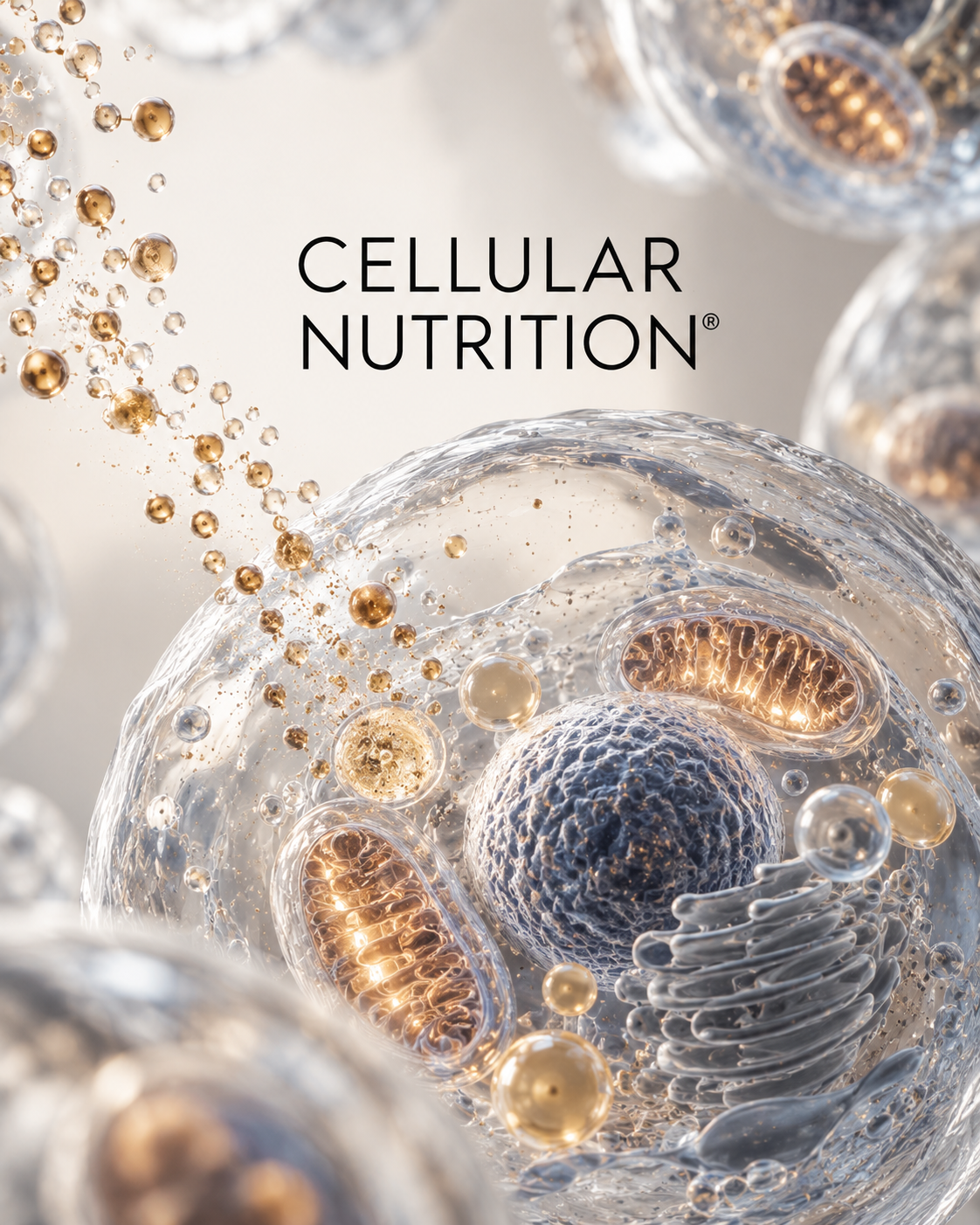
We eat for energy. To build and preserve muscle. To support our skin, brain, immune system, and gut microbiome. To age well. But behind all of these goals lies a much more fundamental biological reality: the human body is made of cells, and those cells must constantly produce energy, build and renew their components, respond to their environment, manage damage, and adapt to nutrient availability.
This is precisely where Cellular Nutrition®, the concept developed by Dr. Valérie ESPINASSE after more than two decades of clinical practice, begins. Its premise is both simple and ambitious: instead of thinking about nutrition only in terms of food or calories, look at what happens next—inside the cell.
Between what we eat and what our body ultimately does with it lies an extraordinarily complex biological world: digestion, absorption, the gut microbiome, metabolites, nutrient transport, enzymes, cofactors, mitochondria, cellular signaling pathways, ATP production, oxidative stress, autophagy, protein synthesis, and metabolic regulation. Nutrition, viewed through this lens, becomes much more than a matter of what is on our plate. It becomes a matter of cell biology.
For decades, nutrition was largely discussed in terms of calories, protein, carbohydrates, fats, vitamins, and minerals. All of these remain essential. But modern research now allows us to go much further. We know that certain nutrients are not merely building blocks or sources of energy: they can also participate in signaling systems that influence cellular behavior.
Cells are able to sense their nutritional and energetic environment. They can adjust anabolic and catabolic processes, protein synthesis, metabolism, and cellular recycling mechanisms in response to the signals they receive [1–3].
This shift in perspective is what makes Cellular Nutrition® so relevant to modern nutrition science: it places the cell at the center of the conversation. The question is no longer simply, “What am I eating?” It also becomes, “What do my cells need to function?” and “How does the nutritional environment interact with cellular metabolism?”
These questions now sit at the heart of some of the most dynamic areas of research in nutrition, metabolism, cellular health, and longevity science.
It may sound metaphorical, but it describes a biological reality. Our cells have nutrient-sensing mechanisms that allow them to adapt their activity to nutritional and energy availability [1].
One of the central players in this system is mTORC1—mechanistic Target of Rapamycin Complex 1. mTORC1 is a major signaling hub in cellular metabolism. This pathway integrates information related to amino acids, energy availability, growth factors, and cellular stress to help regulate fundamental processes including protein synthesis, autophagy, glucose and lipid metabolism, and cell growth [1].
In other words, a cell does not simply receive nutrients passively. It detects specific nutritional signals, integrates that information, and adjusts its activity accordingly.
This is fundamental to understanding the science behind cellular nutrition.
This is one of the most fascinating discoveries in the field.
Research conducted by scientists associated with the Massachusetts Institute of Technology (MIT), Whitehead Institute, and Broad Institute of MIT and Harvard investigated how a cell can determine whether a specific amino acid is available.
Leucine provides a particularly compelling example. This essential amino acid is well known for its role in protein synthesis, but it also participates in metabolic signaling. In a landmark study published in Science, Rachel Wolfson, David Sabatini, and colleagues showed that a protein called Sestrin2 acts as a leucine sensor for the mTORC1 pathway [2].
Leucine can bind to Sestrin2 and thereby participate in a molecular cascade that communicates the availability of this amino acid to mTORC1. A second study resolved the molecular structure at 2.7 Å, showing how leucine physically binds within a pocket in Sestrin2 [3].
That is remarkable. Behind a seemingly simple statement like “cells respond to nutrients” lies an extraordinarily precise molecular system.
A nutrient can become a signal—and that signal can help change how a cell behaves.
This is where the concept of Cellular Nutrition® takes on its full meaning. An amino acid is not necessarily just a building block for protein. A fatty acid is not simply an energy reserve. A vitamin is not merely a line on a nutrition label. Depending on the compound and biological context, nutrients and their derivatives can function as substrates, cofactors, precursors, or metabolic signals.
Nutrition therefore intersects with cellular signaling, cellular metabolism, mitochondrial function, protein synthesis, autophagy, oxidative metabolism, and energy homeostasis.
This is one of the major shifts in modern nutrition science: what we eat should not be considered solely in terms of what a food contains, but also in terms of the biological processes its components may participate in once they are absorbed and metabolized.
That shift is central to Cellular Nutrition®: moving beyond the composition of the plate to understand the physiology behind it.
Every second, thousands of biochemical reactions are taking place throughout the human body: processing glucose, oxidizing fatty acids, synthesizing proteins, producing neurotransmitters, building and repairing DNA, renewing cell membranes, maintaining ion gradients, producing energy, and recycling damaged cellular components.
Together, these reactions make up cellular metabolism. They require substrates, enzymes, and, for many reactions, cofactors. That is why discussing nutrition at the cellular level inevitably means discussing micronutrients, vitamins, minerals, amino acids, lipids, glucose, and metabolites.
The cell is extraordinarily sophisticated. But it cannot function without the molecular materials and biochemical machinery it needs.
The word “micronutrient” can make vitamins and minerals sound secondary. Biologically, they are anything but.
Certain vitamins and minerals participate directly or indirectly in essential enzymatic reactions. They can contribute to energy metabolism, antioxidant defense, the synthesis of biological molecules, and mitochondrial function.
B vitamins offer a particularly useful example. Several serve as precursors to coenzymes that are essential to energy metabolism. Vitamin B3 is linked to the biosynthesis of NAD+. Vitamin B2 is a precursor to FAD and FMN. Vitamin B1 functions as thiamine pyrophosphate in several key metabolic reactions. Magnesium, meanwhile, participates in a vast number of enzymatic processes and interacts with ATP in its biologically active form.
So this is about much more than simply “taking vitamins.”
The more interesting biological question is:
What do these micronutrients actually do inside the cell?
That is exactly the kind of question Cellular Nutrition® brings to the forefront.
It is impossible to talk seriously about cellular health, metabolism, or healthy aging without discussing mitochondria.
They are often described as the “powerhouses of the cell.” The analogy is useful, but incomplete. Mitochondria do participate in ATP production, particularly through oxidative phosphorylation, but they are also involved in numerous metabolic and signaling processes. They communicate with the rest of the cell, adapt, fuse, divide, and can be selectively removed when they become dysfunctional.
The ATP generated through energy metabolism is then used to power an enormous range of biological processes, including muscle contraction, active transport, biosynthesis, cellular signaling, and the maintenance of cellular homeostasis.
In other words, energy is not simply something we feel. Before it becomes a subjective sensation, energy is a biochemical reality unfolding at the cellular level.
Saying “I have no energy” describes a feeling. In biology, energy is much more precise.
Energy-containing nutrients are processed through a succession of metabolic pathways. Glycolysis, the citric acid cycle, beta-oxidation, and the electron transport chain all contribute, depending on the substrate and physiological conditions, to converting chemical energy into forms the cell can use.
At the center of this story is ATP—adenosine triphosphate, one of the cell’s principal energy currencies.
This helps explain why nutrition and cellular energy are intrinsically connected: nutrients provide substrates, while specific micronutrients participate in the reactions required to metabolize them.
But the equation is never “more nutrients = more energy.” Biology depends on balance, availability, requirements, and regulation.
And that distinction is essential to Cellular Nutrition®. It is not about indiscriminate supplementation. It is about understanding nutrition within the context of cellular physiology and metabolic function.
A healthy cell does not spend all of its time building. It also needs to clean up, recycle, and renew.
This is where autophagy comes in. Autophagy encompasses cellular mechanisms that break down and recycle specific components and help maintain cellular homeostasis.
What makes this especially relevant to nutrition is that autophagy is closely connected to nutrient-sensing pathways. When nutrients are abundant, certain pathways favor anabolic processes. When resources become limited or particular stresses arise, cells can increase specific adaptive and recycling mechanisms.
mTOR and AMPK are among the major regulators involved in this balance.
Cellular nutrition, therefore, is not simply about “giving the cell more.” It is also about understanding how the cell senses, uses, balances, and recycles.
That distinction is fundamental.
If mTORC1 is closely linked to nutrient availability and anabolic processes, another pathway plays a central role in energy regulation: AMPK—AMP-activated protein kinase.
AMPK acts as an important sensor of cellular energy status. When available energy falls, AMPK activation helps shift metabolism toward processes that generate energy while restraining certain energy-intensive activities.
This reveals something fascinating about cell biology: cells continuously monitor both their internal state and their environment. Nutrients, energy status, stress, oxygen, and growth factors all provide information that cells can integrate to adjust their behavior.
Cellular metabolism is therefore far less like an engine running continuously at the same speed and far more like an extraordinarily sophisticated adaptive system.
This is where Cellular Nutrition® intersects directly with one of the most important areas of modern longevity research.
In 2023, a major update to the landmark Hallmarks of Aging framework was published in Cell [1]. The authors identified 12 hallmarks of biological aging: genomic instability, telomere attrition, epigenetic alterations, loss of proteostasis, disabled macroautophagy, deregulated nutrient sensing, mitochondrial dysfunction, cellular senescence, stem cell exhaustion, altered intercellular communication, chronic inflammation, and dysbiosis [1].
Look closely at that list in the context of nutrition: deregulated nutrient sensing, mitochondrial dysfunction, disabled macroautophagy, chronic inflammation, and dysbiosis all have direct or indirect relationships with metabolism, nutrition, and the cellular environment.
This does not mean that any nutritional strategy can “stop aging.” That would go far beyond the evidence.
What it does show is something much more fundamental: modern aging science considers nutrient sensing, mitochondrial function, autophagy, inflammation, and the microbiome to be major components of the biology of aging [1].
That profoundly changes the role nutrition can play in the conversation around longevity and healthy aging.
This is one of the most important nuances in Cellular Nutrition®. The fact that specific nutrients are essential to cellular function does not mean that more is always better.
Research into nutrient sensing shows that the balance between nutrient availability, cellular energy status, and metabolic signaling is itself part of cellular regulation [1]. Cells must be able to transition between different metabolic states: building, using, storing, recycling, repairing, and adapting.
Cellular Nutrition® should therefore not be understood as a philosophy of nutritional excess. Its logic is considerably more sophisticated: thinking about targeted nutrients within a broader physiological framework of biological needs, metabolic pathways, and cellular balance.
That distinction matters.
Two people can eat exactly the same meal and still experience different metabolic responses.
This is one of the most compelling findings to emerge from modern precision nutrition research.
The PREDICT 1 study, published in Nature Medicine, examined 1,002 participants, including twins and unrelated adults, and measured their metabolic responses to standardized meals [4]. Researchers observed substantial interindividual variability following identical meals: 103% for triglyceride responses, 68% for glucose responses, and 59% for insulin responses, according to their measure of variability [4].
Even more interestingly, different personal factors contributed differently to the responses observed. The gut microbiome, individual characteristics, meal composition, and lifestyle context all contributed to this variability [4].
The implication is striking:
SAME MEAL. DIFFERENT PEOPLE. POTENTIALLY VERY DIFFERENT METABOLIC RESPONSES.
Nutrition science is not abandoning broad public-health recommendations. But a second level of understanding is becoming increasingly important:
the individual.
Genetics, age, sex, body composition, physical activity, metabolism, gut microbiome, sleep, environment, and dietary habits can all contribute to how we respond to our nutritional environment.
This is the emerging field of precision nutrition.
And it is also what makes the ambition behind Cellular Nutrition® so compelling: moving beyond a purely general view of nutrition toward a more targeted understanding of physiological needs, biological mechanisms, and individual responses.
The question is no longer simply:
“Is this food healthy?”
It also becomes:
“What happens biologically after I eat it?”
This may ultimately be the clearest way to understand Cellular Nutrition®.
We begin with food, followed by digestion, absorption, the gut microbiome, circulating nutrients and metabolites, cells, mitochondria, signaling pathways, cellular metabolism, and ultimately physiological function.
This sequence is vastly more complex than a simple linear pathway because every stage interacts with the others. But it explains why looking at nutrition through the lens of the cell represents such a powerful shift in perspective.
Cellular Nutrition® does not stop at what we eat. It asks what our biology does with it.
And that is where Part 2 begins.
Once nutrients are absorbed, another major player comes fully into view: the gut microbiome. How do gut bacteria transform food into biologically active molecules? What are short-chain fatty acids (SCFAs)? How do the microbiome, inflammation, and cellular metabolism communicate? What roles do NAD+, sirtuins, oxidative stress, and mitochondrial health play? Why is Harvard studying precision nutrition? What can nutrigenomics and metabolomics actually tell us? And how far can personalized nutrition go without moving beyond what the science currently supports?
In Part 1, we followed nutrients all the way to the cell. But one major player is still missing from the story: the gut microbiome.
We now know that our diet does not interact solely with our own cells. It also interacts with the trillions of microorganisms that inhabit our digestive system. These microorganisms can transform certain dietary components into biologically active molecules that can then interact with the gut, the immune system, and host metabolism [5,6].
This has fundamentally changed the way we understand nutrition. Between what we eat and what ultimately reaches or influences our cells, there may be another critical step: what our gut microbiome does with it. This is one reason Cellular Nutrition® approaches nutrition as an interconnected system. Food, digestion, the microbiome, metabolites, micronutrients, and cellular function do not exist in isolation. They communicate.
Consider dietary fiber. We do not possess all the enzymes required to break down certain types of fiber, so some of it reaches the colon, where gut bacteria can ferment it. This fermentation produces short-chain fatty acids, or SCFAs, including acetate, propionate, and butyrate.
Research has shown that these compounds are far more than simple byproducts of fermentation. SCFAs can serve as energy substrates and act as signaling molecules [5,6]. They can interact with specific receptors, participate in the regulation of certain immune and metabolic pathways, and, in some cases, influence enzymes involved in epigenetic regulation [5]. Butyrate is particularly important to the colonic epithelium, where it serves as a major energy source.
The biological chain becomes remarkably clear: dietary fiber → gut microbiome → SCFAs → cellular signaling. In other words, food can influence our biological environment not only through the nutrients it directly provides, but also through the metabolites our gut microbiome produces from it.
This is a fundamental dimension of modern nutrition science—and a powerful illustration of the thinking behind Cellular Nutrition®.
No. And that variability is one of the major challenges—and opportunities—of personalized nutrition.
The composition and function of the gut microbiome can vary significantly from one person to another and can change in response to diet, environment, age, medications, and numerous other factors. Two people eating the exact same food therefore do not necessarily have the same intestinal ecosystem interacting with that food.
This helps explain a finding we discussed in Part 1: the same meal can produce very different metabolic responses in different people [4].
A landmark study published in Cell in 2015 studied 800 people and analyzed glycemic responses associated with 46,898 meals [7]. Researchers found substantial person-to-person variability in blood glucose responses to identical meals. They then developed an algorithm incorporating clinical parameters, lifestyle factors, physical activity, and microbiome characteristics to predict those responses [7].
This does not mean that broad nutrition guidelines are obsolete. It reveals something far more nuanced: our biological response to food also depends on the person eating it.
Precision nutrition seeks to understand why individuals respond differently to food and how that variability could eventually help refine nutritional recommendations.
Researchers from the Department of Nutrition at the Harvard T.H. Chan School of Public Health have examined the growing toolkit available for moving toward more personalized approaches to nutrition [8]. Today, scientists can draw on technologies that would have sounded futuristic only a few decades ago: genomics, epigenomics, transcriptomics, proteomics, metabolomics, and microbiomics [8–10].
These tools allow researchers to investigate different layers of human biology, from DNA and gene expression to proteins, metabolites, and the gut microbiome. Their purpose is not to make broad nutrition principles irrelevant. It is to understand the extraordinary biological diversity that exists beneath those general recommendations.
This is where Cellular Nutrition® feels particularly aligned with the direction of modern nutrition science: it considers the individual not simply as someone who eats, but as a unique biological system that processes, uses, and responds to nutrients.
This is one of the most fascinating areas of modern nutrition science.
Nutrigenetics examines how individual genetic variation may contribute to differences in our response to food. Nutrigenomics, meanwhile, explores interactions between nutrition and the genome, including how dietary components may influence processes related to gene expression and the downstream transcriptomic, proteomic, and metabolic changes that can follow [9].
This certainly does not mean that a particular food can simply “switch on a longevity gene.” Biology is far more complex than that. But it does mean that the historical boundary between nutrition and molecular biology is becoming increasingly fluid.
This is precisely the territory Cellular Nutrition® seeks to explore: nutrition not simply as intake, but as an interaction with the fundamental mechanisms of human biology.
Metabolomics is another major tool in this scientific revolution. It aims to measure large numbers of small molecules—known as metabolites—within biological samples. These can include glucose, amino acids, fatty acids, metabolic intermediates, microbiome-derived compounds, and molecules produced through enzymatic reactions.
Put simply, genetics can tell us something about what our body may be capable of doing. Metabolomics brings us closer to understanding what it is actually doing at a given moment.
That makes it particularly powerful in nutrition research, because eating triggers an extraordinarily dynamic sequence of metabolic changes. Omics technologies are gradually revealing both the complexity of these nutritional responses and the extent to which they can differ between individuals [8–10].
This reinforces one of the central ideas behind Cellular Nutrition®: nutrition does not end on the plate. The plate is only the beginning.
In Part 1, we explored how mitochondria participate in ATP production and numerous other metabolic processes. But mitochondrial function itself depends on an extraordinarily sophisticated biochemical environment.
Certain mitochondrial enzymes require vitamin-derived cofactors, while several minerals are essential to the function of mitochondrial proteins and enzymes [11,12]. Iron and copper, for example, are involved in components of the respiratory chain. Magnesium participates in a vast number of enzymatic reactions. And cofactors derived from B vitamins—including thiamine pyrophosphate, FAD, and NAD+—are essential to multiple aspects of mitochondrial metabolism [11].
This leads to a fundamental point: a calorie alone does not explain metabolism. To transform substrates into usable energy, the cell requires functioning biochemical machinery. And that machinery depends, among other factors, on the adequate availability of numerous micronutrients and cofactors.
This is why cellular energy is a much richer concept than simply “eating for energy”—and why looking at micronutrients within their physiological and cellular context is so important.
Few molecules have generated as much interest in the fields of cellular metabolism, mitochondrial health, and longevity research as NAD+—nicotinamide adenine dinucleotide.
NAD+ is an essential coenzyme involved in redox reactions required for energy metabolism. It also serves as a substrate for several families of enzymes, including sirtuins and PARPs.
NAD+ therefore sits at the intersection of several fundamental areas of biology: cellular energy, mitochondrial function, DNA repair, cellular stress responses, and aging biology.
Research conducted in part at Harvard Medical School has played an important role in investigating the relationship between NAD+, mitochondria, and aging. In 2013, Ana Gomes, David Sinclair, and colleagues reported in Cell, using mouse models, that an age-associated decline in NAD+ could disrupt communication between the nucleus and mitochondria [13].
Research such as this helped bring NAD+ metabolism to the forefront of contemporary aging research.
Sirtuins are a family of NAD+-dependent enzymes involved in a range of processes related to metabolism, cellular stress responses, and cellular regulation. This is one reason the NAD+ → sirtuins → cellular metabolism axis has become such an important area of longevity science [14].
In model organisms, manipulating some of these pathways has produced intriguing findings related to aging and metabolic health. But an important distinction needs to be made: understanding a molecular mechanism is not the same as proving that a dietary supplement will reproduce in humans every effect observed in a cell, yeast, or mouse.
This distinction is especially important with NAD+. The biology is compelling; its clinical translation is considerably more complex.
Maintaining that hierarchy of evidence is essential to a genuinely scientific approach to Cellular Nutrition®.
And that is precisely what makes the concept more compelling.
Aging is multifactorial. As the Hallmarks of Aging framework illustrates, it involves the genome, telomeres, epigenetics, proteostasis, autophagy, nutrient sensing, mitochondria, cellular senescence, stem cells, intercellular communication, inflammation, and the microbiome [1].
No single nutrient controls this entire system. No vitamin “stops” aging. No antioxidant “rejuvenates” every cell. And no supplement turns a complex biological pathway into a simple ON/OFF switch.
The strength of Cellular Nutrition® lies elsewhere: in a systems-based view of nutrition. Rather than searching for a miracle ingredient, it recognizes that human physiology operates through an interconnected network of nutrients, the gut microbiome, metabolites, cellular signaling, mitochondria, energy metabolism, and homeostasis.
That network is dynamic, interconnected, and deeply individual. Cellular Nutrition® puts that complexity at the center of the conversation rather than reducing nutrition to a single nutrient, calorie count, or ingredient.
No—and modern science has substantially changed the way we think about this.
Reactive oxygen species (ROS) can damage proteins, lipids, and DNA when they are produced in excess or when cellular defense systems become insufficient. But ROS also function as signaling molecules.
The goal, biologically speaking, is therefore not to eliminate all oxidative stress. It is to maintain redox homeostasis: the balance between the production of reactive species and the cellular systems responsible for defense, repair, and adaptation.
Several micronutrients participate directly or indirectly in these systems, but once again, more antioxidants do not automatically mean better health. Biology is governed by balance.
This principle appears again and again when nutrition is viewed at the cellular level—and it aligns naturally with an approach focused on supporting physiological mechanisms rather than reducing health to a single ingredient.
Inflammation is another essential part of the picture. Acute inflammation is a vital physiological response involved in immune defense and tissue repair. With aging, however, a state of chronic, low-grade inflammation is frequently observed—a phenomenon often referred to as inflammaging. Chronic inflammation is now included among the Hallmarks of Aging [1].
The gut microbiome may also be involved. Age-related changes in the microbiome have been associated with changes in immunity, intestinal barrier function, and inflammation, although the precise causal relationships in humans are still being investigated [15].
Once again, areas that were once discussed separately begin to converge: gut health, the gut microbiome, immune health, inflammation, cellular health, longevity, and healthy aging.
Biology does not recognize the artificial boundaries we draw between “digestion,” “immunity,” “energy,” and “aging.”
Everything is connected.
We hear a great deal about the gut-brain axis. But more broadly, we might also think in terms of a gut-cell axis.
This is not the name of a formally defined anatomical axis. Rather, it is a useful way to describe a biological reality: compounds derived from our diet and microbial metabolism can influence tissues far beyond the intestine.
SCFAs are one example [5,6], but they are far from the only one. The gut microbiome also participates in the metabolism of bile acids, tryptophan, and many other compounds.
The gut is therefore much more than a tube responsible for absorbing nutrients. It is a metabolic interface between our dietary environment, our microbiome, and our physiology.
For an approach such as Cellular Nutrition®, that interface is fundamental. It reminds us that before nutrition reaches or influences our cells, it interacts with a living ecosystem capable of transforming part of what we eat.
For decades, nutrition messaging has largely been population-based: eat more of this, less of that, avoid this, prioritize that. These recommendations remain essential to public health. But they may represent only the first level of nutrition.
The second is precision nutrition: Why does your blood glucose respond differently from someone else’s? Why is your gut microbiome different? How do age, physical activity, body composition, sleep, genetics, and environment influence your response to food?
The third is the level that inspires Cellular Nutrition®: what does that response mean in terms of the physiological and cellular mechanisms we are trying to support?
It is an ambitious question—and one that resonates strongly with the direction of modern nutrition science.
Researchers from the Department of Nutrition at the Harvard T.H. Chan School of Public Health have reviewed the growing precision nutrition toolkit and its potential role in the broader movement toward personalized medicine [8].
The underlying principle is clear: move beyond an exclusively one-size-fits-all approach by developing a better understanding of individual biological variability.
Genomics, proteomics, metabolomics, microbiome data, clinical information, and digital technologies now allow researchers to study nutrition across multiple layers of biology. We are not yet at a point where a “perfect diet” can be designed from a single blood test or microbiome sample. Precision nutrition remains an evolving field, with important scientific, methodological, and practical limitations [8–10].
But the direction is compelling: from general nutrition to precision nutrition, from food to metabolism, from metabolism to the cell.
Because it asks a question that has become central to modern nutrition research:
What actually happens biologically after we eat?
Answering that question brings together nearly every major field explored throughout this article: nutrient sensing, mTOR, AMPK, autophagy, mitochondrial health, cellular energy, ATP production, micronutrients, NAD+, sirtuins, oxidative stress, the gut microbiome, SCFAs, inflammaging, nutrigenomics, metabolomics, precision nutrition, personalized nutrition, longevity, and healthy aging.
These mechanisms were not discovered to validate Cellular Nutrition®, and none of the universities cited in this article has endorsed or validated the METHODE ESPINASSE approach. But the convergence of these scientific fields gives remarkable depth to the idea at the heart of the concept: to fully understand nutrition, we have to look beyond food itself and examine the biology that processes, transforms, and responds to it.
This is what makes Cellular Nutrition® such a contemporary approach to nutrition. It does not reduce food to calories or micronutrients to an ingredient list. It places them within a much larger framework: human physiology and cellular function.
After more than two decades of clinical practice and work with more than 20,000 patients, Dr. Valérie ESPINASSE developed Cellular Nutrition® around a core belief: nutrition can be approached through the physiological mechanisms we seek to support, rather than solely through lists of foods, nutrients, or calories.
It is an ambitious approach because it requires a fundamental shift in perspective: looking not only at what is on the plate, but at what happens inside the body; talking not only about calories, but also about cofactors, metabolites, and cellular signaling; considering not only food itself, but also the gut microbiome, mitochondria, and the cell.
Cellular Nutrition® offers a distinctly modern way of thinking about nutrition: targeted, physiological, systems-based, and centered on cellular function.
Precision nutrition is still developing. The human gut microbiome remains extraordinarily complex. Nutrigenomics is advancing rapidly but cannot yet predict every individual response to food. Omics technologies generate enormous amounts of biological data whose clinical interpretation remains challenging.
But one thing has fundamentally changed: nutrition can no longer be understood solely as a matter of calories in versus calories out.
We now know that cells sense specific nutrients; that mitochondria transform substrates through biochemical machinery dependent on numerous cofactors; that the gut microbiome converts part of our diet into biologically active metabolites; and that metabolic responses to the exact same meal can vary substantially between individuals.
We also know that deregulated nutrient sensing, mitochondrial dysfunction, disabled macroautophagy, chronic inflammation, and dysbiosis are among the mechanisms currently studied within the biology of aging [1]. And leading scientific institutions, including Harvard and MIT, have contributed important research to our understanding of precision nutrition, nutrient sensing, metabolism, and cell biology.
This is the scientific landscape in which Cellular Nutrition® takes on its full meaning. It invites us to look at nutrition where its biological effects ultimately play out:
inside our cells.
Because before biology becomes visible on the outside, it begins within. And understanding how to nourish the body also means understanding the biological mechanisms of the trillions of cells that make us who we are.
CELLULAR NUTRITION® — NUTRITION. FROM THE CELL UP.
[1] López-Otín C, Blasco MA, Partridge L, Serrano M, Kroemer G. Hallmarks of Aging: An Expanding Universe. Cell. 2023;186(2):243–278.
https://pubmed.ncbi.nlm.nih.gov/36599349/
[2] Wolfson RL, Chantranupong L, Saxton RA, et al. Sestrin2 Is a Leucine Sensor for the mTORC1 Pathway. Science. 2016;351(6268):43–48.
https://pubmed.ncbi.nlm.nih.gov/26449471/
[3] Saxton RA, Knockenhauer KE, Wolfson RL, et al. Structural Basis for Leucine Sensing by the Sestrin2-mTORC1 Pathway. Science. 2016;351(6268):53–58.
https://pubmed.ncbi.nlm.nih.gov/26586190/
[4] Berry SE, Valdes AM, Drew DA, et al. Human Postprandial Responses to Food and Potential for Precision Nutrition. Nature Medicine. 2020;26:964–973.
https://pubmed.ncbi.nlm.nih.gov/32528151/
[5] Kimura I, Ichimura A, Ohue-Kitano R, Igarashi M. Free Fatty Acid Receptors in Health and Disease. Physiological Reviews. 2020;100(1):171–210.
https://pubmed.ncbi.nlm.nih.gov/31487233/
[6] Morrison DJ, Preston T. Formation of Short Chain Fatty Acids by the Gut Microbiota and Their Impact on Human Metabolism. Gut Microbes. 2016;7(3):189–200.
https://pubmed.ncbi.nlm.nih.gov/26963409/
[7] Zeevi D, Korem T, Zmora N, et al. Personalized Nutrition by Prediction of Glycemic Responses. Cell. 2015;163(5):1079–1094.
https://pubmed.ncbi.nlm.nih.gov/26590418/
[8] Sawicki CM, Haslam DE, Bhupathiraju SN. Utilising the Precision Nutrition Toolkit in the Path Towards Precision Medicine. Proceedings of the Nutrition Society. 2023.
https://pubmed.ncbi.nlm.nih.gov/37475596/
[9] Kohlmeier M, De Caterina R, Ferguson LR, et al. Guide and Position of the International Society of Nutrigenetics/Nutrigenomics on Personalized Nutrition: Part 2 — Ethics, Challenges and Endeavors of Precision Nutrition. Journal of Nutrigenetics and Nutrigenomics. 2016;9(1):28–46.
https://pubmed.ncbi.nlm.nih.gov/27286972/
[10] Brennan L, de Roos B. Nutrigenomics: Lessons Learned and Future Perspectives. The American Journal of Clinical Nutrition. 2021.
https://pubmed.ncbi.nlm.nih.gov/33515029/
[11] Palmieri F, et al. Mitochondrial Transport and Metabolism of the Vitamin B-Derived Cofactors Thiamine Pyrophosphate, Coenzyme A, FAD and NAD+, and Related Diseases: A Review. 2022.
https://pubmed.ncbi.nlm.nih.gov/35304818/
[12] Killilea DW, et al. Mineral Requirements for Mitochondrial Function: A Connection to Redox Balance and Cellular Differentiation. Free Radical Biology and Medicine. 2022.
https://pubmed.ncbi.nlm.nih.gov/35218912/
[13] Gomes AP, Price NL, Ling AJY, et al. Declining NAD+ Induces a Pseudohypoxic State Disrupting Nuclear-Mitochondrial Communication During Aging. Cell. 2013;155(7):1624–1638.
https://pubmed.ncbi.nlm.nih.gov/24360282/
[14] Bonkowski MS, Sinclair DA. Slowing Ageing by Design: The Rise of NAD+ and Sirtuin-Activating Compounds. Nature Reviews Molecular Cell Biology. 2016;17(11):679–690.
https://pubmed.ncbi.nlm.nih.gov/27552971/
[15] Conway J, Duggal NA. Ageing of the Gut Microbiome: Potential Influences on Immune Senescence and Inflammageing. Ageing Research Reviews. 2021;68:101323.
https://pubmed.ncbi.nlm.nih.gov/33771720/