DIETARY SUPPLEMENTS
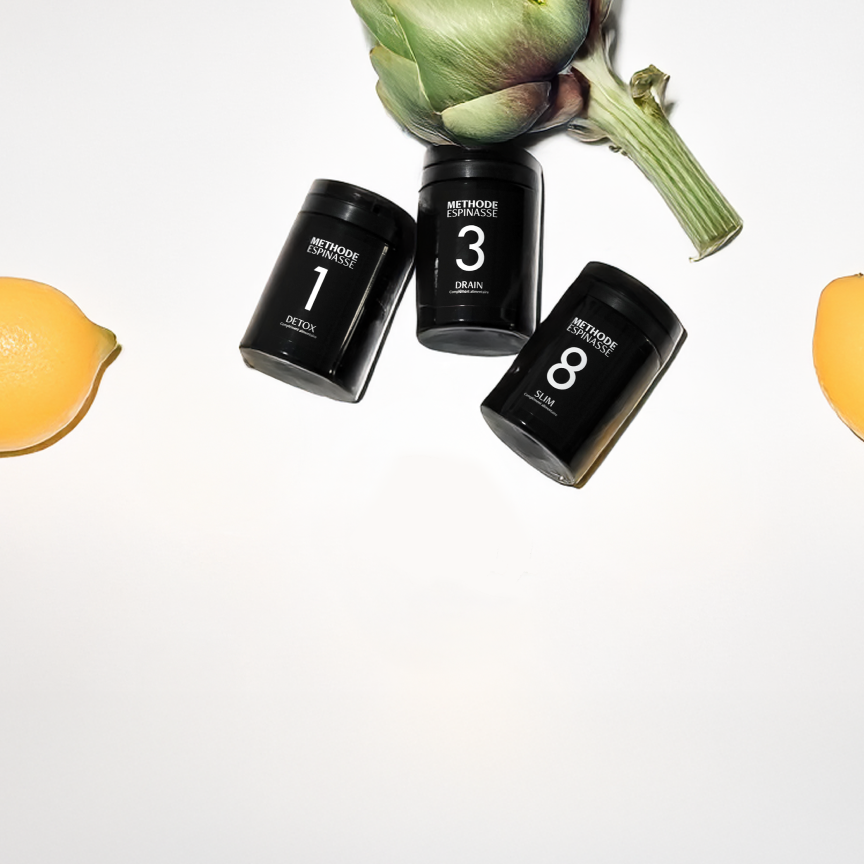
Découvrez 08 - Slim
Your ally for a slimmer figure and healthy weight

Journal

Can you reduce expression lines without injections simply by applying a peptide to your skin?
It is one of the most compelling promises in modern anti-aging skincare.
At the center of that promise is one peptide:
Acetyl Hexapeptide-8.
Better known by its trade name:
Argireline®.
Since its introduction in the early 2000s, Argireline has routinely been described as a “Botox-like peptide,” “topical Botox,” or even “Botox in a bottle.”
The idea sounds almost too good to be true.
Botulinum toxin reduces certain expression lines by acting on neuromuscular transmission. Argireline was designed to interfere with part of the same molecular machinery involved in neurotransmitter release, but as a peptide that can be incorporated into topical skincare [1].
No needles.
No injections.
Just a serum.
And, potentially, fewer wrinkles.
But that comparison hides a fundamental difference.
Botulinum toxin is injected directly into the target tissue.
A cosmetic peptide, by contrast, is placed on the surface of an extraordinarily effective biological barrier:
the skin.
For Argireline to reproduce even part of its proposed mechanism, it is not enough for the peptide to work in an experimental model.
It must penetrate the skin.
It must reach a biologically relevant target.
It must remain intact.
And it must alter neurotransmission strongly enough to produce a measurable effect.
This is where the science becomes particularly interesting.
Because the evidence surrounding Argireline presents us with two apparently contradictory realities.
On one hand, there is a biologically plausible molecular mechanism, experimental evidence and human studies reporting improvements in wrinkles [1,2].
On the other, human skin-penetration experiments suggest that the overwhelming majority of topically applied Acetyl Hexapeptide-8 remains at the surface or within the outermost layers of the epidermis [3].
So does Argireline really work like Botox?
And more importantly:
How could a peptide designed to interfere with neuromuscular communication work if it has difficulty reaching neuromuscular structures?
To answer that question, we first need to understand why wrinkles form when we smile, squint or frown.
Not all wrinkles form in the same way.
Skin aging results from a complex combination of biological processes, including:
collagen degradation,
extracellular matrix fragmentation,
changes in elastic fibers,
oxidative stress,
glycation,
UV exposure,
changes in hydration,
tissue remodeling,
and changes in facial mechanics.
But some wrinkles have another important component:
repetitive muscle movement.
Every time we smile, frown, squint or raise our eyebrows, facial muscles contract.
Those contractions move the overlying skin.
Over time, the same areas are repeatedly folded along relatively consistent lines.
This is particularly relevant to:
crow’s feet;
forehead lines;
glabellar lines between the eyebrows.
Initially, these lines may be predominantly dynamic wrinkles: they appear during facial expression and become much less visible when the face relaxes.
Over time, repeated mechanical stress combines with structural skin aging.
A line that was once visible only during movement can gradually remain visible at rest.
It becomes increasingly static.
This muscular component of facial wrinkles explains why neuromuscular transmission became such an important target in aesthetic medicine.
To understand how Argireline is supposed to work, we need to move down to the molecular level.
A muscle does not simply decide to contract.
It receives a signal from a motor neuron.
At the end of that neuron are small vesicles containing a crucial neurotransmitter:
acetylcholine.
When a nerve impulse reaches the presynaptic nerve terminal, a cascade of events causes these vesicles to fuse with the cell membrane.
Acetylcholine is then released into the synaptic space.
It binds to receptors on the muscle.
The signal is transmitted.
And the muscle contracts.
In simplified terms:
nerve signal → vesicle fusion → acetylcholine release → muscle activation → contraction.
But the fusion of a vesicle with a membrane does not happen spontaneously.
It requires an extraordinarily precise molecular apparatus.
That apparatus is known as:
the SNARE complex.
SNARE stands for:
Soluble N-ethylmaleimide-sensitive factor Attachment Protein Receptor.
The SNARE complex is a critical component of the molecular machinery that allows intracellular vesicles to fuse with their target membranes.
At the nerve terminal, several proteins participate in this process, including:
SNAP-25;
syntaxin;
VAMP/synaptobrevin.
Together, these proteins form a complex that helps bring the synaptic vesicle membrane and the plasma membrane into close proximity.
Think of it as a highly sophisticated molecular docking and fusion system.
The vesicle contains neurotransmitters.
It has to be positioned correctly.
The SNARE proteins assemble.
The membranes are brought together.
Fusion becomes possible.
Acetylcholine is released.
And the nerve signal reaches the muscle.
This is the molecular machinery Argireline was designed to interfere with [1].
Argireline® is the trade name associated with:
Acetyl Hexapeptide-8.
Its sequence is commonly represented as:
Ac-EEMQRR-NH₂.
It is a peptide composed of six amino acids.
Historically, it was also referred to as Acetyl Hexapeptide-3, which explains why both names can still appear in scientific and cosmetic literature.
The peptide was designed from a region of:
SNAP-25 [1].
And this is where Argireline differs fundamentally from peptides such as Matrixyl.
Matrixyl and KTTKS belong to the world of signal peptides associated with extracellular matrix biology.
Argireline belongs to a category commonly described as:
neurotransmitter-inhibiting peptides
or
neurotransmitter-affecting peptides.
The proposed objective is therefore not primarily to signal fibroblasts to produce more extracellular matrix.
It is to modify a mechanism involved in neurotransmitter release.
Because SNAP-25 is part of the SNARE complex.
The original hypothesis was elegant.
If a small peptide mimicking part of SNAP-25 could interfere with the proper assembly of this molecular machinery, it might disrupt SNARE-complex formation and reduce neurotransmitter exocytosis [1].
In simplified terms:
normal SNAP-25 → functional SNARE complex → efficient exocytosis.
With the peptide:
Acetyl Hexapeptide-8 → proposed interference with SNARE machinery → potentially reduced exocytosis.
Less neurotransmitter release could theoretically mean:
less signaling → less contraction → less repetitive skin folding → potentially less visible expression lines.
This mechanism gave rise to the phrase:
“Botox-like peptide.”
But that phrase immediately requires an important qualification.
No.
Botox® is a brand name associated with a preparation of botulinum toxin type A.
Argireline is a:
synthetic hexapeptide.
They are not two versions of the same molecule.
They are not two concentrations of the same active ingredient.
And their mechanisms are not identical.
Both can be discussed in the broad context of neurotransmission.
But they do not act in the same way.
Botulinum toxin type A is an extremely potent neurotoxin.
After being internalized by cholinergic nerve terminals, its light chain acts as a protease.
It cleaves SNAP-25.
In other words, it does not merely interfere slightly with a molecular interaction.
It cuts a protein required for normal SNARE-complex function.
Acetylcholine release is therefore strongly inhibited.
Activity in the targeted muscle decreases.
This is what allows injected botulinum toxin to temporarily reduce the activity of facial muscles responsible for certain expression lines.
Argireline does not do this.
Argireline is not a protease.
It does not cleave SNAP-25 the way botulinum toxin does.
Its proposed mechanism instead involves interfering with the assembly or functional stability of the SNARE complex, potentially reducing the efficiency of exocytosis [1].
This distinction is crucial.
In simplified terms:
botulinum toxin → enzymatic cleavage of SNAP-25
versus:
Argireline → proposed interference with functional SNARE-complex formation.
The two mechanisms do not have the same potency, pharmacology or route of administration.
Calling Argireline “topical Botox” is therefore scientifically inaccurate.
At best, Botox-like describes a very broad functional inspiration:
targeting a mechanism associated with muscle contraction.
It does not mean:
reproducing the pharmacological action of botulinum toxin.
The foundational study was published in 2002 by Blanes-Mira and colleagues in the International Journal of Cosmetic Science [1].
Researchers developed the hexapeptide from the N-terminal region of SNAP-25 and investigated its ability to interfere with mechanisms involved in exocytosis.
In the experimental models used, Argireline inhibited processes associated with neurotransmitter release [1].
The researchers subsequently investigated its anti-wrinkle potential.
This publication is important because it established the two pillars that would later dominate the marketing of Argireline:
a mechanism related to exocytosis
and
a cosmetic effect on wrinkles.
But the study also requires context.
Several authors were affiliated with Lipotec, the company behind Argireline [1].
As with Matrixyl, industry involvement does not invalidate the findings.
But it is relevant when evaluating the strength of the overall evidence and the importance of independent replication.
The foundational experiments support an inhibitory effect on processes associated with exocytosis and neurotransmitter release [1].
That gives the proposed mechanism biological plausibility.
But we immediately need to distinguish between:
an experimental system in which a peptide can directly encounter its biological target
and:
a serum applied to the surface of a human face.
In a laboratory model, researchers can expose biological machinery directly to the peptide.
On the face, Argireline first encounters:
the stratum corneum.
And that changes the problem completely.
This may be the single most important question in the entire Argireline debate.
If the primary anti-wrinkle mechanism depends on altering neuronal exocytosis and neuromuscular communication, the peptide would theoretically need to access biologically relevant structures located far deeper than the skin surface.
A conventional skincare product is applied:
on the epidermis.
Between the product and a nerve terminal associated with a facial muscle lie multiple biological barriers.
The peptide first has to cross the stratum corneum.
Then reach the viable layers of the epidermis.
Then potentially travel deeper into the tissue.
And this is where the comparison with an injection becomes particularly difficult.
An injection of botulinum toxin:
bypasses the skin barrier.
A serum:
has to cross it.
One particularly important study was published by Kraeling and colleagues, researchers affiliated with the U.S. Food and Drug Administration, specifically to evaluate the skin penetration of Acetyl Hexapeptide-8 from a cosmetic formulation [3].
The researchers used:
human cadaver skin
in in vitro diffusion cells.
The formulation contained:
10% Acetyl Hexapeptide-8.
This provided a relatively high concentration from which to investigate the peptide’s ability to penetrate the skin.
After:
24 hours of exposure,
researchers measured the amount of peptide present in different skin compartments using chromatographic analysis coupled with mass spectrometry [3].
The results are striking.
The overwhelming majority of the applied peptide was recovered during surface washing [3].
Of the initial applied dose:
approximately 0.22% was found in the human stratum corneum.
In the epidermis:
approximately 0.01%.
And in the dermis?
No detectable Acetyl Hexapeptide-8 [3].
In the receptor fluid beneath the skin?
No detectable peptide [3].
This is an extremely important result.
Because it directly confronts the proposed mechanism with the problem of delivery.
That is precisely the scientific paradox.
In this experimental human-skin model, a formulation containing 10% Acetyl Hexapeptide-8 did not produce detectable peptide levels in the dermis [3].
This does not prove that no Argireline formulation could ever deliver the peptide more deeply.
Skin penetration can depend on:
the formulation,
the vehicle,
the concentration,
barrier integrity,
contact time,
delivery technology.
But the study establishes something crucial:
We cannot simply assume that topically applied Argireline reaches neuromuscular structures because its proposed mechanism involves those structures.
Delivery has to be demonstrated.
No.
The vehicle can have a major impact on peptide delivery.
Different emulsion systems and delivery technologies can alter:
solubility,
stability,
release,
interaction with the stratum corneum,
retention,
and penetration.
This is an essential principle of peptide skincare:
the name of the peptide alone does not predict the performance of the finished product.
The formulation matters.
A lot.
Two serums both marketed as containing:
“10% Argireline”
could theoretically behave very differently depending on their formulation architecture and the other ingredients surrounding the peptide.
This is where the Argireline story becomes especially interesting.
Despite the penetration problem, human clinical data suggest that topical Argireline can produce measurable improvements in wrinkles.
A randomized, placebo-controlled study published in 2013 evaluated Argireline in:
60 Chinese participants [2].
Participants were randomized at a ratio of:
3:1 — Argireline versus placebo.
The product was applied to:
periorbital wrinkles
twice daily for:
four weeks [2].
Researchers used both:
subjective evaluations,
and
objective measurements based on silicone replicas analyzed with an instrumental wrinkle-assessment system [2].
In the Argireline group, the authors reported an overall anti-wrinkle efficacy rate of:
48.9%.
In the placebo group:
0%, according to the study’s subjective efficacy criterion [2].
Objective skin-roughness parameters also decreased significantly in the Argireline group, while no clear reduction was observed in the placebo group [2].
The study therefore supports a significant anti-wrinkle effect on periorbital lines.
That is clinically relevant.
But it also creates a scientific puzzle.
On one hand:
a clinical effect is observed.
On the other:
the deep penetration required by the proposed neuromuscular mechanism is difficult to demonstrate.
How do we reconcile the two?
No.
And this may be the most important distinction to remember.
A study can demonstrate:
“wrinkles became less pronounced after four weeks.”
That does not automatically demonstrate:
“the peptide reached the nerve terminal, interfered with the SNARE complex, reduced acetylcholine release and weakened facial muscle contraction.”
Demonstrating that entire chain would require direct or indirect measurements at several biological levels.
For example:
the presence of intact peptide at the target site,
a measurable change in neurotransmission,
a measurable reduction in muscle activity,
and a relationship between that reduction and the observed improvement in wrinkles.
Without those data, the clinical outcome and the proposed mechanism must remain separate levels of evidence.
Possibly.
If a skincare product improves wrinkle topography without its key active clearly reaching the anatomical structure required by its proposed mechanism, several explanations are possible.
The formulation itself may improve:
hydration;
stratum corneum flexibility;
surface microtopography;
the optical appearance of fine lines.
Argireline could potentially exert more superficial biological effects that do not precisely correspond to its original proposed neuromuscular mechanism.
Or certain formulations could deliver the peptide differently from the formulation used in the penetration study.
At present, the evidence does not allow any one of these possibilities to be treated as a universal explanation.
We have now reached the scientific heart of the story.
The mechanism: experimentally plausible.
The anti-wrinkle effect: observed in some human studies.
Deep skin penetration: problematic and formulation-dependent.
All three statements can be true at the same time.
And that is precisely why Argireline is such an interesting case study in cosmetic science.
It reminds us of the fundamental difference between:
what a molecule can do when it reaches its target
and
what a topical skincare product actually allows that molecule to do after it is applied to the skin.
At this point, the scientific answer is already becoming clear.
No — if “Botox in a bottle” means that a topical serum reproduces the pharmacological action of injected botulinum toxin.
Botulinum toxin is an enzymatically active neurotoxin injected into target tissue, where it can cleave SNAP-25 and powerfully inhibit acetylcholine release.
Argireline is a topical peptide whose proposed mechanism involves interference with exocytosis machinery and whose ability to penetrate deeply enough to access neuromuscular structures remains a major limitation [1,3].
But that does not mean:
“Argireline does nothing.”
Human anti-wrinkle data do exist [2].
The more scientifically useful question is therefore:
How much of the clinical improvement observed with Argireline can actually be attributed to its proposed “Botox-like” neuromuscular mechanism?
That is the question we will examine next.
Next, we will directly compare:
Argireline vs. botulinum toxin.
Mechanism.
Potency.
Depth of action.
Duration.
Dynamic vs. static wrinkles.
Concentration.
Formulation.
Skin penetration.
And, most importantly:
Do clinical studies actually demonstrate reduced facial muscle contraction?
We will also examine other Botox-like peptides, including Pentapeptide-18 and Acetyl Octapeptide-3; next-generation delivery technologies; whether Argireline can be combined with Matrixyl, GHK-Cu or retinoids; the limitations of current research; and what still needs to be proven.
Ultimately, we will return to the question at the center of the entire debate:
Is Argireline a true topical neuromodulator — or an anti-wrinkle peptide whose marketing has moved faster than the evidence for its proposed mechanism?
The comparison between Argireline® and Botox® has become so common that it can create the impression that the two approaches differ mainly in how they are administered.
On one side:
an injection.
On the other:
a serum.
Biologically, the difference goes much deeper.
Botulinum toxin type A is injected in order to reach the targeted tissue directly. After internalization into cholinergic nerve terminals, its light chain cleaves SNAP-25, a protein essential to the SNARE machinery involved in acetylcholine release.
Argireline, or Acetyl Hexapeptide-8, is a synthetic topical peptide inspired by a region of SNAP-25. Its proposed mechanism involves interfering with functional SNARE-complex formation and, consequently, exocytosis [1].
There is therefore a conceptual connection:
Both approaches relate, directly or indirectly, to molecular machinery involved in neurotransmission.
But conceptual similarity does not mean pharmacological equivalence.
Botulinum toxin:
Argireline:
So saying that Argireline works “exactly like Botox” is scientifically inaccurate.
The term “Botox-like” is better understood as a broad mechanistic analogy, not as evidence of therapeutic equivalence.
This remains one of the most important gaps in the scientific literature.
To directly demonstrate the proposed neuromuscular mechanism in humans, an ideal study would simultaneously establish:
topical Argireline application;
penetration into the relevant tissue;
a measurable change in neuromuscular transmission;
a measurable reduction in muscle activity;
and finally:
a corresponding improvement in expression lines.
That complete chain of evidence has not yet been established in available clinical trials.
The randomized trial involving 60 participants demonstrated an improvement in periorbital wrinkles after four weeks [2].
It did not directly demonstrate that the orbicularis oculi muscle contracted less strongly because Argireline had reached its neuromuscular junctions.
This distinction is critical:
wrinkle reduction ≠ demonstrated neuromodulation.
Because it tests one of the essential links in the proposed mechanism.
In the study by Kraeling and colleagues, an emulsion containing 10% Acetyl Hexapeptide-8 was applied to human cadaver skin for 24 hours [3].
After exposure, most of the peptide was recovered during surface washing.
Of the initial applied dose:
approximately 0.22% was found in the stratum corneum;
approximately 0.01% was found in the epidermis;
no detectable amount was found in the dermis;
no detectable amount was found in the receptor fluid beneath the skin [3].
This experiment does not prove that Argireline cannot produce a cosmetic effect.
It demonstrates something more specific:
In this formulation and experimental model, the peptide did not show the deep penetration one might intuitively expect from an active whose proposed mechanism involves neuromuscular structures.
That may be the single most important nuance in the entire Argireline story.
There are several possible explanations.
First, not all formulations deliver peptides in the same way.
Second, extremely small amounts could theoretically be sufficient to produce certain biological effects — although that would still need to be demonstrated for the relevant target.
Third, Argireline may exert additional effects in the skin that contribute to wrinkle improvement without reproducing the deep neuromuscular mechanism originally proposed.
Fourth, the cosmetic vehicle itself can improve hydration and surface microtopography.
Finally, the available clinical studies remain relatively small and short.
These explanations are not mutually exclusive.
But current evidence does not allow us to say:
“We know precisely why topical Argireline improves wrinkles in human skin.”
The randomized, placebo-controlled study by Wang and colleagues included 60 Chinese participants, randomized at a 3:1 ratio between Argireline and placebo [2].
The product was applied:
twice daily
for:
four weeks
to:
periorbital wrinkles [2].
Researchers used subjective assessments as well as objective measurements based on silicone replicas and instrumental analysis of wrinkle topography.
In the Argireline group, the authors reported an overall anti-wrinkle efficacy rate of:
48.9%.
In the placebo group:
0%, according to the subjective efficacy criterion used in the study [2].
Objective roughness parameters also decreased significantly in the Argireline group [2].
The scientifically appropriate conclusion is therefore:
In this trial, Argireline improved periorbital wrinkles compared with placebo.
It would not be appropriate to conclude:
“Argireline provides 48.9% of the effect of Botox.”
The 48.9% figure has nothing to do with a head-to-head comparison with botulinum toxin.
In theory, an active designed to influence muscle contraction would be especially relevant to dynamic expression lines, including:
crow’s feet when smiling,
forehead lines when raising the eyebrows,
glabellar lines when frowning.
But facial wrinkles are rarely purely muscular.
Over time, dynamic wrinkles can become increasingly visible at rest because of structural changes including:
collagen fragmentation,
changes in elastic fibers,
photoaging,
loss of hydration,
subcutaneous tissue changes,
bone remodeling,
repeated mechanical stress.
This is why a comprehensive approach to skin aging may need to target both:
the dynamic component
and
the structural component
of a wrinkle.
This is biologically plausible but not adequately demonstrated.
If a peptide could genuinely and consistently reduce repetitive facial contractions, it would be reasonable to hypothesize that it might reduce some of the mechanical stress associated with expression lines.
But we currently lack sufficiently long-term human studies demonstrating that regular Argireline use prevents new wrinkles from developing.
Improving the appearance of an existing wrinkle over several weeks and preventing wrinkle formation over several years are entirely different scientific claims.
In the randomized clinical trial, results were assessed after:
four weeks [2].
That gives us an experimental reference point.
It does not mean every Argireline serum will produce visible results within four weeks.
Outcome can depend on:
peptide concentration,
formulation,
delivery system,
application area,
baseline wrinkle depth,
skin characteristics.
Not necessarily.
As with Matrixyl, it is important to distinguish between:
the percentage of a branded commercial ingredient
and:
the actual concentration of pure peptide.
Even when the exact concentration of Acetyl Hexapeptide-8 is known, increasing the amount applied to the skin does not guarantee proportionally greater delivery to the biological target.
The penetration study illustrates this perfectly.
A formulation containing 10% Acetyl Hexapeptide-8 produced no detectable peptide in the human dermis under the experimental conditions used [3].
The critical question is therefore not simply:
How much Argireline is in the bottle?
It is:
How much intact peptide reaches the right biological target?
Potentially, yes.
Acetyl Hexapeptide-8 is hydrophilic, while the lipid organization of the stratum corneum creates a formidable barrier to many molecules.
The formulation can influence:
solubility,
stability,
release,
interaction with the stratum corneum,
retention,
penetration.
This means that two products containing the same nominal concentration of Argireline are not necessarily biologically equivalent.
In peptide skincare:
the formulation is part of the technology.
This is likely to be one of the most important areas of future research.
Potential peptide-delivery strategies include:
multiple emulsions,
liposomes,
nanocarriers,
chemical modification,
patches,
microneedles.
A clinical study involving hyaluronic acid microneedle patches containing several bioactive ingredients, including Acetyl Octapeptide-3, reported improvements in several skin parameters after 12 weeks, including measurable wrinkle reduction [5].
But this was not a study of isolated Argireline.
And the device delivered multiple active ingredients.
The study therefore supports the potential of an advanced multi-active delivery system, rather than proving the isolated efficacy of a specific Botox-like peptide.
The logic seems straightforward:
If penetration is the problem, why not bypass the barrier?
But doing so immediately changes the safety equation.
A cosmetic serum formulated for intact skin is not automatically designed to be introduced through microchannels.
Questions then arise around:
sterility,
purity,
preservatives,
excipients,
dose,
delivery depth,
tolerability,
toxicology.
Microneedling should therefore not be viewed as an improvised way to turn any peptide serum into an intradermal treatment.
Yes.
Argireline is the best known, but it is not the only cosmetic peptide developed around the idea of influencing mechanisms associated with neurotransmission or muscle contraction.
Commonly cited examples include:
Pentapeptide-18 — Leuphasyl®;
Acetyl Octapeptide-3 — SNAP-8.
Their proposed mechanisms differ.
And critically:
their evidence should not be treated as interchangeable with Argireline evidence.
As with Matrixyl, belonging to the same marketing category does not create a shared body of clinical proof.
Pentapeptide-18 is a synthetic peptide positioned as a neuromodulatory peptide designed to influence mechanisms associated with neurotransmitter release.
Recent research continues to explore its molecular behavior using techniques including computational modeling and spectroscopic analysis [6].
But translating this type of research into clinical claims requires caution.
Molecular docking ≠ demonstrated wrinkle reduction in humans.
A predicted molecular interaction is a research step.
It does not replace evidence of skin penetration or a randomized clinical trial.
Acetyl Octapeptide-3 is another peptide developed around the SNAP-25/exocytosis concept.
It is often described as an extension of the Argireline approach.
But again, commercial claims are more abundant than independent clinical trials isolating its specific effect.
Some formulations and delivery systems containing Acetyl Octapeptide-3 have produced measurable skin improvements [5].
However, when a patch contains several peptides, adenosine and other bioactive compounds, the total clinical result cannot scientifically be attributed to SNAP-8 alone.
Current evidence does not support a robust scientific ranking of:
Acetyl Hexapeptide-8,
Pentapeptide-18,
Acetyl Octapeptide-3
or other peptides marketed around similar concepts.
To make that comparison properly, we would need head-to-head trials using:
the same vehicle,
the same anatomical area,
biologically relevant concentrations,
the same treatment duration,
the same instrumental measurements,
the same study population.
Those trials are largely absent.
A serum containing the longest list of “Botox-like peptides” is therefore not automatically the serum with the strongest evidence.
Conceptually, yes, because they are associated with different proposed mechanisms.
Argireline: proposed activity involving exocytosis and neurotransmission.
Matrixyl / Pal-KTTKS: a signal peptide inspired by a matrikine and studied in relation to extracellular matrix biology.
This creates an attractive theoretical strategy:
dynamic component of the wrinkle + structural component of the wrinkle.
But to demonstrate true clinical synergy, researchers would need to compare:
Argireline alone,
Matrixyl alone,
the combination,
and vehicle.
Without that evidence, the combination is biologically interesting but synergy remains hypothetical.
There is no universal biological rule preventing Argireline and a copper peptide such as GHK-Cu from being part of the same broader skincare strategy.
Their proposed mechanisms differ.
But again:
combination ≠ demonstrated synergy.
Peptide stability, metal interactions, pH and the complete formulation also matter.
There is no universal scientific rule requiring Acetyl Hexapeptide-8 and retinoids to be used separately.
The two approaches are biologically very different.
Retinoids, however, have a much larger body of clinical evidence for photoaged skin.
Argireline should therefore not be presented as a proven substitute for retinol.
It is better understood as an active belonging to a different skincare strategy.
Current evidence does not support the conclusion that Argireline is more effective than retinol or prescription retinoids for wrinkles.
Retinoids — particularly tretinoin — have decades of clinical and histological research supporting their effects on photoaging.
The clinical literature on Argireline is much smaller.
Recent critical reviews of skin-aging interventions have also emphasized broader limitations affecting many cosmetic actives, including absorption, stability, mechanistic validation and methodological weaknesses in clinical research, while retinoids remain among the best-documented topical approaches [7].
Current evidence does not support considering topical Argireline a demonstrated replacement for injected botulinum toxin.
This distinction matters.
It does not mean Argireline has no cosmetic activity.
It means the two interventions do not share:
the same mechanism,
the same delivery,
the same potency,
the same evidence base,
or the same clinical role.
The phrase:
“Botox in a bottle”
is therefore a marketing metaphor.
Not a pharmacological definition.
Because it transforms an extremely complex biological mechanism into an instantly understandable promise:
less contraction = fewer wrinkles.
But that simplification erases three fundamental questions:
dose;
penetration;
target.
A molecule can have a fascinating mechanism in a test tube.
If it does not reach its biological target in sufficient concentration in living tissue, that mechanism cannot automatically be used to explain the clinical result.
That is a fundamental principle of pharmacology.
And it applies to skincare too.
A 2025 review specifically examining Acetyl Hexapeptide-8 in cosmeceuticals highlights precisely this tension [8].
Argireline has genuine cosmetic interest and efficacy data, but its physicochemical properties — particularly its hydrophilic nature — limit efficient passage through the stratum corneum.
The ability of topically applied Argireline to reach neuromuscular junctions therefore remains uncertain [8].
A broader 2025 review identified more than 100 commercially available cosmetic peptides, with proposed effects ranging from extracellular matrix stimulation to neurotransmitter modulation [9].
But much of the available evidence remains based on:
in vitro
or
ex vivo
models [9].
That contrast matters.
The commercial peptide market has expanded much faster than the highest-quality clinical evidence.
A 2026 systematic review and meta-analysis included 19 randomized controlled trials involving 1,341 participants investigating oral and topical peptides for skin aging [10].
The analysis reported improvements in certain skin parameters, including a modest pooled effect on wrinkles.
But most participants received oral peptides, particularly collagen peptides [10].
The findings therefore cannot be interpreted as proof that all topical peptide categories have the same level of clinical evidence.
The word:
“peptide”
describes a type of molecule.
It does not describe a universal clinical effect.
We can reasonably conclude that:
We still need robust studies to determine:
Current evidence does not establish that:
Probably neither extreme tells the whole story.
Argireline is not an imaginary molecule built around a marketing narrative with no biological foundation.
Its development was rational.
It was designed from SNAP-25.
Its effects on mechanisms associated with exocytosis have been studied experimentally [1].
And controlled human data suggest that topical application can improve certain measures of periorbital wrinkles [2].
But the phrase:
“Botox in a bottle”
goes much further than the evidence allows.
The main obstacle is almost physical before it is biological:
skin is a barrier.
A peptide can be exquisitely designed to interact with a molecular system.
But to do so in living tissue, it first has to reach that system.
And in a rigorous human-skin penetration study, topically applied Acetyl Hexapeptide-8 was not detectable in the dermis [3].
That apparent contradiction is exactly what makes Argireline scientifically fascinating.
Argireline perfectly captures the promise — and the challenge — of modern peptide skincare.
We are no longer simply trying to:
hydrate,
exfoliate,
protect,
or coat the surface of the skin.
We are trying to design molecules capable of interacting with highly specific biological mechanisms.
In the case of Argireline, the theoretical target sits at the heart of one of the fundamental mechanisms of cellular communication:
exocytosis.
The molecular logic is elegant.
A peptide inspired by SNAP-25.
Interference with SNARE-complex formation.
Potentially reduced neurotransmitter release.
Theoretically reduced contraction.
And therefore:
fewer expression lines.
But biology never ends with a mechanism.
It immediately asks a second question:
Can the molecule actually reach its target?
This is where Argireline encounters its greatest challenge.
In human-skin penetration models, the peptide remains predominantly within superficial layers [3].
And yet some human clinical studies report wrinkle improvement [2].
So the science is considerably more interesting than a simple:
“it works”
or
“it doesn’t work.”
There is evidence for a cosmetic effect.
There is experimental plausibility for the proposed mechanism.
But the complete link between the two remains insufficiently demonstrated in humans.
And that is exactly how modern cosmetic science should be approached:
Do not confuse a mechanistic hypothesis with clinical proof.
And do not confuse clinical proof of an effect with definitive proof of the mechanism behind that effect.
So is Argireline really:
“Botox in a bottle”?
No.
But the scientific question it raises may ultimately be even more interesting:
Could we one day design a topical neuromodulator capable of crossing the skin precisely, reaching its biological target and locally modulating expression lines without an injection?
If future delivery technologies solve that problem, the next generation of Botox-like peptides could look radically different from what we know today.
The real future of these peptides may therefore depend not only on discovering the next amino-acid sequence.
It may depend on solving a much harder problem:
How do we deliver the right peptide, intact, to the right depth, at the right concentration and to the right biological target?
Argireline® is the trade name associated with Acetyl Hexapeptide-8, a synthetic peptide inspired by a region of SNAP-25 and developed to influence mechanisms associated with exocytosis and neurotransmitter release [1].
Historical Argireline literature sometimes refers to the peptide as Acetyl Hexapeptide-3. Current cosmetic nomenclature primarily uses Acetyl Hexapeptide-8.
No. Argireline is a synthetic topical peptide. Botox is a brand associated with an injectable botulinum toxin type A product. Their molecular structures, potency, delivery and mechanisms are not equivalent.
Its proposed mechanism involves interference with SNARE-related machinery involved in exocytosis and neurotransmitter release [1]. Whether this mechanism directly explains the anti-wrinkle effect of topically applied Argireline in humans remains incompletely demonstrated.
A randomized, placebo-controlled study involving 60 participants reported a significant improvement in periorbital wrinkles after four weeks of twice-daily application [2].
Periorbital wrinkles were specifically evaluated in the randomized clinical study by Wang and colleagues, which reported improvement compared with placebo [2].
The key randomized clinical trial evaluated results after four weeks [2]. This does not establish four weeks as a universal timeframe for every Argireline product or formulation.
In an in vitro study using human cadaver skin, approximately 0.22% of the applied dose was found in the stratum corneum and approximately 0.01% in the epidermis. No detectable Acetyl Hexapeptide-8 was found in the dermis [3].
Current evidence does not convincingly demonstrate that conventionally applied topical Argireline reaches the neuromuscular junctions of facial muscles at concentrations sufficient to reproduce the action of botulinum toxin.
There is currently no evidence establishing topical Argireline as clinically equivalent to injected botulinum toxin.
Current evidence does not support Argireline as a demonstrated replacement for injectable botulinum toxin.
Botulinum toxin type A is injected into targeted tissue and enzymatically cleaves SNAP-25, strongly inhibiting acetylcholine release. Argireline is a topical hexapeptide proposed to interfere with SNARE-related exocytosis but faces a major skin-delivery challenge.
Current evidence does not establish Argireline as superior to retinol or prescription retinoids. Retinoids have a substantially larger clinical and histological evidence base for photoaging.
There is no universal scientific rule requiring the two ingredients to be separated. Compatibility and tolerability depend on the complete formulations and skincare routine.
Yes, they can theoretically be incorporated into the same skincare strategy because their proposed mechanisms differ. However, clinical synergy between the two has not been firmly demonstrated.
There is no universal biological prohibition against combining Argireline with copper peptides such as GHK-Cu. Formulation stability and compatibility remain important considerations.
“Botox-like peptide” is a cosmetic term used for certain peptides whose proposed mechanisms involve processes associated with neurotransmission or muscle contraction. It does not mean that these peptides have the same pharmacological mechanism or clinical efficacy as botulinum toxin.
Frequently cited examples include Acetyl Hexapeptide-8 (Argireline®), Pentapeptide-18 (Leuphasyl®) and Acetyl Octapeptide-3 (SNAP-8). Their evidence bases differ and they should not be treated as interchangeable.
Not necessarily. Skin penetration and efficacy depend on formulation and delivery as well as concentration. A higher amount at the skin surface does not guarantee greater delivery to deeper biological targets.
After exploring signal peptides, Matrixyl®, GHK-Cu and Botox-like peptides, our investigation of cellular communication can move into an even newer and rapidly expanding field:
EXOSOMES & GROWTH FACTORS: THE NEW FRONTIER OF SKIN REGENERATION?
Extracellular vesicles.
Cell-to-cell communication.
Growth factors.
Fibroblasts.
Collagen.
Wound healing.
Microneedling.
Regenerative medicine.
And next-generation skincare.
It is one of the fastest-growing areas in aesthetics.
It is also an area where understanding the boundary between:
fundamental science, regenerative medicine and cosmetic marketing
has never been more important.
A Doctor of Pharmacy and expert in Predictive & Preventive Medicine, Dr. ESPINASSE has spent more than 20 years developing an integrative approach connecting nutrition, metabolism, the microbiome, cellular function, aging and longevity.
Her clinical experience with more than 20,000 patients, informed by more than 15,000 in-depth assessments, led her to develop Cellular Nutrition®: an approach that considers nutrients and bioactive compounds through the physiological and cellular mechanisms they are intended to support.
Through METHODE ESPINASSE, Dr. ESPINASSE translates more than two decades of clinical experience into targeted nutritional protocols designed around health, beauty, longevity and healthy aging from within.
[1] Blanes-Mira C, Clemente J, Jodas G, et al. A synthetic hexapeptide (Argireline) with antiwrinkle activity. International Journal of Cosmetic Science. 2002;24(5):303–310. DOI: 10.1046/j.1467-2494.2002.00153.x. PMID: 18498523.
URL: https://pubmed.ncbi.nlm.nih.gov/18498523/
[2] Wang Y, Wang M, Xiao S, Pan P, Li P, Huo J. The anti-wrinkle efficacy of argireline, a synthetic hexapeptide, in Chinese subjects: a randomized, placebo-controlled study. American Journal of Clinical Dermatology. 2013;14(2):147–153. DOI: 10.1007/s40257-013-0009-9. PMID: 23417317.
URL: https://pubmed.ncbi.nlm.nih.gov/23417317/
[3] Kraeling MEK, Zhou W, Wang P, Ogunsola OA. In vitro skin penetration of acetyl hexapeptide-8 from a cosmetic formulation. Cutaneous and Ocular Toxicology. 2015;34(1):46–52. DOI: 10.3109/15569527.2014.894521. PMID: 24754410.
URL: https://pubmed.ncbi.nlm.nih.gov/24754410/
[4] Influence of formulation and emulsion architecture on the cutaneous delivery of Acetyl Hexapeptide-8.
URL: https://pubmed.ncbi.nlm.nih.gov/?term=%22Acetyl+Hexapeptide-8%22+emulsion+skin+penetration
[5] Clinical evaluation of bioactive ingredients delivered using hyaluronic acid microneedle patches. PMID: 31134751.
URL: https://pubmed.ncbi.nlm.nih.gov/31134751/
[6] Pentapeptide-18 as an anti-aging candidate: spectroscopic characterization and molecular interaction analysis. 2026. PMID: 41722287.
URL: https://pubmed.ncbi.nlm.nih.gov/41722287/
[7] Gürtler AL, Sirois JP, Heckenbach IJ, et al. Topical and systemic skin aging interventions: Evidence, pitfalls and perspectives. Biochemical Pharmacology. 2026;249:117898. DOI: 10.1016/j.bcp.2026.117898. PMID: 41846007.
URL: https://pubmed.ncbi.nlm.nih.gov/41846007/
[8] Acetyl Hexapeptide-8 in Cosmeceuticals — A Review of Skin Permeability and Efficacy. 2025. PMID: 40565185.
URL: https://pubmed.ncbi.nlm.nih.gov/40565185/
[9] Bioactive peptides in cosmetic formulations: Review of current in vitro and ex vivo evidence. Peptides. 2025. DOI: 10.1016/j.peptides.2025.171440. PMID: 40946970.
URL: https://pubmed.ncbi.nlm.nih.gov/40946970/
[10] Nukaly HY, Halawani IR, Irtaza HM, et al. Oral and topical peptides for skin aging: systematic review and meta-analysis of randomized controlled trials. Frontiers in Medicine. 2026;13:1618306. PMID: 41924746.
URL: https://pubmed.ncbi.nlm.nih.gov/41924746/
[11] Gorouhi F, Maibach HI. Role of topical peptides in preventing or treating aged skin. International Journal of Cosmetic Science.
URL: https://pubmed.ncbi.nlm.nih.gov/?term=%22Role+of+topical+peptides+in+preventing+or+treating+aged+skin%22
[12] Lupo MP, Cole AL. Cosmeceutical peptides. Dermatologic Therapy. 2007;20(5):343–349. PMID: 18045359.
URL: https://pubmed.ncbi.nlm.nih.gov/18045359/
[13] Kluczyk A, Ludwiczak J, Modzel M, et al. Argireline: Needle-Free Botox as Analytical Challenge. Chemistry & Biodiversity. 2021. DOI: 10.1002/cbdv.202000992. PMID: 33482052.
URL: https://pubmed.ncbi.nlm.nih.gov/33482052/